

Endocrinologist Meaning in Urdu: ماہرِ ہارمون کیا ہوتا ہے؟
In Urdu most people understand that better when I say ہارمونز کے ڈاکٹر or in Roman Urdu "hormones ka doctor" and I also say "شوگر اور تھائرائیڈ کے ڈاکٹر"…
Pituitary tumor treatment in Lahore covers the hormone side of pituitary adenomas, from blood tests and medicines to long-term follow-up, at Diabesity Solutions with consultant endocrinologist Dr. Rizwan Niazi. This endocrine care also takes in growth hormone excess, known as acromegaly, and the growth hormone deficiency behind some short stature. Its surgical cases go to a neurosurgeon by referral, and the hormone care continues here before and after the operation.
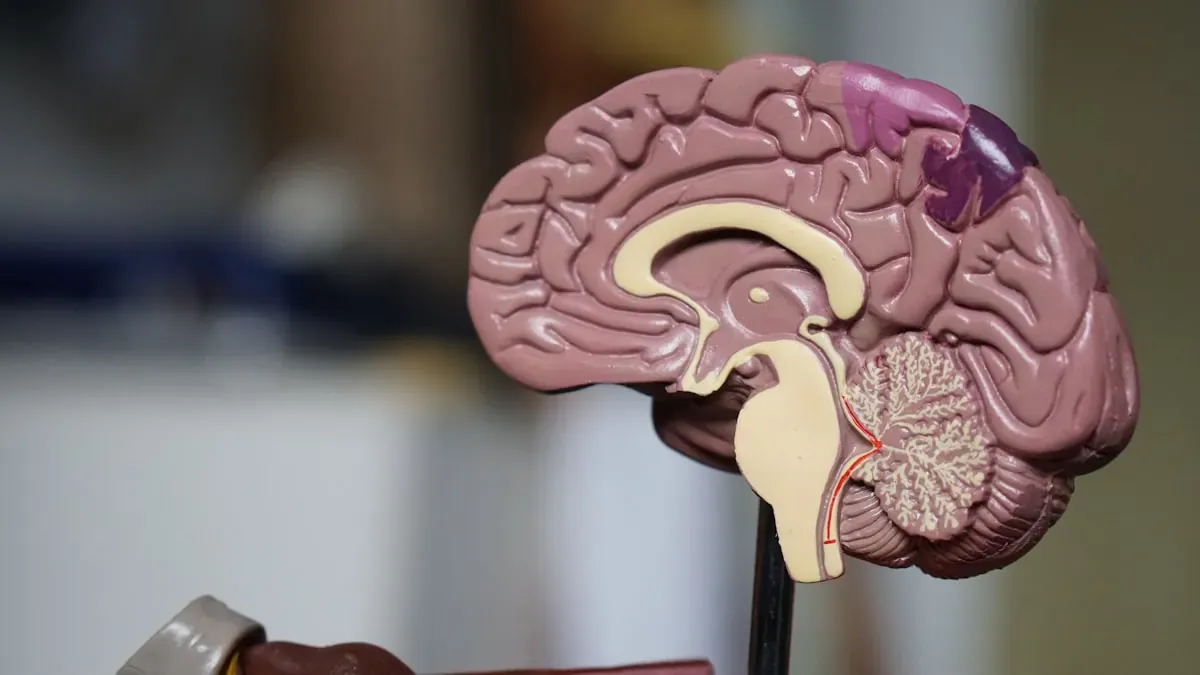
پٹیوٹری غدود دماغ میں ایک چھوٹا سا غدود ہے جو تمام ہارمونز کو کنٹرول کرتا ہے۔ اس کی خرابی سے نشوونما، وزن، تھائیرائیڈ، اور جنسی ہارمونز متاثر ہوتے ہیں۔ ڈاکٹر رضوان نیازی خون کے ٹیسٹ اور ضرورت پر ایم آر آئی سے تشخیص کرتے ہیں۔
Yes. Most pituitary tumors are small benign adenomas that do not spread, and prolactin-making ones are almost always treated successfully with medicine.
Pituitary disorders happen when the gland makes too much or too little of one or more hormones, and an adenoma is the most common reason. Other hormone-making adenomas, including tumors that release growth hormone, may need surgery or radiosurgery, and that is decided case by case. An adenoma causes trouble in one of two ways: it makes too much of a hormone, or it presses on the structures around it.
Changes in the hands, feet or face in adults, poor growth in children, headaches with loss of side vision, lasting tiredness, or several hormones out of balance at once point to the pituitary.
Because one gland drives several others, a single fault can look like separate problems in different parts of the body. A low testosterone result with low LH and FSH, for example, can be the first clue, which is why low testosterone is often checked against the pituitary.
These symptoms are easy to put down to other causes. A structured hormone panel read by an endocrinologist is the reliable way to find a pituitary condition.
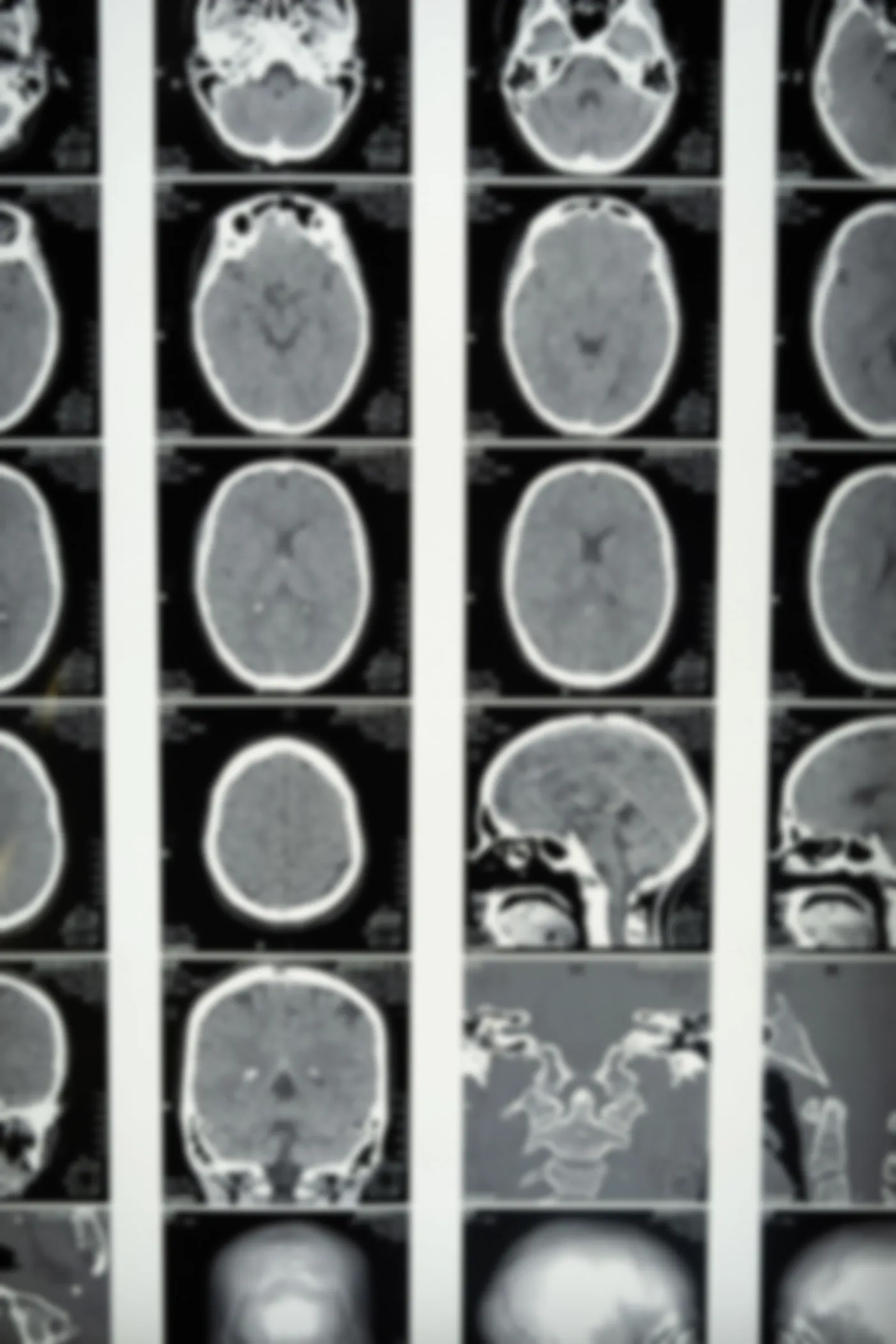
Dr. Rizwan Niazi coordinates the full diagnostic work-up: the pituitary hormone panel, the stimulation or suppression tests he arranges and interprets, and a contrast MRI where a tumor is suspected.
The panel measures GH, IGF-1, prolactin, LH, FSH, cortisol, ACTH, TSH and free T4, which covers each hormone the gland controls. Stimulation tests confirm a growth hormone deficiency, and suppression tests confirm an excess. The MRI uses gadolinium contrast to show the size and position of any lesion.
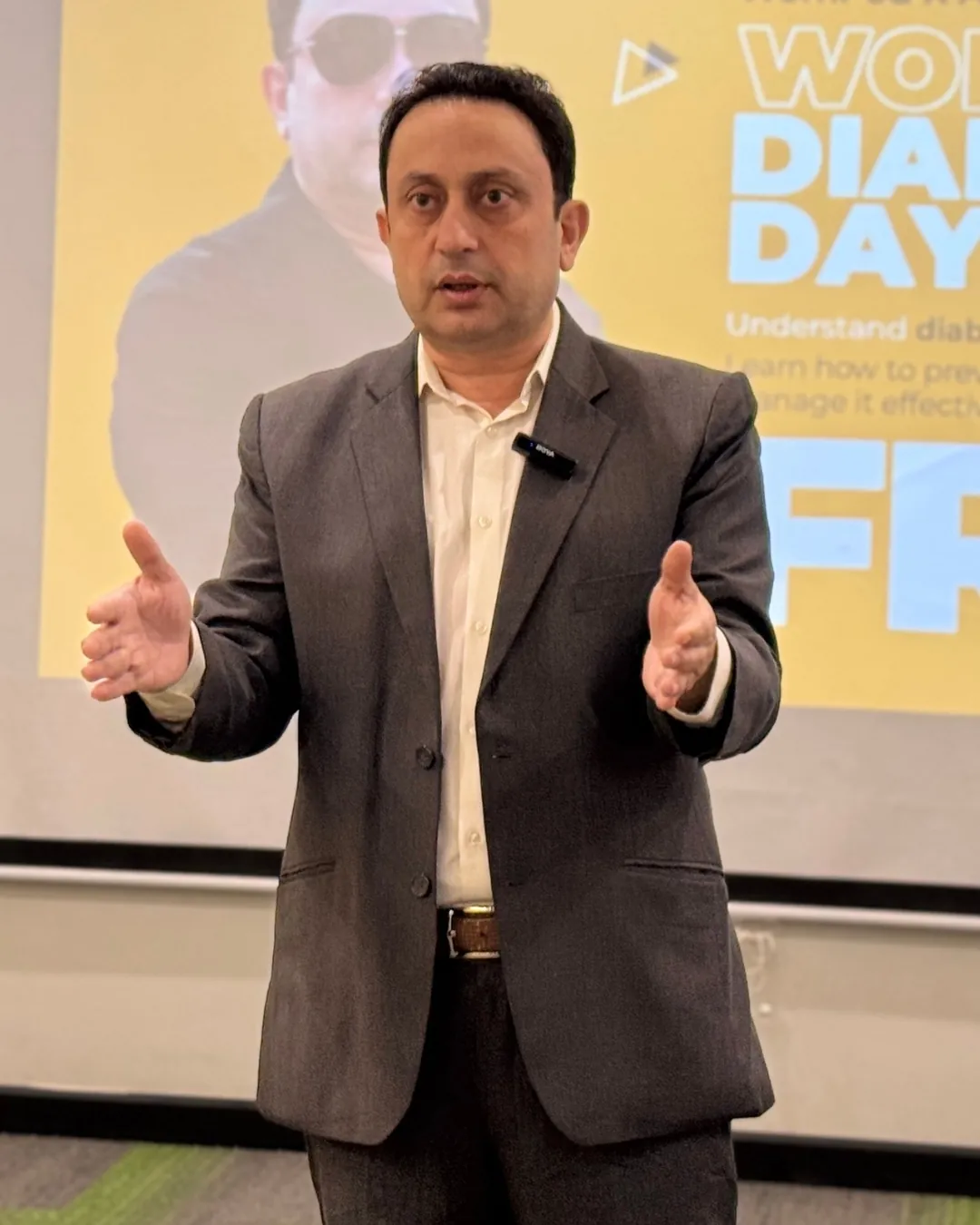
Most pituitary adenomas grow slowly and do not need emergency treatment, but a tumor causing loss of side vision or a severe hormone excess needs prompt assessment and an urgent referral.
Dr. Rizwan Niazi gives those referrals priority. Patients outside Lahore can ask for an online consultation when they book.
Acromegaly, short stature with growth hormone deficiency in children and adults, and prolactinoma have their own pages.
Too much growth hormone from a benign adenoma, which slowly enlarges the hands, feet and face.
Learn morePoor growth in children, and adult growth hormone deficiency with fatigue, less muscle and weaker bones, confirmed by a stimulation test.
Learn moreA prolactin-making adenoma behind high prolactin, with its tests and treatment set out on that page.
Learn moreIn Urdu most people understand that better when I say ہارمونز کے ڈاکٹر or in Roman Urdu "hormones ka doctor" and I also say "شوگر اور تھائرائیڈ کے ڈاکٹر"…
I have been taking services from Dr. Rizwan Niazi for the past four months, and I am truly very satisfied. I was struggling with obesity, but Dr. Rizwan guided me properly and helped me a lot throughout my weight loss journey. His support, guidance, and professionalism made a big difference for me.
I genuinely recommend that if anyone is struggling with obesity or wants to lose weight in a healthy way, they should definitely consult Dr. Rizwan Niazi. This review is completely heartfelt and based on my personal experience.
Best doctor! I really loved meeting her. It’s been 3 months, and the weight issue that was my biggest concern has been resolved. Along with that, all my other problems have improved as well. I have lost 12 kg, very comfortably and without feeling stressed. She listens to everything very patiently and carefully, and makes you feel completely satisfied and reassured. I’m genuinely very happy with my experience.
Dr. Rizwan’s treatment for diabetes is excellent. Under his care, my weight dropped from 129kg to 92.4kg in just a few months. He is the best doctor in town and very friendly. I highly recommend him!
I visited Dr. Rizwan Niazi for weight loss and honestly had a very good experience. He explained everything clearly and guided me step by step. The results have been great so far. In my opinion, he is one of the best weight loss doctors in Pakistan.
I consulted Dr. Rizwan for thyroid issues after struggling for a long time. He identified the problem quickly and adjusted my treatment properly. I'm feeling much better now. A truly professional doctor and one of the best endocrinologists in Pakistan.
Dr. Rizwan is truly doing remarkable work. Managing diabetes and obesity is never easy, but his expertise and care make a real difference. Highly recommended for anyone looking for trusted guidance.
Good doctor who understood my issues and gave me the best treatment options. Very cooperative doctor.
Alhumdulillah good feedbacka very cooperative doctor and my Diabetes complete finished thanks doctor Rizwan Niazi and diabesity solutions
Book a consultation with Dr. Rizwan Niazi
Send a WhatsApp message or call the clinic to choose a time.
The pituitary gland makes and controls the hormones that govern growth, thyroid function, the adrenal glands, reproduction and water balance. It is a pea-sized gland at the base of the brain and is often called the master gland of the endocrine system.