Hypothyroidism Treatment in Lahore
Hypothyroidism is an underactive thyroid that makes too little hormone, which slows energy, weight, mood and even the heartbeat. This slow-down usually comes on gradually, so it is often put down to stress or age for months before anyone checks the thyroid. Closer checks before and during pregnancy are part of hypothyroidism treatment in Lahore with Dr. Rizwan Niazi in DHA Phase 4.

تھائیرائیڈ کی کمزوری ہائپوتھائیرائیڈزم
تھکاوٹ، وزن بڑھنا، بالوں کا گرنا، اور سردی لگنا اس بیماری کی عام علامات ہیں۔ صرف ایک خون کا ٹیسٹ ٹی ایس ایچ اس کی تشخیص کر سکتا ہے۔ ڈاکٹر رضوان سے آج ہی ملیں۔
Symptoms of Hypothyroidism
If several of the signs below sound familiar, a TSH blood test is the right first step.
Energy and Metabolism
Fatigue, weight gain without a change in diet, feeling cold in warm weather, a slow heart rate and a puffy face.
Skin, Hair and Nails
Thinning hair, dry rough skin, brittle nails, thinning outer eyebrows and a pale or yellowish skin tone.
Mood and Thinking
Low mood, brain fog, poor memory and concentration, constipation, and irregular or heavier periods.
Hypothyroidism is often diagnosed first as depression, anaemia or chronic fatigue. Low thyroid hormone is a recognised cause of depression, so if treatment for any of these has not helped, ask for a thyroid test. A slow thyroid also slows metabolism, and weight gained that way is hard to lose with diet alone until the thyroid is treated.
What Causes Hypothyroidism?
Hashimoto's thyroiditis, where antibodies slowly damage the gland, is the most common cause, followed by earlier radioactive iodine or thyroid surgery.
Hashimoto's Thyroiditis
More common in women, it often runs in families and can be present for years before symptoms appear.
After Thyroid Treatment
Radioactive iodine or surgery for an overactive thyroid often leads to hypothyroidism as a planned outcome; see hyperthyroidism treatment.
Other Causes
Iodine deficiency, some medicines, pituitary problems and thyroiditis after pregnancy.
How Hypothyroidism Is Diagnosed
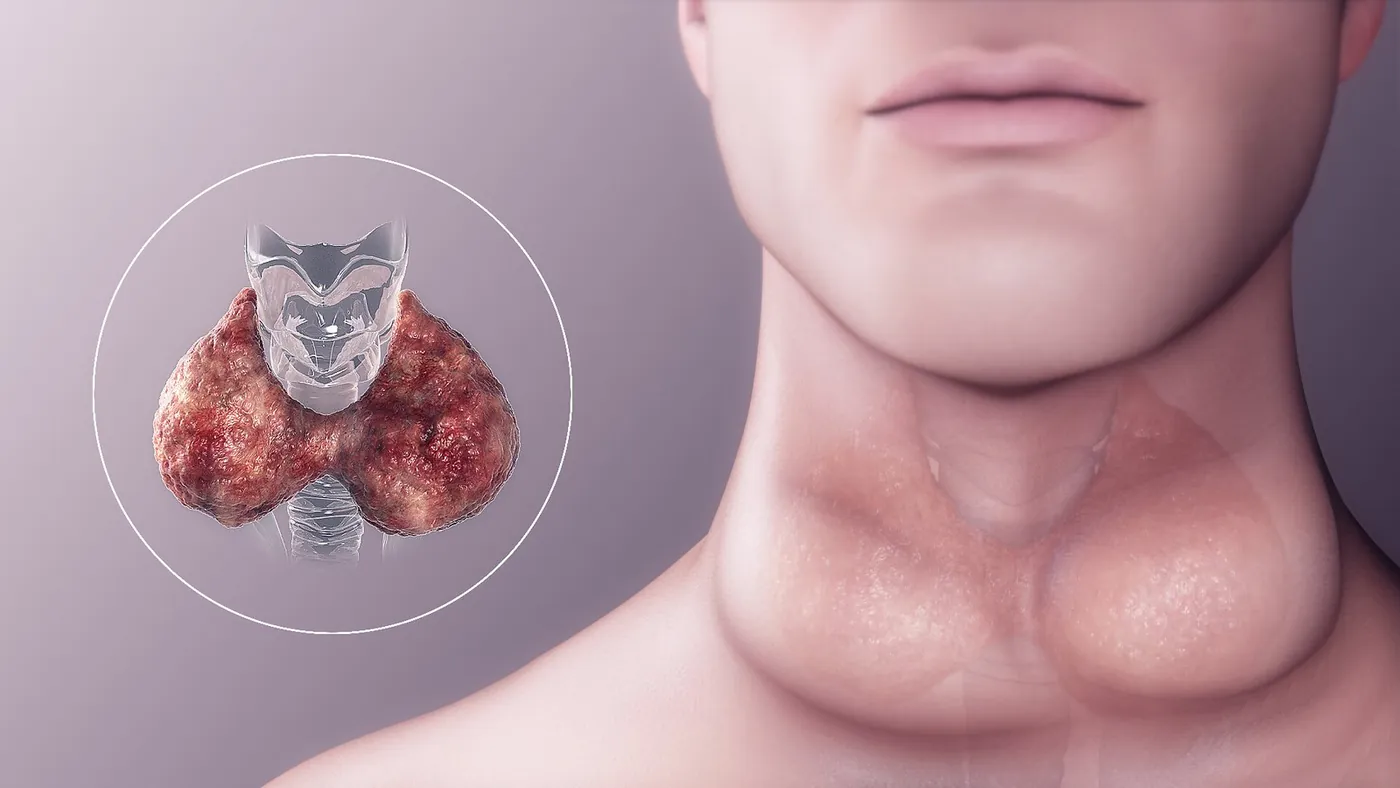
A high TSH with a low free T4 confirms an underactive thyroid, TPO antibodies show whether Hashimoto's is the cause, and an ultrasound is added if the gland is enlarged.
TSH is the most sensitive thyroid test and the first to order: a high TSH means the pituitary is working harder to drive a slow gland. The antibody result also guides how often you need monitoring, and thyroid ultrasound is available in Lahore.
Hypothyroidism Treatment in Lahore: Finding the Right Dose
The standard treatment is one hormone tablet a day, usually in the morning on an empty stomach, with the dose adjusted by TSH checks until you feel well.
- After starting or changing the dose: TSH again at 6 to 8 weeks.
- Once stable: a check once or twice a year.
Most patients notice a change within 4 to 8 weeks once the dose is right, and most take the tablet long term. Hypothyroidism is managed rather than cured, though some cases, such as thyroiditis after a viral illness, can be temporary.
The most common reason people on treatment still feel unwell is a dose that does not suit them. Normal ranges are wide, so a TSH that is technically normal may not be right for you, and Dr. Rizwan weighs your symptoms alongside the numbers. Patients from other cities can book an online consultation.
Hypothyroidism Before and During Pregnancy
With correct treatment and close monitoring, women with hypothyroidism have healthy pregnancies, and TSH is checked every 4 to 6 weeks while pregnant.
Untreated or under-treated hypothyroidism can affect both mother and baby, and the tablet dose usually needs to go up in pregnancy.
A multicentre study of 293 women in early pregnancy in Lahore found thyroid results outside the laboratory's reference ranges in about 29 percent, with overt and subclinical hypothyroidism at 4.44 percent each. Its authors called for trimester-specific reference ranges in Pakistan. Read the Lahore pregnancy thyroid study, published in Cureus in 2019.
If your sugar is also raised while you are expecting, see diabetes in pregnancy.
Book Hypothyroidism Treatment in Lahore
Have your latest TSH result to hand, then book on WhatsApp or by phone for any day from Mon to Sat, by appointment.
Book a consultation with Dr. Rizwan Niazi
Send a WhatsApp message or call the clinic to choose a time.
What Our Patients Say
I have been taking services from Dr. Rizwan Niazi for the past four months, and I am truly very satisfied. I was struggling with obesity, but Dr. Rizwan guided me properly and helped me a lot throughout my weight loss journey. His support, guidance, and professionalism made a big difference for me.
I genuinely recommend that if anyone is struggling with obesity or wants to lose weight in a healthy way, they should definitely consult Dr. Rizwan Niazi. This review is completely heartfelt and based on my personal experience.
Best doctor! I really loved meeting her. It’s been 3 months, and the weight issue that was my biggest concern has been resolved. Along with that, all my other problems have improved as well. I have lost 12 kg, very comfortably and without feeling stressed. She listens to everything very patiently and carefully, and makes you feel completely satisfied and reassured. I’m genuinely very happy with my experience.
Dr. Rizwan’s treatment for diabetes is excellent. Under his care, my weight dropped from 129kg to 92.4kg in just a few months. He is the best doctor in town and very friendly. I highly recommend him!
I visited Dr. Rizwan Niazi for weight loss and honestly had a very good experience. He explained everything clearly and guided me step by step. The results have been great so far. In my opinion, he is one of the best weight loss doctors in Pakistan.
I consulted Dr. Rizwan for thyroid issues after struggling for a long time. He identified the problem quickly and adjusted my treatment properly. I'm feeling much better now. A truly professional doctor and one of the best endocrinologists in Pakistan.
Dr. Rizwan is truly doing remarkable work. Managing diabetes and obesity is never easy, but his expertise and care make a real difference. Highly recommended for anyone looking for trusted guidance.
Good doctor who understood my issues and gave me the best treatment options. Very cooperative doctor.
Alhumdulillah good feedbacka very cooperative doctor and my Diabetes complete finished thanks doctor Rizwan Niazi and diabesity solutions
Frequently Asked Questions
Is hypothyroidism very serious?
It needs treatment, because a slow thyroid affects almost every system in the body. It is also one of the most treatable hormone conditions, and most patients feel significantly better once the right treatment level is established.
Which doctor is best for hypothyroidism?
An endocrinologist. A general blood test can show that TSH is abnormal, but getting the dose right and keeping it right over the years is the harder part, and that is where a consultant helps.