Thyroid Symptoms: Underactive and Overactive Signs to Watch
There are two opposite patterns. An underactive thyroid usually causes tiredness, weight gain, feeling cold, constipation, dry skin or hair, low mood…
Graves' eye disease, also called thyroid eye disease, is an autoimmune condition in which the immune system attacks the muscles and fat behind the eyes. This swelling pushes the eyes forward and can cause dryness and double vision, and if the optic nerve is squeezed, loss of sight. Its treatment is timed by the Clinical Activity Score taken at every appointment, and corrective eye surgery is coordinated with eye surgeons in Lahore once the disease has been inactive for six months.
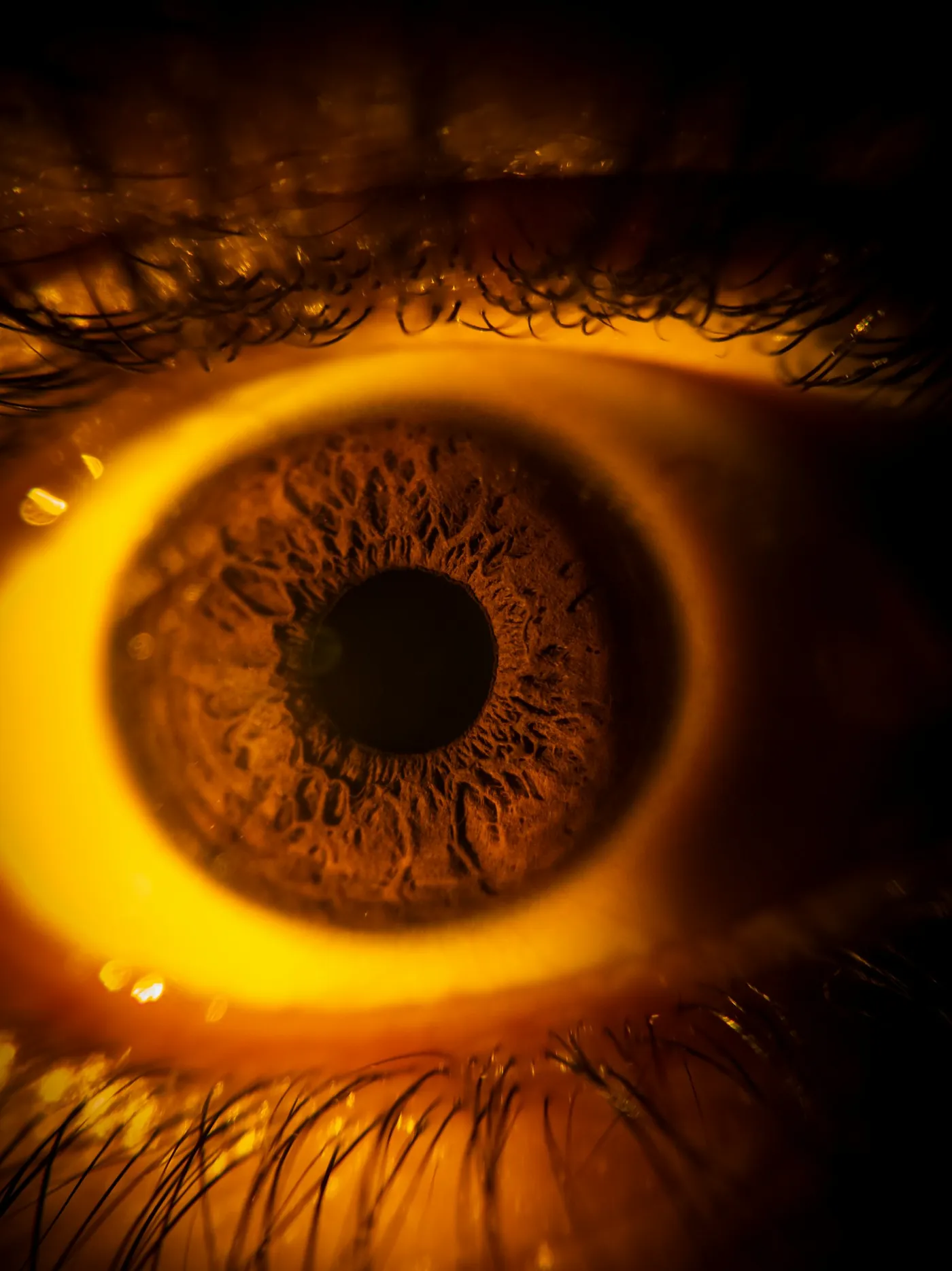
(عام نام: تھائیرائیڈ کی وجہ سے آنکھوں کا باہر نکلنا) یہ بیماری اس وقت ہوتی ہے جب جسم کا مدافعتی نظام آنکھوں کے پیچھے موجود پٹھوں پر حملہ کرتا ہے، جس سے آنکھیں سوج کر باہر نکل آتی ہیں۔ یہ عام طور پر تھائیرائیڈ کے مریضوں میں ہوتی ہے مگر تھائیرائیڈ نارمل ہونے پر بھی ہو سکتی ہے۔ بروقت علاج نہ ہو تو بینائی مستقل متاثر ہو سکتی ہے۔
Symptoms can affect one or both eyes, and at first they are often mistaken for allergies or tiredness.
Dry or constantly watery eyes, light sensitivity, puffy eyelids in the morning, redness and an ache behind the eye.
Bulging of one or both eyes, double or blurred vision, pain on eye movement, a wide staring look and trouble closing the eye.
A sudden change in vision, an eye that will not close at night, rapid redness and pain, fading colours or fast-increasing bulging.
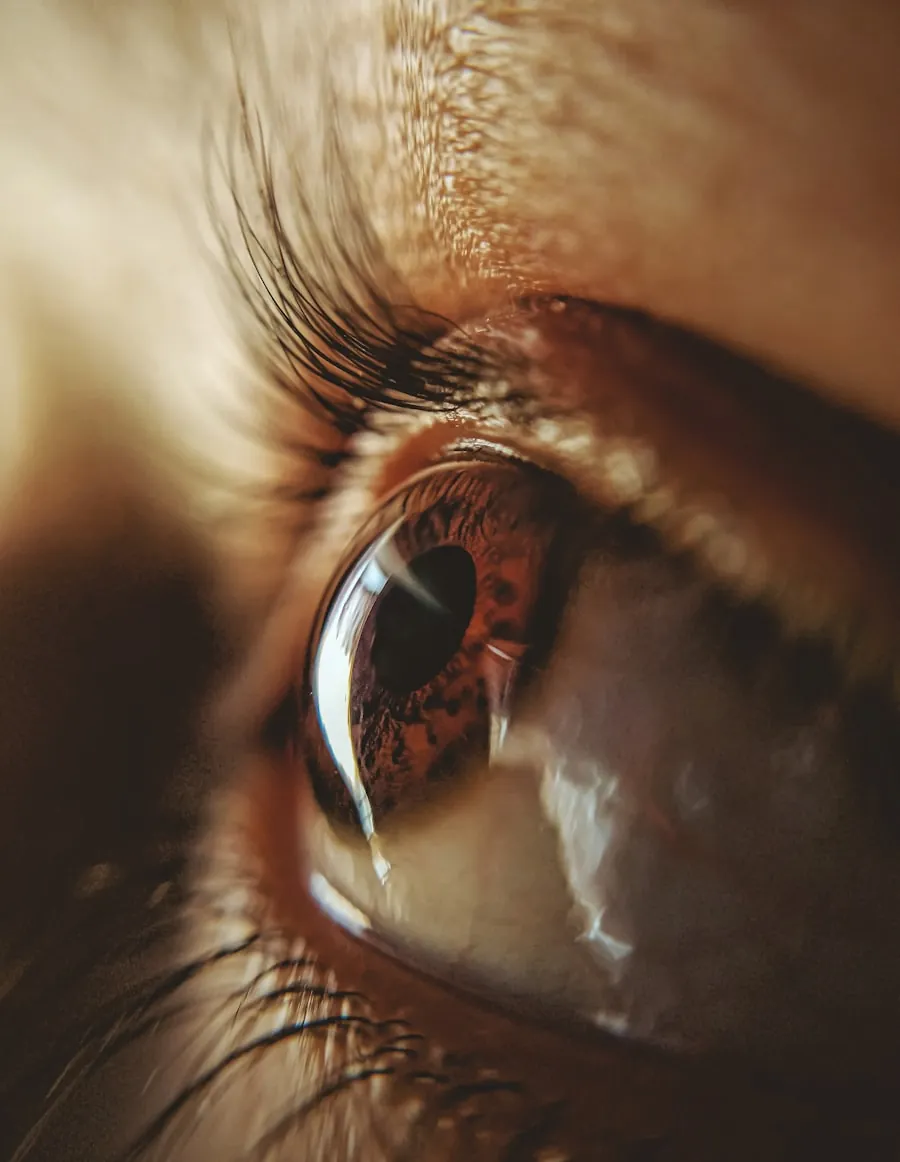
Left untreated during the active phase, which usually lasts 12 to 18 months, it can cause permanent damage, so early care protects sight and appearance.
When treatment starts early, inflammation is stopped before permanent scarring, bulging often settles or improves, and vision is protected in the vast majority of patients; surgery may be avoided altogether. The disease usually becomes inactive within 18 months. Some bulging or double vision may remain, eyelid changes often partly correct themselves, and regular follow-up catches any flare-up early.
What you can do:
The same antibodies that attack the thyroid attack the tissue behind the eyes, and it can happen even when thyroid levels are normal.
That is why a normal thyroid test does not rule it out, and why antibody testing matters. It is an autoimmune reaction, not something you caused.
People with Graves' disease or an overactive thyroid are most at risk.
Smoking doubles the risk, raises the antibodies behind the disease and makes anti-inflammatory treatment work less well.
Women are 5 times more likely to be affected than men.
The 30 to 60 year age group is most often affected.
A family history of autoimmune thyroid conditions raises the risk.
Unstable thyroid levels make the eye disease more likely to start or worsen.
An eye examination measures how far each eye is pushed forward, how it moves, your vision and the position of the eyelids.
Thyroid blood tests, TSH, T3 and T4, and the antibody tests that show the immune system attacking eye tissue are available at all major labs in Lahore. The Clinical Activity Score is an internationally validated measure of the inflammation in and around the eye, and a score above a set threshold means active disease that needs treatment now.
For moderate or severe cases, an orbital CT or MRI scan gives a detailed picture of the muscles and fat behind the eye and checks whether the optic nerve is under pressure.
Mild disease is managed with lubricating drops, selenium, sunglasses and stopping smoking, while moderate to severe active disease needs anti-inflammatory treatment and severe disease needs urgent care.
Drops to protect the cornea, selenium supplements, UV-protective sunglasses, tight thyroid control and activity scoring every 3 months.
Anti-inflammatory infusions or tablets, orbital radiotherapy in selected cases, activity scoring every 6 weeks and eye care shared with ophthalmology.
If sight is at risk: emergency high-dose treatment, urgent decompression surgery for the optic nerve and checks every few days.
Remaining bulging, double vision or eyelid changes are corrected with planned operations, done in sequence.
Radioactive iodine for the thyroid can trigger or worsen the eye disease while it is active, so if it is needed it is planned alongside eye-protective measures, or another thyroid treatment is chosen. For the thyroid side, see Graves' thyroid disease treatment.
Dr. Rizwan is one of the very few consultants in Lahore with dedicated thyroid eye disease expertise, and his care follows the international EUGOGO guidelines.
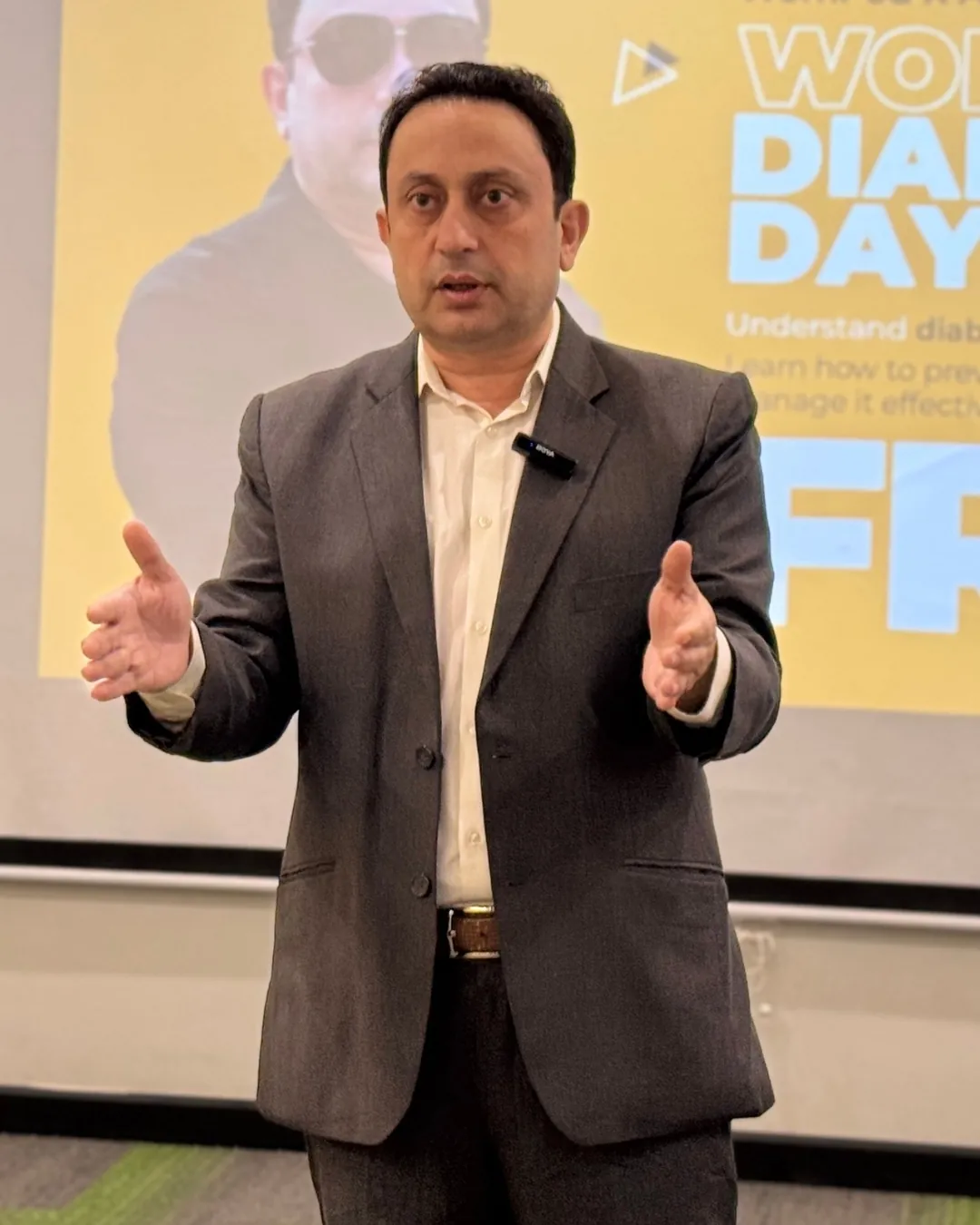
New eye changes should not wait: contact the clinic by WhatsApp or phone as soon as you notice them, Mon to Sat, by appointment.
Book a consultation with Dr. Rizwan Niazi
Send a WhatsApp message or call the clinic to choose a time.
There are two opposite patterns. An underactive thyroid usually causes tiredness, weight gain, feeling cold, constipation, dry skin or hair, low mood…
I have been taking services from Dr. Rizwan Niazi for the past four months, and I am truly very satisfied. I was struggling with obesity, but Dr. Rizwan guided me properly and helped me a lot throughout my weight loss journey. His support, guidance, and professionalism made a big difference for me.
I genuinely recommend that if anyone is struggling with obesity or wants to lose weight in a healthy way, they should definitely consult Dr. Rizwan Niazi. This review is completely heartfelt and based on my personal experience.
Best doctor! I really loved meeting her. It’s been 3 months, and the weight issue that was my biggest concern has been resolved. Along with that, all my other problems have improved as well. I have lost 12 kg, very comfortably and without feeling stressed. She listens to everything very patiently and carefully, and makes you feel completely satisfied and reassured. I’m genuinely very happy with my experience.
Dr. Rizwan’s treatment for diabetes is excellent. Under his care, my weight dropped from 129kg to 92.4kg in just a few months. He is the best doctor in town and very friendly. I highly recommend him!
I visited Dr. Rizwan Niazi for weight loss and honestly had a very good experience. He explained everything clearly and guided me step by step. The results have been great so far. In my opinion, he is one of the best weight loss doctors in Pakistan.
I consulted Dr. Rizwan for thyroid issues after struggling for a long time. He identified the problem quickly and adjusted my treatment properly. I'm feeling much better now. A truly professional doctor and one of the best endocrinologists in Pakistan.
Dr. Rizwan is truly doing remarkable work. Managing diabetes and obesity is never easy, but his expertise and care make a real difference. Highly recommended for anyone looking for trusted guidance.
Good doctor who understood my issues and gave me the best treatment options. Very cooperative doctor.
Alhumdulillah good feedbacka very cooperative doctor and my Diabetes complete finished thanks doctor Rizwan Niazi and diabesity solutions