Bone & Calcium Disorders Treatment in Lahore
Bone and calcium disorders treatment in Lahore covers osteoporosis, vitamin D deficiency, parathyroid disorders and calcium imbalance, at Diabesity Solutions with consultant endocrinologist Dr. Rizwan Niazi. This endocrine care reads a DEXA result together with calcium, PTH, 25-OH vitamin D, thyroid and kidney blood tests in one assessment. That joint reading matters because the conditions are linked, since low vitamin D cuts calcium absorption, which drives the parathyroid glands to overwork and drains calcium from the bones.
ہڈیوں اور کیلشیم کی خرابیاں، لاہور میں ماہر علاج
ڈاکٹر رضوان نیازی ڈی ایچ اے لاہور میں ان تمام مسائل کی تشخیص اور علاج کے ماہر ہیں۔ اگر آپ کو ہڈیوں میں درد، کمر کا درد، یا کیلشیم یا وٹامن ڈی کی کمی کا مسئلہ ہے تو آج ہی مشورہ لیں۔
Warning Signs of a Bone or Calcium Problem
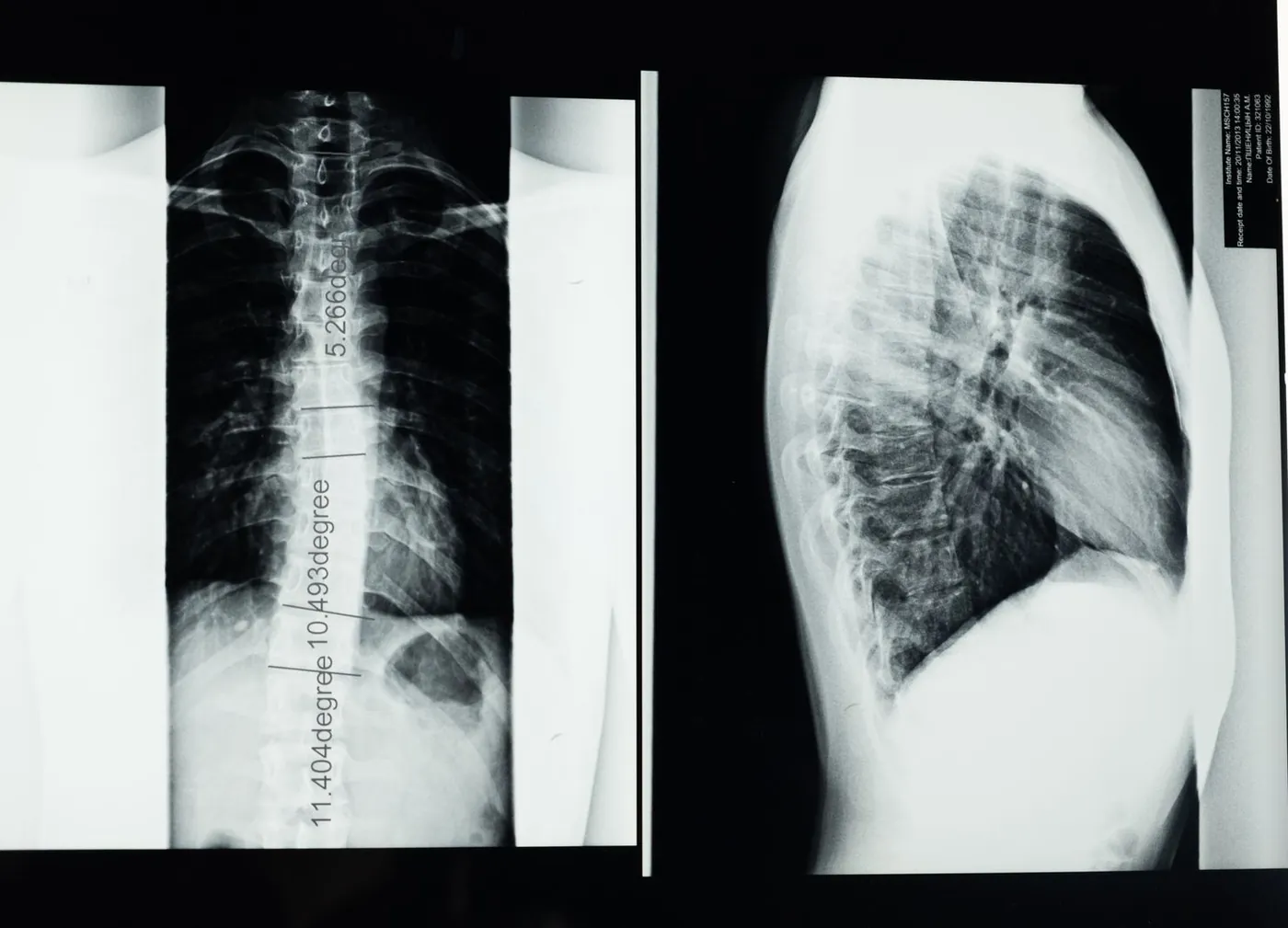
Back or hip pain, a fracture from a minor fall, muscle cramps and aching joints with morning stiffness are the signs worth a check.
Lasting back or hip pain and unexpected fractures can mean low bone density, which points to osteoporosis. Trouble climbing stairs and stiffness first thing in the morning can come from vitamin D deficiency or a parathyroid disorder.
Low Calcium Is More Common Than It Looks
In the 2018 National Nutrition Survey, 26.5% of Pakistani women aged 15 to 49 had low blood calcium.
That is a national figure, and no separate figure exists for Lahore. Low calcium often shows as tingling in the hands or feet and a tiredness that is easy to blame on a busy life.
Source: National Nutrition Survey 2018, Key Findings Report, Government of Pakistan and UNICEF.
Bone and Calcium Disorders Treatment in Lahore: One Blood Panel
Each result changes how the others are read, so the tests from one visit show whether the problem is bone loss, low vitamin D or a parathyroid fault.
Vitamin D and calcium doses follow the blood levels. Bone-strengthening treatment is supervised, and follow-up continues over the long term. The thyroid result is part of the picture too, and thyroid treatment is its own service. Patients outside Lahore can ask for an online consultation when they book.
Bone and Calcium Disorders We Treat in Lahore
Osteoporosis, vitamin D deficiency and parathyroid disorders each have their own page.
Osteoporosis
Bones that lose density and break easily, with the scan result read against blood tests to find why.
Learn moreVitamin D Deficiency
Confirmed with a blood test and corrected with supervised replacement, with calcium and bone checks alongside.
Learn moreParathyroid Disorders
Overactive or underactive glands that push blood calcium too high or too low, managed with regular monitoring.
Learn moreRelated pages
What Our Patients Say
I have been taking services from Dr. Rizwan Niazi for the past four months, and I am truly very satisfied. I was struggling with obesity, but Dr. Rizwan guided me properly and helped me a lot throughout my weight loss journey. His support, guidance, and professionalism made a big difference for me.
I genuinely recommend that if anyone is struggling with obesity or wants to lose weight in a healthy way, they should definitely consult Dr. Rizwan Niazi. This review is completely heartfelt and based on my personal experience.
Best doctor! I really loved meeting her. It’s been 3 months, and the weight issue that was my biggest concern has been resolved. Along with that, all my other problems have improved as well. I have lost 12 kg, very comfortably and without feeling stressed. She listens to everything very patiently and carefully, and makes you feel completely satisfied and reassured. I’m genuinely very happy with my experience.
Dr. Rizwan’s treatment for diabetes is excellent. Under his care, my weight dropped from 129kg to 92.4kg in just a few months. He is the best doctor in town and very friendly. I highly recommend him!
I visited Dr. Rizwan Niazi for weight loss and honestly had a very good experience. He explained everything clearly and guided me step by step. The results have been great so far. In my opinion, he is one of the best weight loss doctors in Pakistan.
I consulted Dr. Rizwan for thyroid issues after struggling for a long time. He identified the problem quickly and adjusted my treatment properly. I'm feeling much better now. A truly professional doctor and one of the best endocrinologists in Pakistan.
Dr. Rizwan is truly doing remarkable work. Managing diabetes and obesity is never easy, but his expertise and care make a real difference. Highly recommended for anyone looking for trusted guidance.
Good doctor who understood my issues and gave me the best treatment options. Very cooperative doctor.
Alhumdulillah good feedbacka very cooperative doctor and my Diabetes complete finished thanks doctor Rizwan Niazi and diabesity solutions
Book a consultation with Dr. Rizwan Niazi
Send a WhatsApp message or call the clinic to choose a time.