
PCOS Medicine Explained: The Pill, Metformin, Letrozole and What Else Helps
PCOS treatment is not one pill for all. If your main worry is irregular periods or acne, the first medicines I reach for are hormonal contraceptives.
Hirsutism treatment in Lahore is care for coarse, dark, male-pattern hair on a woman's face or body, given at Diabesity Solutions by consultant endocrinologist Dr. Rizwan Niazi. This hormone-led care finds where the extra androgens come from, whether the ovaries, the adrenal glands or PCOS, using blood tests and an ultrasound. Its treatment slows new growth by dealing with that source, since laser and waxing remove hair already grown but leave the androgens untouched.
خواتین میں چہرے، ٹھوڑی، اوپری ہونٹ اور جسم پر زائد بالوں کا آنا اکثر ہارمونل عدم توازن کی علامت ہے۔ یہ مسئلہ پی سی او ایس یا ایڈرینل گلینڈ کی خرابی سے ہو سکتا ہے۔ ڈاکٹر رضوان نیازی لاہور ڈی ایچ اے میں اس مسئلے کی جڑ تک پہنچ کر ہارمونل علاج فراہم کرتے ہیں تاکہ مستقل بہتری آ سکے۔
Hirsutism means coarse, dark hair growing where men usually grow it, and it points to raised androgens that need checking.
The usual places are the upper lip and chin, the cheeks and sideburns, the neck, the chest and around the nipples, the lower abdomen, the back, and the inner thighs and buttocks. Normal body hair in women is fine and light, so having a little more than average is a different thing.
Androgens come from both the ovaries and the adrenal glands, and a problem in either can start the extra growth. Often the imbalance is subtle and shows only as hair growth, weight gain or irregular periods.
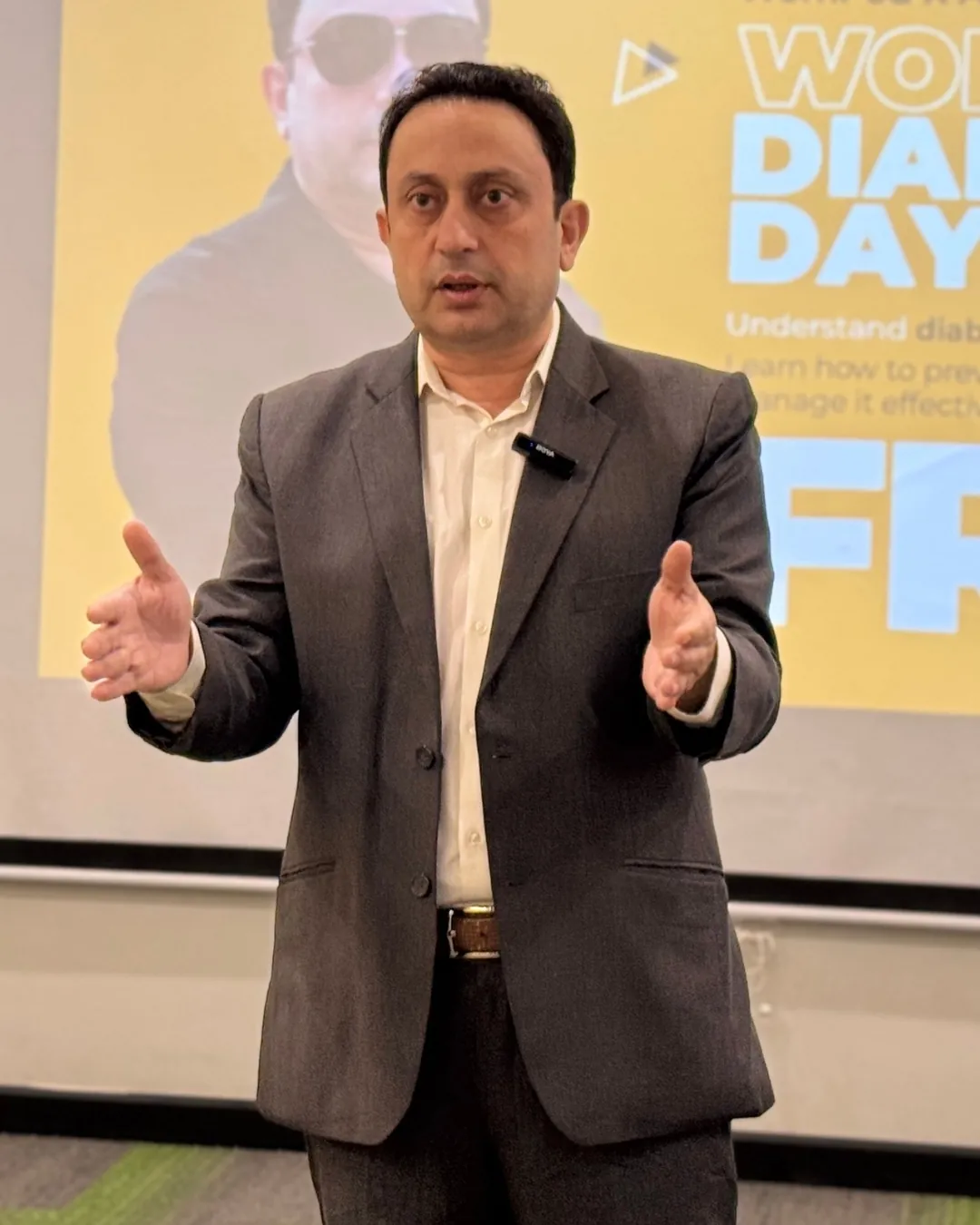
An endocrinologist, because the hair follows a hormone problem that blood tests can find.
Dr. Rizwan looks for the hormonal root and builds a plan around it.
PCOS is the most common cause, and the others are adrenal overactivity, idiopathic hirsutism, thyroid imbalance, some medicines and, rarely, a tumour.
Idiopathic hirsutism means hormone levels are normal but the hair follicles react more strongly to androgens. Some medicines raise androgen levels as a side effect. Ovarian or adrenal tumours are rare, but they have to be ruled out when hair appears suddenly, fast or severely.
Not every woman with PCOS has hirsutism, and not every woman with hirsutism has PCOS. The two are closely linked, because the ovaries in PCOS make extra androgens that set off male-pattern growth, so they are usually investigated together.
The tests are total and free testosterone, DHEAS, LH, FSH, prolactin, thyroid function, fasting insulin and glucose, sometimes cortisol, and an ultrasound of the ovaries and adrenal glands.
A full menstrual and medical history is taken before any treatment starts, and the results together point to the source of the androgens.
Treating the cause slows new hair growth over months, while hair that has already grown does not disappear on its own.
Depending on the cause, treatment is hormonal therapy that lowers androgen activity, or medicine for PCOS or an adrenal problem, and each option is explained before you start. Where weight is a factor, losing some can lower androgen production over time.
Hormone levels are rechecked at intervals and the plan is adjusted as you go. How far the hair settles depends on the cause, and with proper management most women see a real and lasting improvement.
PCOS treatment is not one pill for all. If your main worry is irregular periods or acne, the first medicines I reach for are hormonal contraceptives.
I have been taking services from Dr. Rizwan Niazi for the past four months, and I am truly very satisfied. I was struggling with obesity, but Dr. Rizwan guided me properly and helped me a lot throughout my weight loss journey. His support, guidance, and professionalism made a big difference for me.
I genuinely recommend that if anyone is struggling with obesity or wants to lose weight in a healthy way, they should definitely consult Dr. Rizwan Niazi. This review is completely heartfelt and based on my personal experience.
Best doctor! I really loved meeting her. It’s been 3 months, and the weight issue that was my biggest concern has been resolved. Along with that, all my other problems have improved as well. I have lost 12 kg, very comfortably and without feeling stressed. She listens to everything very patiently and carefully, and makes you feel completely satisfied and reassured. I’m genuinely very happy with my experience.
Dr. Rizwan’s treatment for diabetes is excellent. Under his care, my weight dropped from 129kg to 92.4kg in just a few months. He is the best doctor in town and very friendly. I highly recommend him!
I visited Dr. Rizwan Niazi for weight loss and honestly had a very good experience. He explained everything clearly and guided me step by step. The results have been great so far. In my opinion, he is one of the best weight loss doctors in Pakistan.
I consulted Dr. Rizwan for thyroid issues after struggling for a long time. He identified the problem quickly and adjusted my treatment properly. I'm feeling much better now. A truly professional doctor and one of the best endocrinologists in Pakistan.
Dr. Rizwan is truly doing remarkable work. Managing diabetes and obesity is never easy, but his expertise and care make a real difference. Highly recommended for anyone looking for trusted guidance.
Good doctor who understood my issues and gave me the best treatment options. Very cooperative doctor.
Alhumdulillah good feedbacka very cooperative doctor and my Diabetes complete finished thanks doctor Rizwan Niazi and diabesity solutions
Book a consultation with Dr. Rizwan Niazi
Send a WhatsApp message or call the clinic to choose a time.