

I get asked this exact question in clinic all the time: an endocrinologist is simply the doctor who treats hormones and the glands that make them. In Urdu most people understand that better when I say ہارمونز کے ڈاکٹر or in Roman Urdu “hormones ka doctor” and I also say “شوگر اور تھائرائیڈ کے ڈاکٹر” to make it concrete. If you are checking who to book for sugar (diabetes), thyroid, PCOS, fertility worries, or other hormone problems, this is usually the specialist you want to see.
In This Article
- What is an endocrinologist?
- Which doctor is called endocrinologist in Urdu?
- What does an endocrinologist treat?
- Is endocrinologist a diabetes doctor?
- Is endocrinologist a thyroid doctor?
- When should I see an endocrinologist?
- The point where hormone problems need a specialist visit
- Bring your reports and book the right specialist
What is an endocrinologist?
An endocrinologist is a physician who specialises in hormones and the glands that make them. I explain it in clinic like this: hormones are the body chemical messengers, and when the messenger system goes wrong a range of problems can follow. In plain language that means problems with sugar control, thyroid function, menstrual cycles, fertility, sudden weight change, or unexplained fatigue may need an endocrinologist.
Most people think first of sugar or thyroid. That is normal. I see both every week, but the specialty covers more than those two conditions. When a patient asks “endocrinologist kya hota hai” I give that short picture and then ask what symptom brought them in, because the name alone does not tell the whole story.

Dr. Rizwan Niazi, who wrote this article, is a consultant endocrinologist in Lahore.
Which doctor is called endocrinologist in Urdu?
In everyday Urdu I tell patients to look for ہارمونز کے ڈاکٹر or to ask for “hormones ka doctor” at the clinic desk. Many people also recognise the phrase شوگر اور تھائرائیڈ کے ڈاکٹر and that makes the booking decision simple. Formal dictionary translations exist online, but they are rarely the words families use when arranging an appointment.
If you type the English word into a search box you will often see a literary Urdu phrase. That can confuse people. In my practice the phrase that helps is the spoken one. Say to the receptionist “hormones ka doctor” or “sugar aur thyroid ka doctor” and you will be shown the right specialist lane.
What does an endocrinologist treat?
Endocrinologists manage conditions that come from hormone or gland problems. The most common reasons people come to me are diabetes and thyroid disorders. I also see patients with pituitary or adrenal gland problems, menstrual irregularities and PCOS, infertility linked to hormone imbalance, and metabolic issues like obesity where hormones play a role.
Think of the list as the usual clinic doors: sugar control, thyroid function, female hormone disorders, and the less common but important pituitary or adrenal problems. If something looks like a hormone problem, this is the speciality that takes a coordinated view of tests and treatment.

Is endocrinologist a diabetes doctor?
Yes. Diabetes is one of the main conditions endocrinologists treat. When someone has complicated sugar control, childhood onset diabetes, frequent unexplained low sugars, or needs specialist insulin management, they usually see an endocrinologist.
One practical point I say clearly to every patient on insulin is this. Never stop insulin without your doctor. Insulin and other diabetes medicines must be adjusted by a doctor who has seen the full picture in clinic. If you are unsure about a change that relatives suggested in a WhatsApp message, bring the message to the appointment and we will review it together.
Is endocrinologist a thyroid doctor?
Yes again. Thyroid problems are a core part of endocrine practice. If you have symptoms such as marked weight change, a new lump in the neck, persistent tiredness that does not fit another cause, or abnormal thyroid blood tests, an endocrinologist can sort whether this needs specialist treatment or simple follow up with a general doctor.
Many times a general practitioner starts the first tests and then refers the person to me when the case is complicated, when pregnancy is involved, or when the thyroid dose needs careful long term planning. I tell patients that being referred does not mean something serious has been missed. It means we are using the right expertise for the problem.
When should I see an endocrinologist?
Book an endocrinologist when the problem points to hormones, when tests are abnormal and stay abnormal despite simple measures, or when more than one hormone system seems affected. A common situation I see is a family saying “just try a home remedy from WhatsApp” after a blood test shows a problem. That is where I advise bringing the reports to clinic instead.
Another daily pattern that matters for many of my patients is Ramadan fasting. Sehri and iftar timing change medicines and blood glucose patterns. If you are on diabetes medication and plan to fast, see an endocrinologist to review your plan rather than guessing. I also see people who say their feet burn at 3am. That is often related to sugar control and it is worth specialist review if it keeps happening.
Medicine does not have a neat answer here yet. Some problems are simple, others need stepwise testing and adjustments. Anyone who promises a quick fix for a complex hormone issue is overconfident. I will be honest with you about what we can check and how we will proceed.

The point where hormone problems need a specialist visit
Below I list the practical signals I use in clinic to decide between a soon appointment and emergency care. The items are symptom based because numbers in isolation do not tell the whole story.
Book an appointment soon if:
- You have new abnormal blood tests for sugar or thyroid and you do not know what they mean, or the family keeps telling you conflicting advice from social media.
- Your periods have become irregular with weight change or difficulty conceiving, or you have PCOS symptoms that affect daily life.
- Your medicine plan needs review because you plan to fast for Ramadan or have travel and you need a specialist adjustment.
Go to emergency now if:
- You are very drowsy, vomiting, disoriented, or breathing fast while you have high sugar readings. These are signs that need urgent attention now.
- You have sudden severe chest pain, fainting, or a very swollen and painful neck that makes breathing or swallowing hard. These are emergency signals.
- Your thyroid signs include sudden rapid heartbeat with confusion or you are unable to take oral medicines and feel very unwell. These scenarios need immediate care.
I get asked this so often that I keep a note about it on my desk: if relatives are arguing about a herbal cure in the family WhatsApp group, bring the message and the lab report to clinic. There is rarely value in delaying a proper specialist review because the advice at home is often well meaning and not evidence based.
Bring your reports and book the right specialist
Before you come, collect your most recent blood test reports, a list of medicines you take, and any symptom notes you have kept for the last month. That simple package helps me make a quicker and more accurate plan in the first consultation. If you have copies of previous thyroid or diabetes tests, bring them together so we can look for trends rather than a single number.
Most of my patients are surprised when I tell them that sharing what family members have suggested helps. It gives context. The people who do best with endocrine problems usually bring the reports, mention fasting plans like Sehri and iftar, and tell me about any herbal remedies they have tried. I have never once seen a patient regret starting earlier. I have seen many regret waiting.
Dr. Rizwan Niazi assesses these cases personally and will review your reports in clinic when you book a consultation.
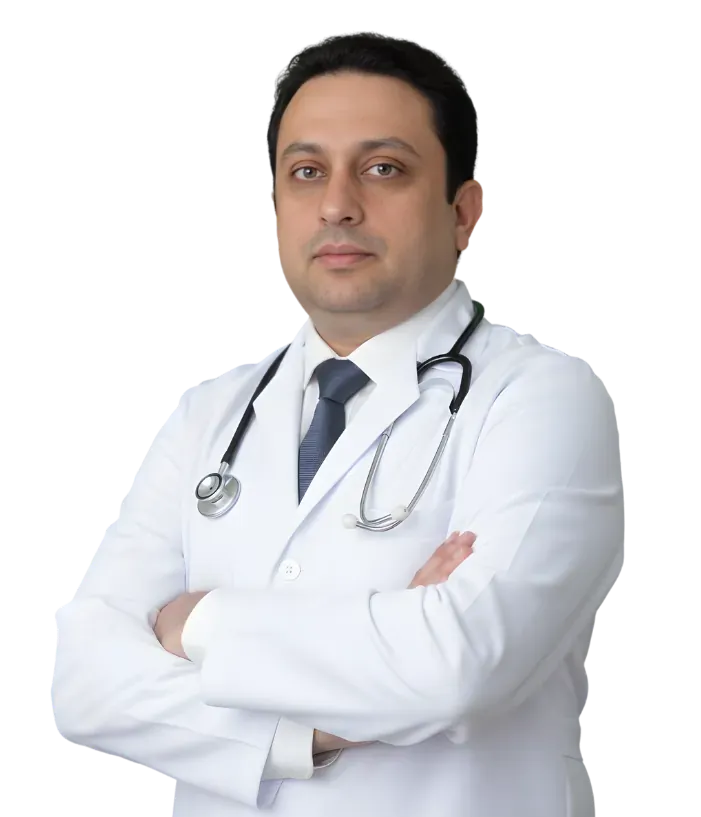
Dr. Rizwan Niazi
Dr. Rizwan Niazi is a consultant endocrinologist and diabetologist in DHA Lahore with more than 21 years of experience. He holds MBBS, MRCP, MCPS and MD Endocrinology, and his clinic work covers medical weight loss, diabetes, thyroid and hormone disorders, and PCOS. He writes these articles to answer the questions patients actually ask him in clinic.