
I will answer this plainly. The core difference is that in type 1 diabetes the body stops making insulin because the immune system destroys the insulin producing cells in the pancreas, while in type 2 the body still makes insulin but the tissues do not respond to it well, a problem called insulin resistance. That distinction matters because type 1 usually needs insulin from diagnosis, while type 2 may be managed at first with lifestyle changes and non-insulin medicines, and sometimes later with insulin. Both types can occur at any age, so age alone does not tell you the answer.
In This Article
- What is the main difference between type 1 and type 2 diabetes?
- How do symptoms differ between type 1 and type 2?
- What causes type 1 and type 2?
- Does type 2 diabetes always need insulin?
- Can adults get type 1 diabetes?
- When high sugar needs a clinic visit this week
- What to bring and track before your appointment
- Bring your reports and a short symptom list
- Questions patients ask me after this conversation
What is the main difference between type 1 and type 2 diabetes?
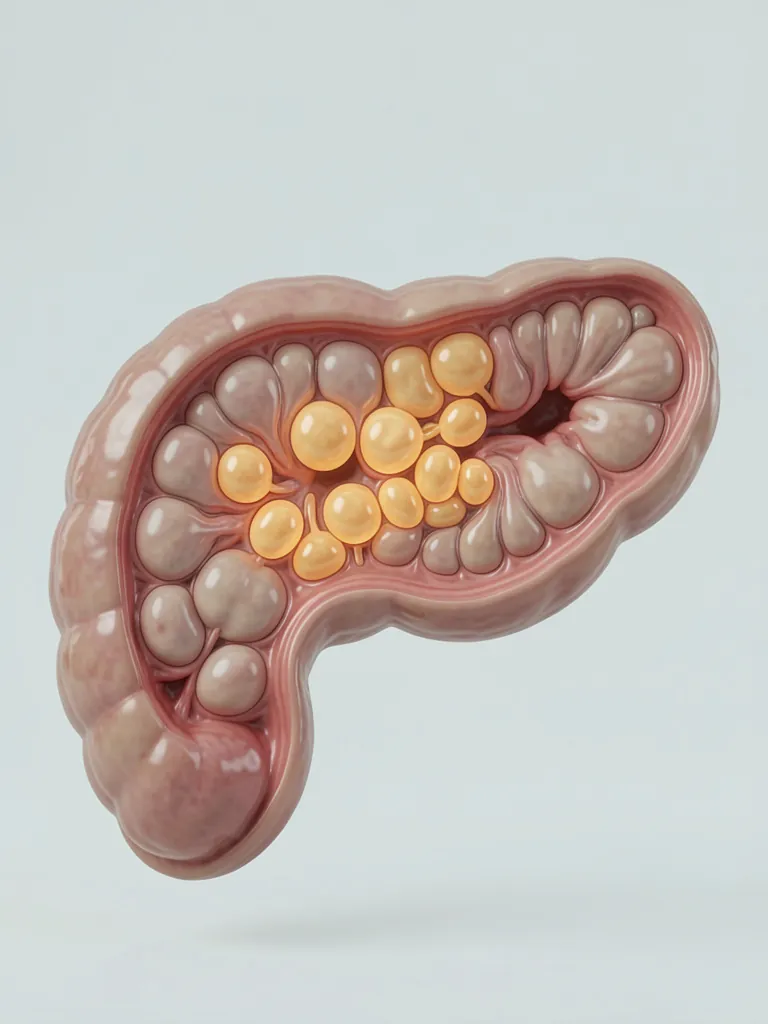
Put simply, type 1 is a problem of insulin production, and type 2 is a problem of insulin action. In type 1 the immune system destroys the cells in the pancreas that make insulin, so the body stops making enough insulin to keep blood glucose under control. In type 2 the pancreas usually still makes insulin, at least at first, but muscle, fat and liver cells do not respond to it properly. Over time the pancreas may make less insulin, but the starting problem is resistance, not the immune attack.
Why that matters to you is practical. When the body is not making insulin, replacement with insulin is essential. When the body is resistant to insulin, we often start with lifestyle measures and non-insulin medicines and add insulin if needed later. Saying this another way helps patients: type 1 is a body that stops making insulin. Type 2 is a body that still makes insulin, but it does not use it properly.
How do symptoms differ between type 1 and type 2?
Type 1 often comes on quickly over days to a few weeks. People notice marked thirst, frequent urination, sudden weight loss, and severe tiredness. Type 2 can be much slower. Symptoms may be subtle or absent for months or years. Common signs are increased thirst, more urination, fatigue, and unexpected weight change, but many people do not feel unwell until the disease is advanced.
A pattern I see in clinic almost every week is this. People with slow rising sugars often blame stress or a busy schedule because the symptoms are quiet. That is why a routine blood glucose check or an HbA1c test is important when risk factors are present or symptoms are new. Remember that a sudden, severe presentation with vomiting, confusion or breathing difficulty needs immediate attention.
What causes type 1 and type 2?
Type 1 is an autoimmune condition. The immune system targets and destroys the insulin producing cells in the pancreas. This is not caused by what you ate, and it is not a result of any moral failing. Type 2 is driven mainly by insulin resistance. That resistance links to factors such as excess body fat around the waist, family history, age and ethnicity. Lifestyle matters, but it is one part of a bigger mix.
I will be honest, we do not fully understand why this happens in some people and not others. Genetics, body fat distribution, and lifestyle all play a role in type 2, while type 1 is driven by an immune process. Saying that again in plain language helps: one is a misdirected immune response, the other is a mismatch between the insulin the body makes and how the tissues use it.
Does type 2 diabetes always need insulin?
No. Many people with type 2 start with lifestyle changes and oral or injectable non-insulin medicines and never need insulin. However some people with type 2 do need insulin, either early in the course if their sugars are very high, or later as the pancreas makes less insulin. Needing insulin is a treatment decision, not a judgment on effort.
Most of my patients are surprised when I tell them this. I also tell them that starting insulin is common and safe when used correctly. If you are using insulin, learn how to avoid low blood sugar and how to store and use your supplies safely. Never stop insulin without your doctor. Any change in insulin must be supervised.
Can adults get type 1 diabetes?
Yes. Type 1 most often appears in children and young adults, but it can occur at any age. Adults with a new diagnosis of diabetes should not assume they have type 2 just because of their age. If the clinical picture suggests type 1, such as rapid onset of symptoms or very low insulin production on testing, we investigate further and start insulin promptly when needed.
When families come in together, this is usually their first question. I have stopped being surprised by how often adults come to clinic believing they cannot have type 1. The practical point is simple. If your symptoms or blood glucose patterns do not fit the usual type 2 story, ask for the right tests and a specialist review rather than assuming the label based on age.
| Feature | Type 1 | Type 2 |
|---|---|---|
| Core problem | Pancreas stops making insulin | Body resists insulin or makes less over time |
| Cause | Autoimmune attack on insulin producing cells | Insulin resistance with multiple risk factors |
| When it appears | Often quick onset, any age possible | Often gradual, increasingly seen in youth and adults |
| Need for insulin | Yes, insulin replacement from diagnosis | Sometimes, not always |
| Symptoms | Rapid thirst, weight loss, tiredness | Slow or subtle symptoms, may be missed |
| Remission | No cure currently | Some people can reach remission with intensive change |
When high sugar needs a clinic visit this week
Book an appointment soon if you have any of the symptoms below or if several of your routine readings are higher than usual. This list helps me decide next steps.
- New, increasing thirst and urination that are noticeable day to day
- Rapid unexplained weight loss or persistent vomiting
- Recent diagnosis and you are unsure whether you have type 1 or type 2
- Fasting or random blood glucose readings persistently above your usual targets
Go to emergency now if you have any of the following. These signs mean urgent treatment is needed.
- Severe vomiting, confusion, drowsiness or difficulty breathing
- Very rapid breathing, fainting, or an inability to keep fluids down
- Signs of very low blood sugar that do not respond to quick sugar sources

What to bring and track before your appointment
- Recent blood test report if you have one, including HbA1c if available
- A short list of symptoms with start dates and any recent changes
- Home blood glucose readings for the last two weeks if you have a meter
- A list of current medicines and any herbal things you are taking
- Your weight and waist measurement if possible
- Family history of diabetes or autoimmune conditions
- Questions you want answered about insulin, diet, fasting in Ramadan, or medicines
Bring your reports and a short symptom list
Bring the reports and a short symptom list when you come. I care more about patterns than a single number, so copies of recent blood glucose logs and any lab results make the visit far more useful. The people who do best with this tend to do one thing differently. They bring their nightly meal notes and a list of what family members usually cook for shared meals. That quick context helps me tailor advice that will actually work at home.
I have never once seen a patient regret starting earlier. I have seen many regret waiting. If you want a personal assessment and a plan that fits your home routine, I can see you in clinic. My training and society memberships sit in diabetes and thyroid medicine, and this question lives right in the middle of both.
Questions patients ask me after this conversation
Can children get type 2 diabetes?
Yes. Type 2 is increasingly seen in children and teens, especially when risk factors such as overweight, family history and low physical activity are present. Childhood type 2 may still need medicines or insulin, depending on how high the blood glucose is and how the child responds to initial treatment.
Does insulin mean you have type 1 diabetes?
No. Insulin is required in type 1, but some people with type 2 also need insulin at diagnosis or later. Needing insulin is not a proof of failure. It is a tool we use to get blood glucose into a safe range.
Is type 1 diabetes caused by sugar?
No. Type 1 is an autoimmune condition. What you ate did not cause the immune system to attack the pancreas. Explaining this clearly helps reduce blame and shame that families sometimes feel.
Can type 2 diabetes go away?
Some people with type 2 can reach remission, meaning their blood glucose returns to non-diabetic ranges without ongoing glucose-lowering medicines. This is not the same as a permanent cure. Remission is more likely with early diagnosis and intensive change, and it needs careful follow up so medicines and risk are managed safely.

Dr. Rizwan Niazi
Dr. Rizwan Niazi is a consultant endocrinologist and diabetologist in DHA Lahore with more than 21 years of experience. He holds MBBS, MRCP, MCPS and MD Endocrinology, and his clinic work covers medical weight loss, diabetes, thyroid and hormone disorders, and PCOS. He writes these articles to answer the questions patients actually ask him in clinic.