

I often hear the question exactly this way: “What are the most common thyroid symptoms, and do they point to an underactive or overactive thyroid?” The short answer is that there are two opposite patterns. An underactive thyroid usually causes tiredness, weight gain, feeling cold, constipation, dry skin or hair, low mood and heavier or irregular periods. An overactive thyroid usually causes palpitations, anxiety or irritability, weight loss despite appetite, heat intolerance, sweating, tremor and poor sleep. Neck swelling and eye changes point to structural thyroid problems or Graves eye disease, and blood tests (TSH with free T4) are required to confirm which problem you have.
In This Article
- What thyroid symptoms actually look like
- Hypothyroidism symptoms
- Hyperthyroidism symptoms
- When symptoms are vague or overlap with other problems
- What tests your doctor will order
- When symptoms need urgent attention
- When a swollen neck or fast heartbeat needs an appointment
- Bring the reports and your symptoms
What thyroid symptoms actually look like
There are two broad patterns I look for in clinic. One is what I call the slow-down pattern. People tell me they are tired all the time, feel colder than others, have put on weight without changing their meals, and their skin and hair feel dry. Everything seems to be moving more slowly. The other is the speed-up pattern. Patients describe a racing heart, more sweating, feeling anxious for no clear reason, tremor in the hands, trouble sleeping and losing weight despite a good appetite. These two patterns point in different directions when I consider thyroid function and the tests I will order.
One practical point I say to patients often is that one symptom alone is rarely diagnostic. Fatigue, for example, could be thyroid, but it could also be sleep loss, low iron, depression or menopause. What makes me suspicious is the cluster: weight gain plus cold intolerance and constipation, or palpitations plus weight loss and tremor. When clusters match, the chance that the thyroid is responsible goes up and I ask for tests.
Here is what I actually tell my own patients. If your symptoms match the slow-down pattern, I explain why low thyroid hormone slows the body and how that produces the tiredness and weight change. If your symptoms match the speed-up pattern, I explain why too much thyroid hormone speeds the heart and bowel and why palpitations or frequent bowel motions are common. Both are treatable, but the tests are the same first step.
Hypothyroidism symptoms
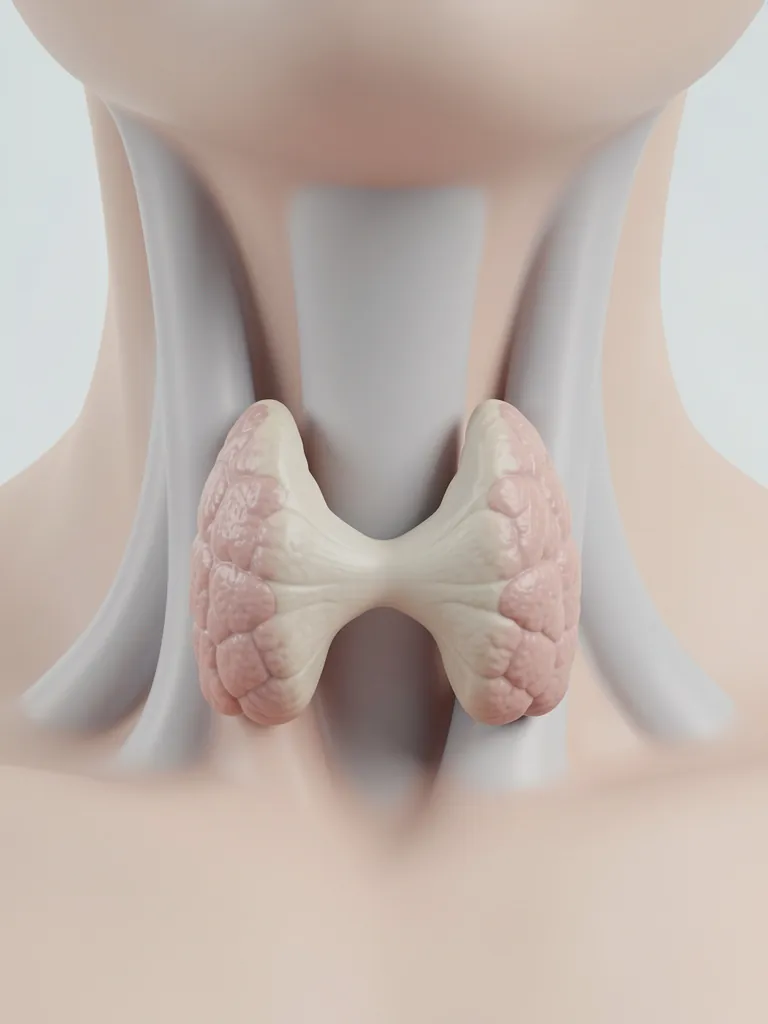
Most of my patients are surprised when I tell them this. Fatigue that creeps up over months is very typical. It is common for someone to say “I am always tired but my blood tests are normal” because they had a single normal test months ago while their symptoms continued. Symptoms in hypothyroidism usually develop slowly and get worse over time, so a single normal test does not end the conversation if the pattern is strong.
Children are different. In children I worry about poor growth, low weight gain, and delayed puberty rather than the classic adult tiredness. If you are following a child and growth is stalling, do not wait. That is a different clinical picture and it needs paediatric assessment.
Hyperthyroidism symptoms

A common frustration I hear is “My heart keeps racing and I feel shaky, but everyone says it is just anxiety.” When palpitations and shaking come with weight loss and heat intolerance, I do not accept a simple anxiety label until we have checked thyroid tests. The same applies in older adults who may present with only heart rhythm changes or tiredness, and these signs are easily misattributed to ageing or heart disease.
Eye symptoms such as redness, dryness, light sensitivity, bulging eyes or double vision are important because they point toward Graves eye disease. These are not routine tiredness symptoms and they need a specific assessment. If your eyes feel strange or your vision changes, bring that to the front of the conversation.
When symptoms are vague or overlap with other problems

Fatigue, low mood, weight change, brain fog and constipation overlap with many other conditions. In my practice I see this confusion almost every week. Thyroid disease can mimic or coexist with anemia, depression, sleep problems, menopause, medication side effects and diabetes. Nine times out of ten the real issue turns out to be something simpler, but the clusters matter.
When someone brings one or two mild symptoms and a normal prior blood test, I explain that we take a sensible pause. If symptoms are persistent, getting worse, or several of them occur together, then repeating thyroid tests and checking other causes is reasonable. Some of this is trial and error, and I would rather say that than dress it up. We check, we treat if needed, and we reassess.
Local life matters. A woman who says she cannot lose weight after wedding dinner pressure and the wedding food frenzy is common may simply be struggling with calorie balance. I will still ask about tiredness, periods and bowel habits. The roti portion negotiation at home or the family WhatsApp group forwarding a herbal cure are daily realities that shape how people delay or seek care. I try to separate cultural noise from clinical signals.
What tests your doctor will order
The first tests I request are TSH and free T4. These blood tests tell me whether the thyroid hormone level is too low, too high, or within the expected range. If the TSH is abnormal I usually add antibodies or imaging depending on the suspected cause. For eye symptoms or visible neck swelling I will consider a referral and additional imaging.
Patients ask me whether a single normal test rules out thyroid disease. I will be honest. It does not always. Symptoms can develop slowly and labs taken months apart can change. If your symptoms are persisting, repeat or expanded testing can be helpful. I cannot give exact cutoffs here because the lab interpretation depends on the clinical picture and the laboratory reference ranges.
When we confirm hypothyroidism, the usual approach is replacement with daily thyroid hormone. When we confirm hyperthyroidism, the options include medicines to reduce hormone production, procedures, or surgery depending on the cause. If thyroid medication becomes part of your plan, remember that your doctor starts low and increases gradually while watching symptoms and blood tests. Never stop thyroid medicine without your doctor. If you are taking insulin or other diabetes medicines, do not stop them suddenly either. Medication changes are a supervised, stepwise process.
Video consultation is a convenient option I offer for stable follow up or for patients living far away, but a lump that needs an ultrasound cannot be managed by video alone.
When symptoms need urgent attention
Most thyroid problems are not emergencies, but some signs require rapid assessment. Goitre that causes trouble swallowing or breathing, sudden severe palpitations, chest pain, fainting, sudden severe confusion, or marked eye pain or vision change are events that need quick evaluation. If you have significant shortness of breath or fainting, go to emergency right away.
If your symptoms are new, severe, or rapidly worsening do not wait months. I say this because patients rarely believe me the first time I say it. Sudden, severe symptoms are not the usual course for low thyroid function and they demand a broader and faster workup.
When a swollen neck or fast heartbeat needs an appointment
If any of the following are present, book an appointment within days. If the second group appears, go to emergency now.
- Book an appointment soon if you have any of the following: persistent tiredness with unexplained weight gain and cold sensitivity; irregular or heavy periods together with fatigue; a new lump or fullness in the front of your neck that you can feel or that a family member noticed.
- Go to emergency now if you have any of the following: severe new shortness of breath or trouble breathing; chest pain or fainting with a fast or irregular heartbeat; sudden severe eye pain or rapid vision loss; sudden confusion or collapse.
Bring the reports and your symptoms
Bring whatever blood reports you already have and a short list of symptoms with their timeline. I would take a patient who reports honestly over one whose numbers look tidy. Write down when each symptom started, what makes it better or worse, and any recent weight change in kg. At the visit we will review tests and decide whether to repeat TSH and free T4 or to add other investigations.
In two decades of endocrine practice, this is the pattern I keep seeing. If you are worried about timing, check your symptoms after a busy meal or a stressful family event like a wedding dinner pressure moment. If your feet wake you at 3am with burning or tingling, mention that too. Sometimes what looks like a thyroid problem is a different issue, and the tests guide us.
If you would like a focused consultation, I assess thyroid and hormone problems at my clinic and we plan tests and follow up together. In the visit we sort out whether treatment is needed now or whether monitoring is reasonable. If treatment is started, I explain the plan and the follow up schedule so you are clear about the next steps.
Questions patients ask me after this conversation
Can thyroid problems cause weight change?
Yes. Low thyroid typically causes slow, steady weight gain and a feeling of cold. High thyroid often causes weight loss despite a good appetite. Weight change alone is not diagnostic. It becomes important when it travels with other pattern symptoms such as changes in bowel habit, mood, or heart rate.
What does a goitre feel like and when is it serious?
A goitre is a visible or palpable enlargement at the front of the neck. It can cause a sense of fullness, hoarseness, or trouble swallowing. Any new neck swelling should be evaluated. If it is large enough to make breathing or swallowing difficult, that is an urgent sign.
Are eye symptoms part of thyroid disease?
They can be. Redness, dryness, grittiness, bulging eyes, or double vision are red flags for Graves eye disease. These symptoms are not routine and they need specific evaluation. If vision or eye pain changes suddenly, seek urgent care.
My blood tests were normal before, what do I do now?
If your symptoms have progressed or several symptoms cluster together, repeat testing is reasonable. Symptoms often develop slowly and labs can change over months. Bring the old reports to the appointment so we can compare.
Should pregnant women worry about thyroid symptoms?
Thyroid health matters in pregnancy because symptoms and lab interpretation can change. If you are pregnant or planning pregnancy and notice changes in energy, weight, periods, or mood, tell your doctor so testing and interpretation are done with pregnancy in mind.
One final thing to remember: if symptoms cluster in the slow-down or speed-up pattern, they deserve testing rather than being dismissed. Book the appointment with your reports and your short symptom timeline. As a Consultant Endocrinologist and Diabetologist in Lahore, this is most of what I do, and I will assess your results personally and explain the plan clearly.

Dr. Rizwan Niazi
Dr. Rizwan Niazi is a consultant endocrinologist and diabetologist in DHA Lahore with more than 21 years of experience. He holds MBBS, MRCP, MCPS and MD Endocrinology, and his clinic work covers medical weight loss, diabetes, thyroid and hormone disorders, and PCOS. He writes these articles to answer the questions patients actually ask him in clinic.