

I will be honest with you. If you stop Ozempic, most people see appetite return quickly and some or much of their lost weight come back, and if you have type 2 diabetes your blood sugar often rises again. Ozempic is a diabetes-control medicine. The drug’s appetite and glucose effects fade over days to weeks as the medicine clears, and in the best follow-up data most people regain about two thirds of the weight they lost within a year unless another plan replaces the treatment.
In This Article
- What happens when you stop taking Ozempic?
- Do you gain weight back after stopping Ozempic?
- What happens to blood sugar when you stop Ozempic?
- How long does Ozempic stay in your system?
- Does Ozempic cause withdrawal symptoms?
- The readings and symptoms that make me see you this week
- What to track in the four weeks after your last dose
- Bring recent home readings and any reports
- Questions people ask me about stopping Ozempic
What happens when you stop taking Ozempic?
In clinic I explain this plainly. Ozempic is a diabetes-control medicine that also reduces appetite for many people. When you stop, the active control it provided goes away. Appetite and cravings commonly come back, weight usually drifts upward, and if you have type 2 diabetes your blood glucose readings tend to rise toward where they were before the drug.
That return is not a failure of will. It is biology. The medicine was actively suppressing hunger signals and helping to lower glucose. Remove it and the body returns to the patterns it had before. If you are planning to stop because of cost, side effects, or a gap in supply, plan the next step first rather than hoping the effect will persist.
Do you gain weight back after stopping Ozempic?
Yes. Most people regain some or much of the weight they lost unless another plan replaces the medicine. In the clearest follow-up data available, people regained about two thirds of their prior weight loss within a year. That is the practical number I use when I talk to patients.
One reason is timing. Appetite often returns faster than the medicine leaves the body, which makes overeating more likely in the first weeks. I see this in clinic almost every week. Patients will say, “My appetite came back with a vengeance” and mean it. That feeling is the main driver of weight return, and it is mostly fat that comes back because the body regains energy stores faster than it rebuilds muscle.
If weight was your main reason for treatment, see weight loss injections in Lahore for the options at the clinic.
What happens to blood sugar when you stop Ozempic?
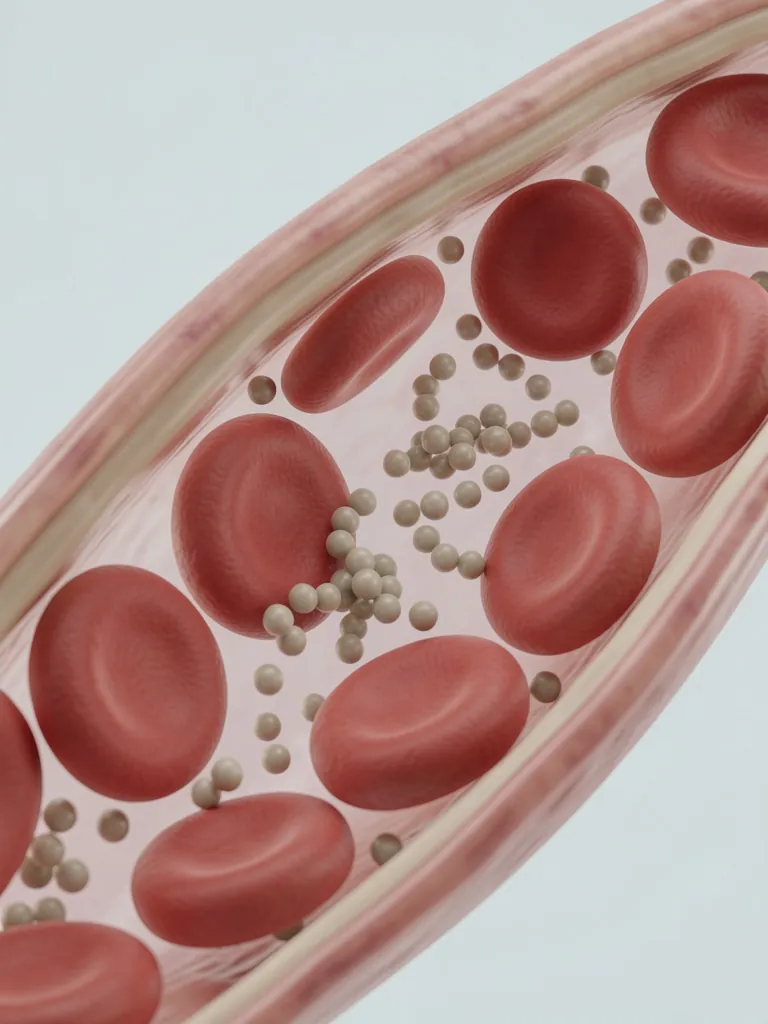
If you have type 2 diabetes, your blood sugar often trends upward after stopping. Ozempic lowers glucose as part of its effect. Once the medicine is gone, your HbA1c and daily readings usually drift back toward your prior levels unless another glucose-lowering strategy is started.
Most of my patients are surprised by how quickly they notice changes. Your sugar [blood glucose] can begin to creep up before you feel any symptoms. That is why I ask people to check at home more often in the weeks after stopping, especially before and after the main meal in the evening. If you are on insulin or sulfonylurea medicine, do not stop or change those drugs on your own. Never stop insulin without your doctor.
How long does Ozempic stay in your system?
Semaglutide, the active medicine in Ozempic, has a long half-life. In practical terms it can take several weeks to clear from the body. A typical figure to remember is about five weeks to wash out, but the effect on appetite can wear off sooner for many people.
For some patients the full appetite returns within about a week of the last dose. That mismatch matters because cravings and hunger may arrive before the drug is fully cleared, and those early weeks are when weight regain often starts. Plan your meals, shopping, and supports before the last dose wears off.
Does Ozempic cause withdrawal symptoms?
No. Ozempic does not cause classic chemical withdrawal like addictive drugs do. I will be honest, the sudden return of appetite and cravings can feel like withdrawal to a patient. Saying “is this withdrawal?” is a common question I hear in clinic, and the answer I give is that you are experiencing a loss of the medicine’s appetite control rather than an addiction syndrome.
That distinction matters because it changes what we do next. The feeling of being out of control around food is expected and real, but it is managed by planning, monitoring, and, if needed, restarting treatment or switching strategies under supervision.
The readings and symptoms that make me see you this week
Book an appointment soon if you notice any sustained changes in your home measurements or the way you feel. Below are the common reasons I want to see someone within days to a couple of weeks after stopping Ozempic.
- Book an appointment soon if your home glucose readings are consistently higher than your recent pattern, you are gaining several kilograms over a few weeks, or your appetite has returned so strongly that you cannot control portions despite trying basic strategies.
- Go to emergency now if you develop severe nausea, vomiting, confusion, difficulty breathing, or the sudden inability to stay awake. Also seek urgent care if you have very fast breathing, persistent high fever, or any sign of severe dehydration. If you are on insulin, contact emergency services for symptoms of very high or very low sugar.
I have been wrong about this in individual patients, which is why I test instead of assume. If you tell me you are struggling, I prefer to see your readings and adjust the plan rather than guess what happened.
What to track in the four weeks after your last dose
This short list is what I want on my phone when you come in. It helps me make a quick, useful plan without starting from scratch.
- Daily home glucose checks, including a fasting reading before Fajr if you are fasting, and an evening reading after your main meal for the first two weeks.
- Body weight recorded once a week on the same scale and time of day.
- A short note about appetite and cravings each day. Write “much higher,” “same,” or “less” next to each day.
- A list of the medicines you take for diabetes, blood pressure, or kidney problems, and whether you missed any doses.
- Three questions you want me to answer in the appointment, for example about restarting treatment, alternative medicines, or meal strategies during family meals and weddings.
- Note if Ramadan, a wedding, or a trip is coming up so we can plan timing for monitoring and meals.
Earlier in my career the standard advice was different. The evidence moved, and so did we. Now I plan the next step before the last dose wears off because the rebound often starts sooner than people expect.
Bring recent home readings and any reports
Bring your most recent glucose logs, the last two weight entries, and a short note about appetite changes. That gives me what I need to decide whether to replace Ozempic, change other medicines, or focus on meal and behaviour support for the weeks ahead.
If you want a one-sentence rule I use, it is this. I would rather see a slightly imperfect plan you actually follow than a perfect one you abandon by Thursday. When you come, I will review the numbers and discuss the trade-offs with you. I have spent over twenty one years treating diabetes and hormone conditions. If you would like a personal assessment I see these cases at my clinic and I can help you weigh the options in person.
Questions people ask me about stopping Ozempic
Can I stop Ozempic suddenly?
Yes, you can stop suddenly in the sense that the drug does not cause classic withdrawal. That said, stopping without a plan is risky because appetite and blood glucose can change quickly. If you are on insulin or other glucose-lowering drugs, do not stop or alter them without a direct plan from me or another doctor.
Can you restart Ozempic after stopping?
Yes, restarting is possible. Restarting should be clinician-guided. If you stopped because of side effects or cost, tell me why so we can choose the safest way back or an alternative that suits you.
Will the heart and kidney benefits go away if I stop?
Those benefits are tied to the continued effect of the medicine and to the weight and glucose control it helps produce. If weight and sugar come back after stopping, the protective effect is likely to reduce. For patients with existing heart or kidney disease, I do not advise stopping without arranging a replacement approach.
Most of my patients are surprised when I tell them this. If stopping is because of cost, a gap in supply, or worry about long-term use, we can discuss alternatives such as lifestyle supports, a different medication chosen after assessment, or a plan to reintroduce therapy under supervision.

Dr. Rizwan Niazi
Dr. Rizwan Niazi is a consultant endocrinologist and diabetologist in DHA Lahore with more than 21 years of experience. He holds MBBS, MRCP, MCPS and MD Endocrinology, and his clinic work covers medical weight loss, diabetes, thyroid and hormone disorders, and PCOS. He writes these articles to answer the questions patients actually ask him in clinic.