

If your fasting sugar came back at 110 mg/dL and nobody explained what it means, here is the plain answer. For screening, a fasting blood sugar under 100 mg/dL is normal, 100 to 125 mg/dL is called prediabetes, and 126 mg/dL or higher suggests diabetes if confirmed on a repeat test. An A1c under 5.7% is normal, 5.7% to 6.4% is prediabetes, and 6.5% or higher indicates diabetes. Two hours after a meal, people without diabetes are usually under 140 mg/dL, while people treated for diabetes commonly aim for under 180 mg/dL two hours after food. I will explain what each test means and what to do next.
In This Article
What is a normal sugar level?
When patients hand me a lab slip the first thing they want is one clear number. For screening, remember this: a fasting blood sugar under 100 mg/dL is normal, 100 to 125 mg/dL is called prediabetes, and 126 mg/dL or higher suggests diabetes on a repeat test. Two other tests ask different questions, and I will explain them below.
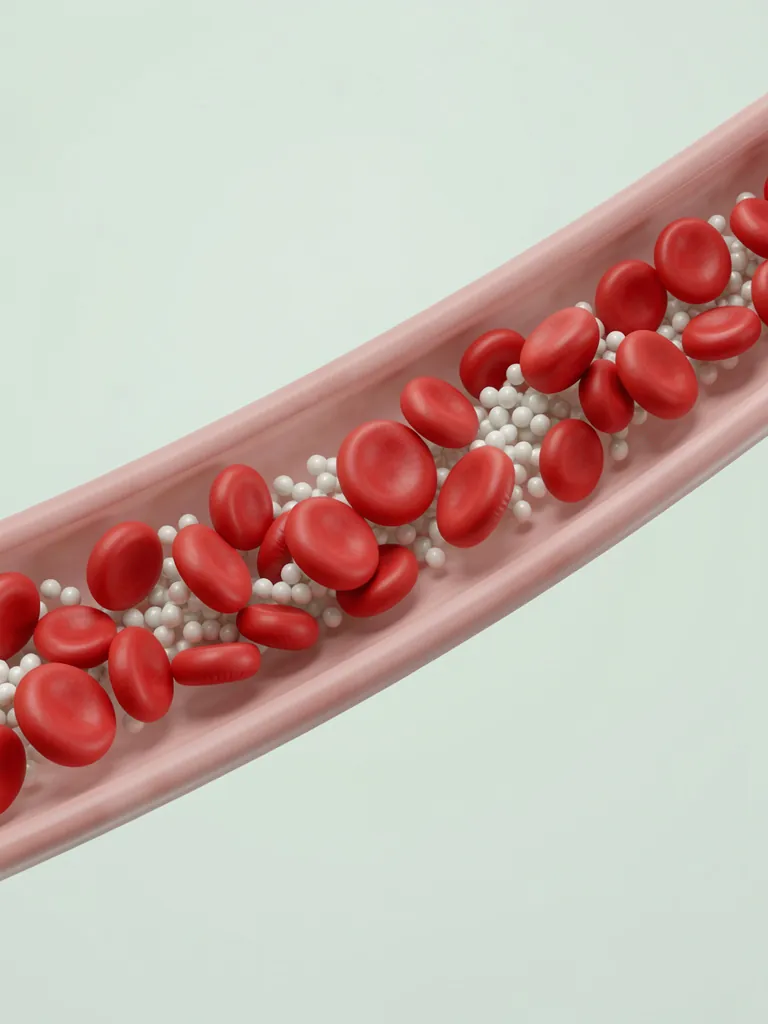
A pattern I see in clinic almost every week is this. Someone has a single borderline result and then spends days worrying. One high number is often noise, temporary change, or a lab variation. I tell my own patients that we treat patterns, not single snapshots.
I think most people check their sugar far more often than they need to, and at the wrong times. If you are screening and you do a fasting test, it gives a simple baseline. If the fasting value is high on a repeat test, then we look at A1c and sometimes a two-hour glucose test to confirm the diagnosis.
What is the normal sugar level after eating?
People often say, “My sugar is normal in the morning but high after food.” That is a very common and important problem. For people without diabetes, a two-hour post-meal glucose under 140 mg/dL is usually considered normal. For people already being treated for diabetes, a common target is under 180 mg/dL about two hours after a meal.
Why does this matter? The fasting number can look fine while your blood sugar spikes after chai and biscuits at the office. Those post-meal spikes are meaningful because they contribute to long term risk even when the morning number is okay.
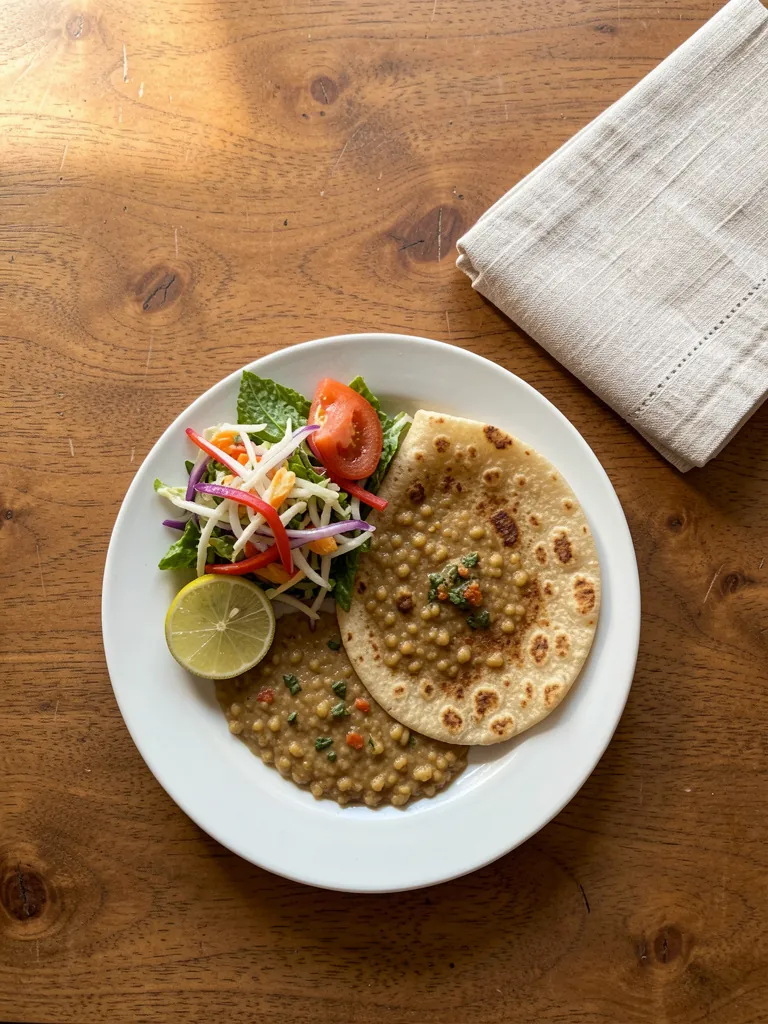
Fruit chaat assumed to be automatically safe is one of the real-life moments I see. Small changes at the meal that the whole family accepts often make the biggest difference to after-meal spikes. If your after-meal numbers are high, bring a short log of the meals you eat that day and the times you checked your sugar.
Is 110 fasting sugar normal?
Short answer. A fasting result of 110 mg/dL falls inside the prediabetes range, not the normal range. Prediabetes means your numbers are higher than ideal and that lifestyle changes or monitoring are needed. It does not mean you have diabetes right now.
When families come in together, this is usually their first question. They want to know if a single 110 means something dramatic. Most of the time it means watch and repeat. I have been wrong about this in individual patients, which is why I test instead of assume. We confirm before making a firm diagnosis.
What A1c is normal?
A1c measures the average blood glucose over roughly two to three months. An A1c under 5.7% is normal. An A1c between 5.7% and 6.4% is labelled prediabetes. An A1c of 6.5% or higher suggests diabetes if confirmed on a repeat test.
The average can hide the spikes. That is why I ask patients to show both their A1c and any home readings. Someone can have an A1c that looks near normal while still having high peaks after meals. We use both pieces of information together.
What sugar level is dangerous?
Danger comes in two directions. Very low sugar is urgent, and very high sugar with severe symptoms is an emergency. For low sugar, a common threshold for concern in many adults is 70 mg/dL or lower. Symptoms such as shakiness, sweating, confusion, or inability to wake are reasons to treat immediately.
On the high side, a random blood sugar of 200 mg/dL or higher often indicates diabetes, but the diagnosis depends on timing and symptoms. If you have very high numbers plus vomiting, severe breathlessness, confusion or are unable to keep fluids down, that is emergency care. Otherwise, a high reading usually prompts repeat testing before a diagnosis.

The research on this is thinner than I would like when it comes to how worried people should be after one high home reading. My practical approach is simple. If the number is mildly high and you feel fine, repeat it in the right context. If the number is clearly very high or you have worrying symptoms, get urgent help.
When your readings mean book an appointment
Book an appointment soon if you have persistent fasting readings in the 100 to 125 mg/dL range, an A1c in the 5.7% to 6.4% range, or repeated two-hour post-meal numbers over 140 mg/dL when you are not being treated. Bring a short log of the times you ate and the readings you took.
Book an appointment soon if:
Go to emergency now if:
- Your fasting sugar is 100 to 125 mg/dL on repeat tests.
- Your A1c is 5.7% to 6.4% or higher and you want a clear plan.
- Your sugar is over 300 mg/dL and you are vomiting, confused, or very short of breath.
- You are sweating, shaking, confused, or cannot swallow and your sugar is 70 mg/dL or lower.
When you are using insulin or sulfonylureas, do not stop them without a clear plan. Never stop insulin without your doctor.
Bring your reports and questions
Bring the lab reports, the home meter log, and a short list of the foods you eat at sehri and iftar if you are fasting for Ramadan. That helps me see the pattern quickly and makes the appointment much more useful. If you have load shedding concerns for keeping insulin cold or are worried about the chai and biscuit rounds at work, mention them.
Here is what I actually tell my own patients. If your numbers are borderline we repeat the test and look at the A1c. If lifestyle changes are needed, we start with one or two achievable actions rather than a long list that nobody follows. Medicine does not have a neat answer here yet, and I would rather tell you that than pretend.
If you would like a personal assessment, I have spent over twenty one years treating diabetes and hormone conditions and I assess these cases in clinic.
Questions people ask after a high reading
Can one high sugar reading mean diabetes?
Usually no. Most diagnoses need confirmation on a second test unless you have classic symptoms of diabetes such as extreme thirst, frequent urination, and sudden weight loss. One high home reading can be caused by timing, a recent meal, illness, or meter variability.
Do I have diabetes if my A1c is 6.0?
An A1c of 6.0% falls in the prediabetes range. It does not automatically mean diabetes. It does mean we should discuss steps to lower the number and prevent progression, and we may repeat the test or do additional testing to be sure.
Is prediabetes reversible?
Prediabetes is a warning sign and many people move back to normal ranges with sustained lifestyle changes. That is common, but it is not guaranteed, and the right approach depends on your pattern of numbers, your weight, and other health factors.

Dr. Rizwan Niazi
Dr. Rizwan Niazi is a consultant endocrinologist and diabetologist in DHA Lahore with more than 21 years of experience. He holds MBBS, MRCP, MCPS and MD Endocrinology, and his clinic work covers medical weight loss, diabetes, thyroid and hormone disorders, and PCOS. He writes these articles to answer the questions patients actually ask him in clinic.