
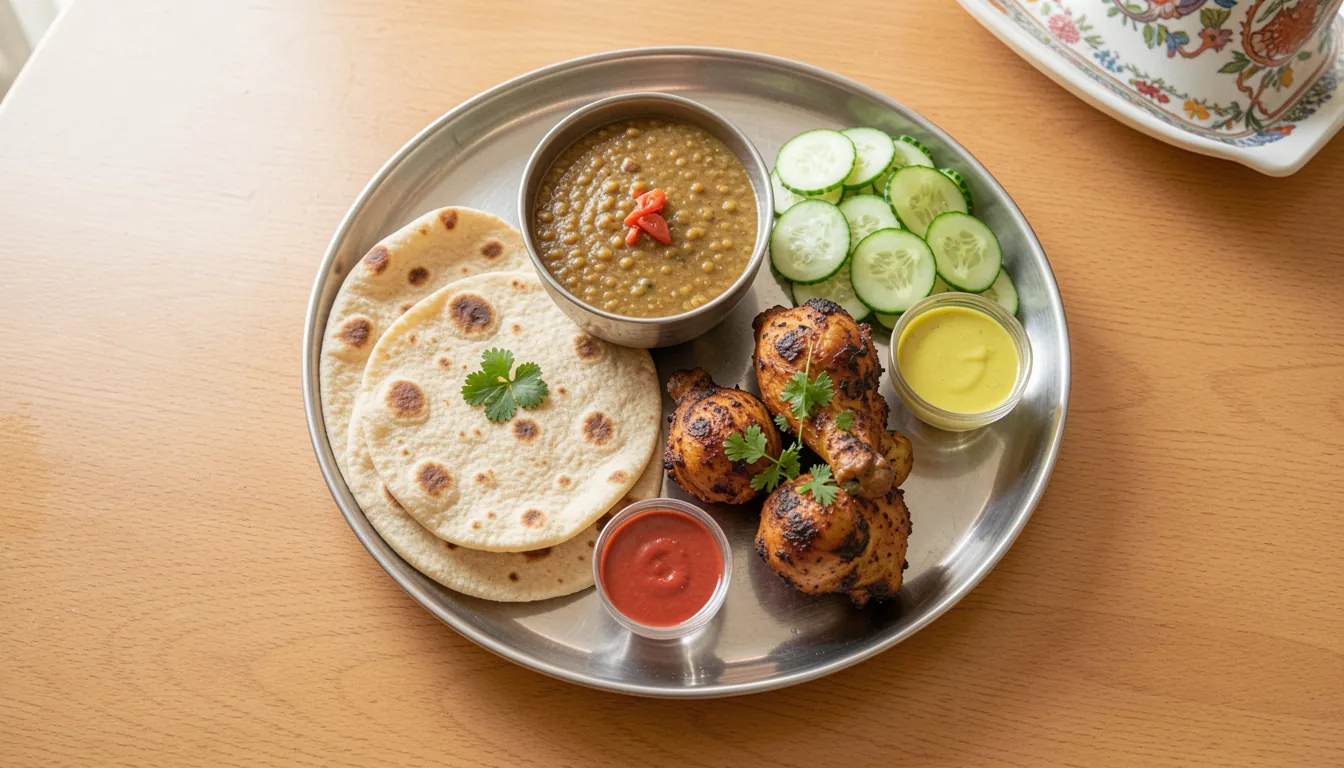
Half your plate as nonstarchy vegetables, one quarter as lean protein, and one quarter as a carbohydrate is the simplest diabetic diet plan that actually works in day to day life. If you want a plain answer in one sentence: build your plate that way, choose high fiber carbs like lentils and whole grains, skip sugary drinks, and keep regular meal spacing so your blood glucose has time to fall between meals. I treat type 2 diabetes and prediabetes every week. I will be honest, the plan must be adjusted for medicines, kidney problems, pregnancy, and for people who use insulin.
In This Article
- What is the best diet plan for diabetics?
- What is the plate method for diabetes?
- What foods should diabetics avoid?
- Can diabetics eat rice?
- How many carbs should a diabetic eat per meal?
- Numbers that change my advice from later to now
- What to track for the two weeks before your appointment
- Bring the reports, not just the questions
- Questions patients ask me after we cover food
What is the best diet plan for diabetics?
Short answer first. The best diabetic diet plan is not a single rule book you find online. For most adults with type 2 diabetes or prediabetes the simplest start is a balanced plate, higher in nonstarchy vegetables, with controlled portion sizes of carbohydrate and a source of protein at each meal. This pattern lowers post-meal glucose rises, supports fullness, and fits roti, rice, and daal without dramatic restriction.
Most of my patients are surprised when I tell them this. I see the same frustration repeatedly: “My doctor said just cut sugar, but what else do I eat?” That sentence captures why people leave clinic confused. Telling someone only to stop sugar is not enough. The plate approach gives a practical image you can use at home and at a wedding.
I will be honest, the plan must be adjusted by kidney function, pregnancy, and when someone is using insulin. If you use insulin or medicines that can cause low blood sugar, timing and portions become medical issues to coordinate with your prescriptions. never stop insulin without your doctor.
What is the plate method for diabetes?
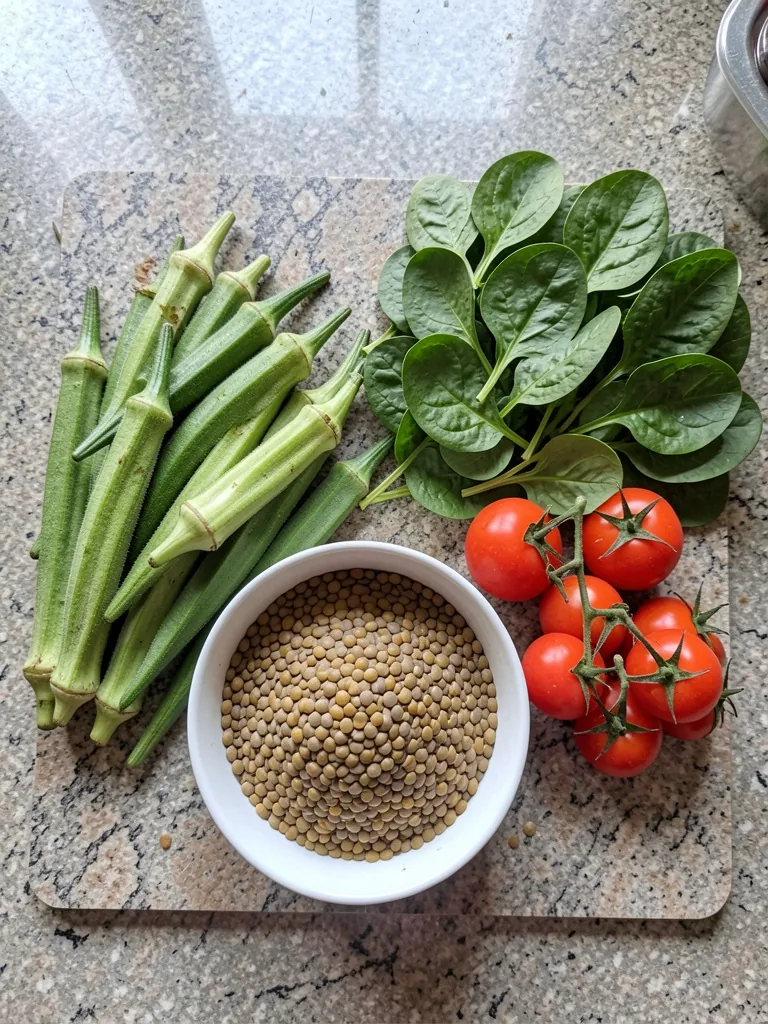
The plate method is a simple visual rule. Use a roughly 9-inch plate. Fill half with nonstarchy vegetables like spinach, salad, okra, cauliflower, or cooked greens. Fill one quarter with lean protein such as chicken, egg, paneer in moderation, or lentils. Fill the remaining quarter with your carbohydrate portion, such as a small roti, a scoop of rice, or a small serving of whole grains. Saying it this way makes it easy to stop guessing at portions.
A pattern I see in clinic almost every week is this. Families try to halve carbs across the week and fail because they were not working from the plate image. The plate method turns abstract rules into something the cook in a joint family can follow at the stove.
Use the plate, not perfection. If you have a heavy guest meal or an Eid dawat, return to the plate at the next meal. For many people, that one visual change is the most sustainable improvement.
What foods should diabetics avoid?
Start with the easy wins. The highest impact items to cut are sugary drinks and fruit juice. Liquid sugar raises blood glucose quickly and gives poor fullness. Next, limit sweets, fried foods, and large servings of refined grains such as white bread, white rice, and overlarge rotis. Sauces and shop-bought pickles can hide sugar and salt, so be cautious.
I have been wrong about this in individual patients when I assumed they already knew to cut juice. Many people think fruit juice is safe because it is “natural.” Fruit juice is still concentrated carbohydrate and acts very much like a sugary drink. Fruit chaat assumed to be automatically safe is another common misbelief. Whole fruit is better because fiber slows absorption.
If you are trying to reduce calories, healthy fats like nuts or avocado help satiety, but fats carry calories too and are not unlimited. Most people do better by focusing on plate balance first, then trimming fats if weight loss is needed.

Can diabetics eat rice?
Yes, rice and roti can fit into a diabetic meal plan. The question is how much and which type. Whole grain or minimally processed options like brown rice or barley slow glucose rise more than polished white rice. Portion size is the key issue at a family meal. The roti portion negotiation at home is where this advice matters most.
Nine times out of ten the real issue turns out to be portions and drinks. A large plate of rice paired with a sweet drink will spike blood sugar far more than a smaller portion of rice with a salad and protein. If you cannot change the food on the table, change the portion on the plate or ask for half to be packed to go at a wedding.
How many carbs should a diabetic eat per meal?
There is no single number that fits everyone. For a concrete starting point, some sample meal plans use about 30 grams of carbohydrate at breakfast and 30 to 40 grams at lunch and dinner. Use those numbers only as a starting guide, not a rule to follow without adjustment. Your doctor or dietitian will change them based on your weight goals, medications, and activity.
One helpful image is that the quarter of the plate that holds carbohydrate often equals about the sample amounts above when the plate is 9 inches. If you use insulin or sulfonylurea medicines, large or sudden cuts in carbohydrates can change how your medicines behave. If you are on those drugs, coordinate any big diet change with the prescriber. never stop insulin without your doctor.
Numbers that change my advice from later to now
Book an appointment soon if these apply to you. If your fasting glucose readings or a recent HbA1c are drifting up despite modest diet changes, I want to see the pattern and medications. When families come in together, this is usually their first question and it helps me make a clear plan for the household cooking.
Go to emergency now if you are dizzy, vomiting, confused, breathing fast, or your reading crosses very high values and you cannot keep fluids down. Those are urgent signs that need immediate care. I say this plainly because numbers tell a story and symptoms tell me how fast the story is moving.
The single most misunderstood part of the whole thing is thinking diet alone will fix every number quickly. That can happen for some, but often we need to adjust medicines, timing, or treat another condition. Most of my patients are surprised when I tell them that the food pattern and the medicines must match to work together.
Below I list what I want you to track before we meet so the visit is efficient and useful.
- Book an appointment soon if your reports show steadily rising fasting or post-meal numbers over recent tests, if you notice frequent high readings after lunch, or if you start new medicines you were not on before.
- Go to emergency now if you have severe symptoms such as confusion, repeated vomiting, shortness of breath, or if your home reading is over 300 mg/dL and you feel unwell.
What to track for the two weeks before your appointment
Write down simple facts on your phone or a small notebook so I can see patterns quickly. I would rather you walk into clinic with real, honest numbers than with a polished story you think I want to hear. I would take a patient who reports honestly over one whose numbers look tidy.
- Home glucose readings: fasting and a one or two hour reading after the meal you find hardest to control for two weeks.
- What you ate at that meal in plain words, for example “one large roti, half cup rice, daal, salad, 1 cup chai with sugar”.
- Any episodes of low blood sugar and how you treated them.
- Which diabetes medicines you take, the times you take them, and any changes in dose in the last three months.
- Weight in kg and any recent weight change you noticed.
Bring the reports, not just the questions
Bring your recent lab reports, a list of medications, and the two weeks of home readings described above. If you have an HbA1c report within the last three months, that is very helpful. If you do not have these, bring what you can and we will work from there.
My training and society memberships sit in diabetes and thyroid medicine, and this question lives right in the middle of both. If you would like a focused assessment, I see these cases at my clinic and will review your medicines, diet pattern, and the practical household steps that will make the biggest difference for you.
Questions patients ask me after we cover food
Can diabetics eat fruits?
Yes. Whole fresh fruits are preferred to juice. Whole fruit contains fiber which slows sugar absorption. Watch portion size and avoid fruit juice as a routine drink. If you are unsure about a particular fruit, note it in your food log and we will check how your glucose responds.
What is a healthy breakfast for diabetics?
A breakfast that pairs fiber and protein with a controlled amount of carbohydrate works best. Examples include oats with seeds and a small portion of fruit, or a small roti with eggs and salad. If mornings spike for you, try moving a portion of the carbohydrate to later with protein first and recheck your post-meal reading.
Should diabetics eat every few hours?
Regular meal timing helps many people. Allowing about two to three hours between meals gives blood glucose a chance to fall before the next eat. Grazing all day can keep sugars elevated for longer than people expect. If you are on insulin, spacing meals needs to match your dose timing, so coordinate any change with your doctor.
Most of my patients are surprised when I tell them how ordinary the first step usually is. If you feel hungry after a meal that follows the plate method, try adding a small protein or more nonstarchy vegetables rather than reaching immediately for a sweet. Simple swaps work better long term than dramatic rules that nobody keeps.
If you would like to have me review your case in person, I have spent over twenty one years treating diabetes and hormone conditions and I assess these cases personally at my clinic in DHA Lahore. Bring your reports and the short food log and we will make a plan that fits your family meals and your medicines.

Dr. Rizwan Niazi
Dr. Rizwan Niazi is a consultant endocrinologist and diabetologist in DHA Lahore with more than 21 years of experience. He holds MBBS, MRCP, MCPS and MD Endocrinology, and his clinic work covers medical weight loss, diabetes, thyroid and hormone disorders, and PCOS. He writes these articles to answer the questions patients actually ask him in clinic.