
PITUITARY & GROWTH SPECIALIST – DHA LAHORE
Acromegaly occurs when a pituitary tumour produces too much growth hormone, causing gradual changes in hands, feet, and facial features. Early diagnosis saves lives.
ایکرومیگیلی ایک ایسی بیماری ہے جس میں پیٹیوٹری گلینڈ کی رسولی زیادہ گروتھ ہارمون پیدا کرتی ہے، جس سے ہاتھ، پاؤں اور چہرے میں تبدیلیاں آتی ہیں۔ ڈاکٹر رضوان نیازی DHA لاہور میں اس بیماری کی تشخیص اور علاج کرتے ہیں۔
Acromegaly develops slowly – most patients are diagnosed years after symptoms begin. The excess growth hormone (GH) stimulates the liver to produce IGF-1, which drives abnormal growth of bones, soft tissues, and organs.
If untreated, acromegaly significantly increases the risk of diabetes, hypertension, heart disease, and colorectal cancer. Early treatment – surgery, radiation, or medication – can prevent these complications.
A chronic hormonal disorder caused by a non-cancerous pituitary adenoma secreting excess GH.
Symptoms develop gradually and are often missed for years.
Rings no longer fit; shoes need a larger size. Hands and feet grow gradually due to excess GH.
Brow ridge, jaw, and nose enlarge. Teeth may separate. Tongue may thicken.
Most acromegaly patients have obstructive sleep apnoea due to jaw and throat changes.
Cartilage overgrowth causes arthritis-like joint pain, especially in knees and hips.
The pituitary tumour can press on optic nerves, causing headaches and visual field defects.
Excess GH causes insulin resistance. Diabetes develops in up to 25% of acromegaly patients.
Elevated IGF-1 is the primary screening test for acromegaly. A single fasting sample is sufficient.
75g oral glucose normally suppresses GH below 1 ng/mL. Failure to suppress confirms acromegaly.
Gadolinium-enhanced MRI identifies the pituitary adenoma – size determines surgical approach.
Perimetry checks for bitemporal hemianopia if the tumour presses on the optic chiasm.

Acromegaly and GH excess disorders require specialist-level expertise to diagnose and manage. Dr. Rizwan Niazi has over 21 years of experience treating complex hormone conditions including pituitary tumours, IGF-1 excess, and GH abnormalities.
Trans-sphenoidal surgery to remove the pituitary adenoma cures acromegaly in 60-90% of cases where the tumour is localised. Larger or invasive adenomas may need additional medical or radiation therapy.
On average, diagnosis is delayed 7-10 years because symptoms develop slowly. An elevated IGF-1 blood test, available in Lahore, confirms the diagnosis rapidly.
Somatostatin analogues (octreotide, lanreotide) suppress GH secretion. Pegvisomant blocks GH action at receptors. Cabergoline may help in smaller adenomas. Dr. Rizwan selects therapy based on tumour size and IGF-1 levels.
Yes, if untreated. It doubles cardiovascular mortality risk and increases cancer risk. With proper treatment, life expectancy normalises. Early treatment prevents irreversible bone and organ changes.
Acromegaly is caused by a non-cancerous pituitary adenoma that secretes excess growth hormone (GH). The GH stimulates the liver to produce IGF-1, which drives abnormal growth of bones, soft tissues, and organs.
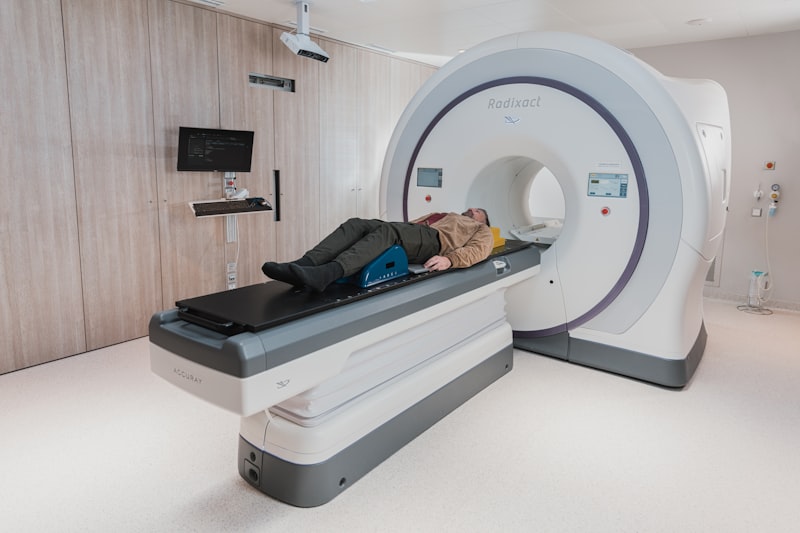
Treatment options include trans-sphenoidal surgery to remove the adenoma, medication (somatostatin analogues, pegvisomant, or cabergoline), and radiation therapy. Early treatment can prevent complications such as diabetes, hypertension, heart disease, and colorectal cancer.
DHA LAHORE
Book a consultation with Dr. Rizwan Niazi for accurate diagnosis and a personalised treatment plan.
Suit# 154 CCA, DD, near Nadra office, Phase 4 Sector DD, DHA Phase 4, Lahore · Mon–Sat, by appointment