THYROID SPECIALIST – DHA LAHORE
Dr. Rizwan Niazi (MBBS, MRCP, MCPS, MD) provides specialist Thyroid Eye Disease care for patients in Lahore, DHA, and across Pakistan. Early treatment protects your vision.
(عام نام: تھائیرائیڈ کی وجہ سے آنکھوں کا باہر نکلنا) یہ بیماری اس وقت ہوتی ہے جب جسم کا مدافعتی نظام آنکھوں کے پیچھے موجود پٹھوں پر حملہ کرتا ہے، جس سے آنکھیں سوج کر باہر نکل آتی ہیں۔ یہ عام طور پر تھائیرائیڈ کے مریضوں میں ہوتی ہے مگر تھائیرائیڈ نارمل ہونے پر بھی ہو سکتی ہے۔ پاکستان میں اسے اکثر آنکھوں کی الرجی یا کمزوری سمجھا جاتا ہے ـ بروقت علاج نہ ہو تو بینائی مستقل متاثر ہو سکتی ہے۔
Graves’ Eye Disease, also called Thyroid Eye Disease (TED), is an autoimmune condition where the body’s immune system attacks the muscles and tissues behind the eyes, causing them to swell and push the eye forward. It is closely linked to thyroid disease (particularly Graves’ disease), but TED can also occur in people whose thyroid hormone levels are completely normal. The condition is driven by specific antibodies in the blood, not just thyroid hormones.
In Pakistan, thyroid disorders affect an estimated 3 to 5% of the population. Despite being common, Graves’ Eye Disease is widely missed at the primary care level. Many patients are told it is allergies or fatigue for months before getting the right diagnosis.
The active phase of the disease typically lasts 12 to 18 months. Permanent damage can occur if it is left untreated during this active phase, but the condition responds well to early specialist treatment.
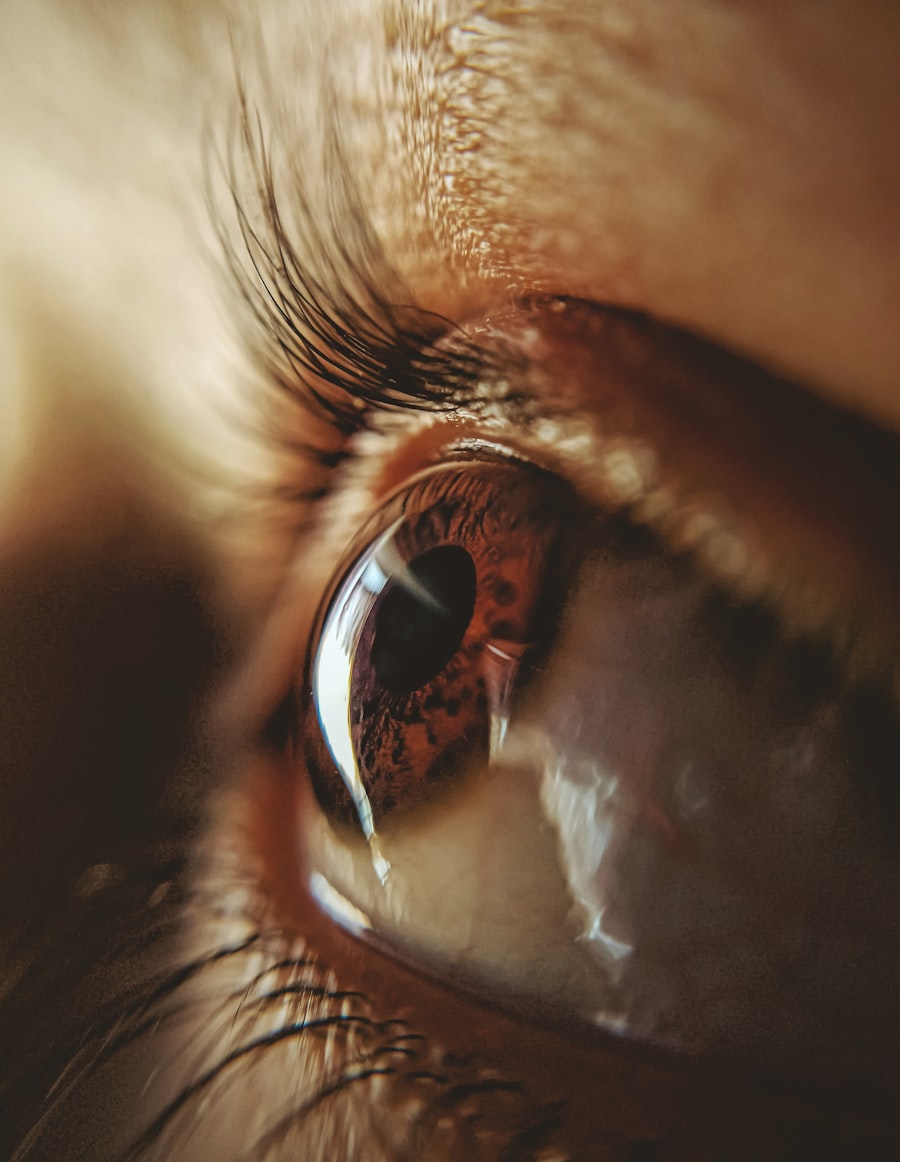
Symptoms can affect one or both eyes and can appear before, during, or after a thyroid diagnosis. Never ignore new eye changes if you have a thyroid condition.
Dry or constantly watery eyes; sensitivity to light; puffy eyelids in the morning; redness of the eyes or eyelids; general pressure or ache behind the eye.
Bulging eyes (one or both); double vision or blurred vision; eye pain that gets worse on movement; eyelids pulling back into a wide staring look; difficulty closing the eye fully.
Sudden change in vision; an eye that will not close at night; an eye becoming red and painful rapidly; vision going blurry or colours fading; rapid increase in eye bulging.
The immune system produces abnormal antibodies that attack both the thyroid gland and the tissues behind your eyes. This causes swelling, scarring, and the forward pushing of the eyeball. It is not caused by something you did, it is an autoimmune reaction.
People diagnosed with Graves’ disease or an overactive thyroid are most at risk of developing TED.
Smoking doubles the risk and makes TED harder to treat, reducing how well anti-inflammatory treatment works.
Women are 5 times more likely to be affected than men.
The 30 to 60 year age group is most commonly affected.
Those with a family history of thyroid autoimmune conditions carry a higher risk.
Patients with poorly controlled thyroid levels are more likely to develop or worsen TED.
At your first appointment, Dr. Rizwan carries out a structured assessment to confirm the diagnosis and determine how active the disease is right now, which decides the treatment.
A full eye check including how far the eye is pushed forward, eye movement, vision, and eyelid position. No referral needed, done at the clinic.
Thyroid function (TSH, T3, T4) plus antibody tests that confirm whether the immune system is attacking eye tissue. These are available at all major labs in Lahore.
Dr. Rizwan uses an internationally validated scoring system (CAS) to measure how active the disease is. This score directly determines whether you need treatment now or careful monitoring.
For moderate or severe cases, an orbital CT or MRI scan gives a detailed picture of the muscles and fat behind the eye and checks if the optic nerve is under pressure.
Treatment depends on how active and how severe the disease is. Dr. Rizwan personalises every treatment plan based on your CAS score, antibody levels, and how your symptoms are affecting daily life.
Focus on protecting the eyes and reducing inflammation: lubricating eye drops to protect the cornea, selenium supplements proven to slow mild TED, UV-protective sunglasses, stopping smoking, tightly controlled thyroid levels, and close monitoring every 3 months with activity scoring.
Anti-inflammatory treatment to stop further damage: anti-inflammatory infusions (gold-standard, given in a clinic setting), tablet-based anti-inflammatory treatment where appropriate, orbital radiotherapy in selected cases, additional immune-modulating treatment for difficult cases, activity scoring every 6 weeks, and eye care coordination with ophthalmology.
If vision is at risk, urgent treatment starts immediately: emergency high-dose treatment to rapidly reduce inflammation, urgent surgical decompression to protect the optic nerve, corneal protection measures, monitoring every few days, and a full team approach with endocrinologist and orbital surgeon.
Once the disease has been fully inactive for 6 months or more, any remaining changes such as eye bulging, double vision, or eyelid position can be corrected with planned surgery, done in sequence and coordinated with specialist eye surgeons in Lahore.
With the right specialist care started early, most patients protect their vision and see real improvement in how their eyes look and feel.
Inflammation stopped before permanent scarring; eye bulging often stabilises or improves; vision protected in the vast majority of patients; dryness and irritation significantly better; surgery may be avoided altogether.
Disease usually becomes inactive within 18 months; some residual eye bulging or double vision may remain; eyelid changes often partially self-correct; corrective surgery addresses remaining issues; regular follow-up catches any reactivation early.
Stop smoking, the biggest thing you can control; keep thyroid levels stable at all times; never miss a follow-up appointment; use eye drops daily even when feeling better; tell Dr. Rizwan immediately if vision changes.
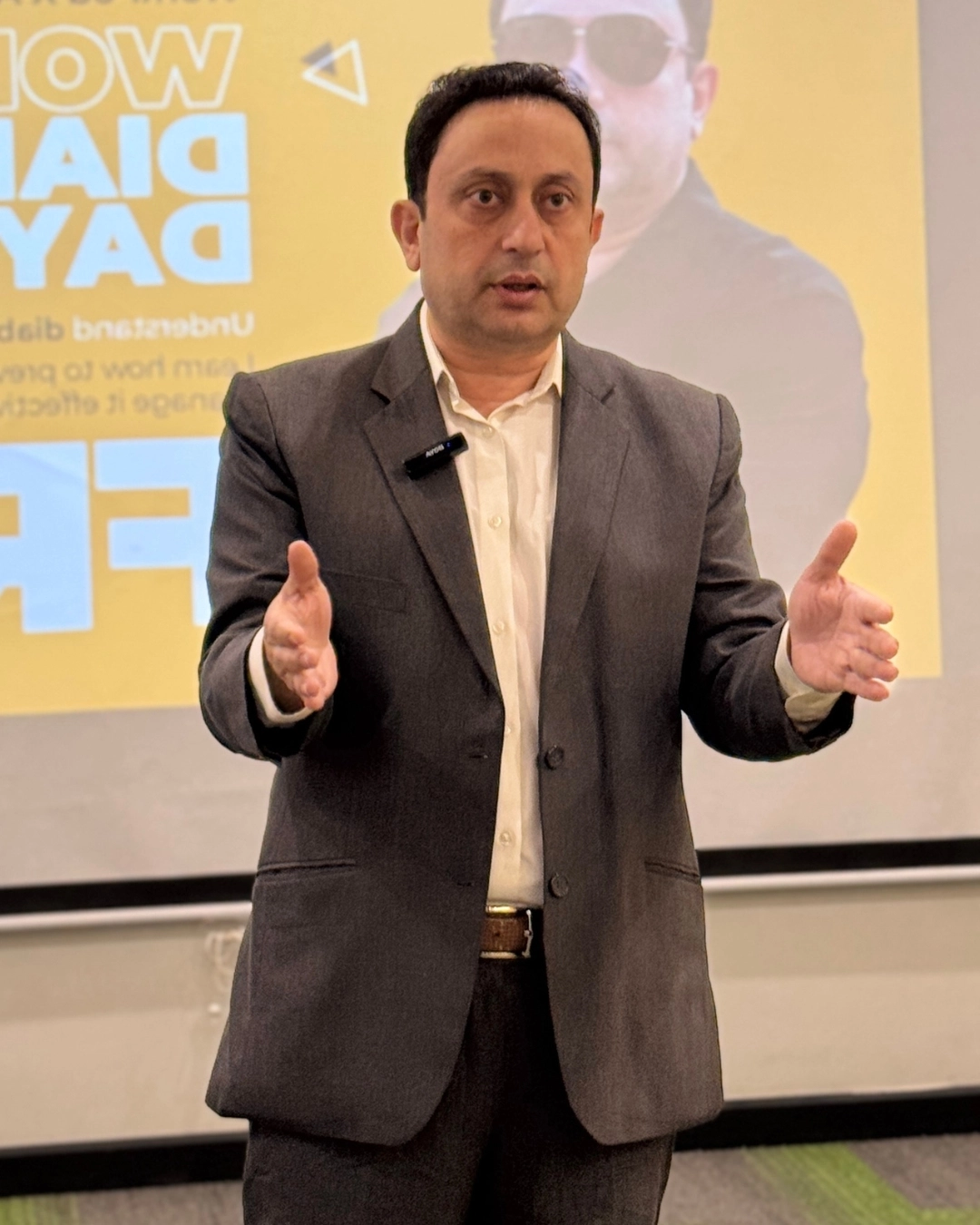
Most thyroid doctors treat the thyroid. Dr. Rizwan goes further, specialising in the complications of thyroid disease, including Graves’ Eye Disease, and has been managing TED patients for over 21 years. While many endocrinologists in Lahore offer general thyroid care, TED requires a completely different approach: regular activity scoring, antibody monitoring, timed treatment, and surgical coordination, all from a single clinic in DHA.
Thyroid disorders affect millions of Pakistanis, yet Graves’ Eye Disease is consistently under-diagnosed at the primary care level. Patients spend months visiting eye doctors for puffy eyes or irritation, never being told their eyes are reacting to a thyroid autoimmune problem. By the time TED is correctly diagnosed, the active phase may already be causing permanent changes to the eye structure. This is why seeing a thyroid specialist who understands TED, not just a general eye doctor, matters so much. Graves’ Eye Disease is a specialist sub-discipline that requires regular activity scoring, specific antibody testing, timed anti-inflammatory treatment, and coordination with orbital surgeons. Dr. Rizwan is one of the very few specialists in Lahore who combines 21+ years of endocrinology experience with dedicated TED expertise, following international EUGOGO guidelines, the same standards used in the UK and Europe.
Graves’ disease causes an overactive thyroid. Graves’ Eye Disease (TED) is a separate autoimmune complication where the immune system attacks the muscles and fat behind the eyes. They share the same root cause, but TED can occur even when your thyroid levels are normal.
Yes, if left untreated, particularly if the optic nerve (the nerve that carries sight) comes under pressure. But with early specialist treatment, the vast majority of patients protect their vision fully. The key is not to wait.
No. TED is driven by specific antibodies in the blood, not just thyroid hormones. It can occur in people with normal thyroid levels. This is why antibody testing is essential, a normal thyroid function test does not rule out TED.
Smoking increases the antibodies that drive TED, makes the disease more severe and harder to treat, and significantly reduces how well anti-inflammatory treatment works. Stopping smoking is the single most important step a patient can take alongside medical treatment.
RAI can trigger or worsen Graves’ Eye Disease, especially if the eye disease is currently active. If RAI is needed, it should be carefully planned alongside eye-protective measures. Dr. Rizwan will advise you on the safest approach for your specific situation.
Dr. Rizwan uses an internationally validated scoring tool called the Clinical Activity Score (CAS) at every appointment. It measures inflammation signs in and around the eye. A score above a certain threshold means active disease that needs treatment now, not watchful waiting.
DHA LAHORE
Book a consultation with Dr. Rizwan Niazi for accurate diagnosis and a personalised treatment plan.
Suit# 154 CCA, DD, near Nadra office, Phase 4 Sector DD, DHA Phase 4, Lahore · Mon–Sat, by appointment