

Many people assume that any bad stomach after a weight loss injection means the drug is harming them. That is not true. The short answer is this: most side effects are stomach related and often settle after the first weeks, while a few specific red flags need prompt attention. Expect nausea, vomiting, diarrhea, constipation, bloating and stomach pain as the common problems. Worry and seek urgent care for severe upper abdominal pain, fever, jaundice, fainting or very low urine output. If you take insulin, do not stop it on your own.
In This Article
- Why nausea is the most common side effect
- When stomach pain is not just a side effect
- Why vomiting and poor intake can strain your kidneys
- What low blood sugar means if you also take insulin
- Why appetite suppression can lead to poor nutrition
- What makes me want to see you in the next seven days
- What to write down before you come in
- Collect your reports and a short symptom diary
- Questions patients ask me after starting these injections
Why nausea is the most common side effect
Gastrointestinal upset is what I see first and most often. In one safety summary for semaglutide, nausea was reported much more than any other symptom, and many lists of side effects put nausea at the top. For many people, nausea, some diarrhea or constipation, and occasional vomiting are the expected early reaction as the gut adjusts.
There is a version of this question I hear from almost every new patient. You will hear people say, “It’s making me feel sick all the time.” I tell them that early nausea is common and that it often eases after a few weeks or after the dose is adjusted. Simple self-care measures usually help while the body adapts.

When stomach pain is not just a side effect
Mild stomach discomfort is common, but certain patterns change the conversation. Severe upper abdominal pain that is persistent, very bad, or that spreads to the back is the warning sign I take seriously because it can be pancreatitis or gallbladder disease. Those problems are rare but serious.
To make this practical, watch for pain that is severe, does not ease with simple measures, or comes with fever, vomiting, or yellowing of the eyes or skin. If that happens, do not wait at home. Pancreatitis is uncommon but potentially dangerous, so prompt assessment is needed.
Why vomiting and poor intake can strain your kidneys
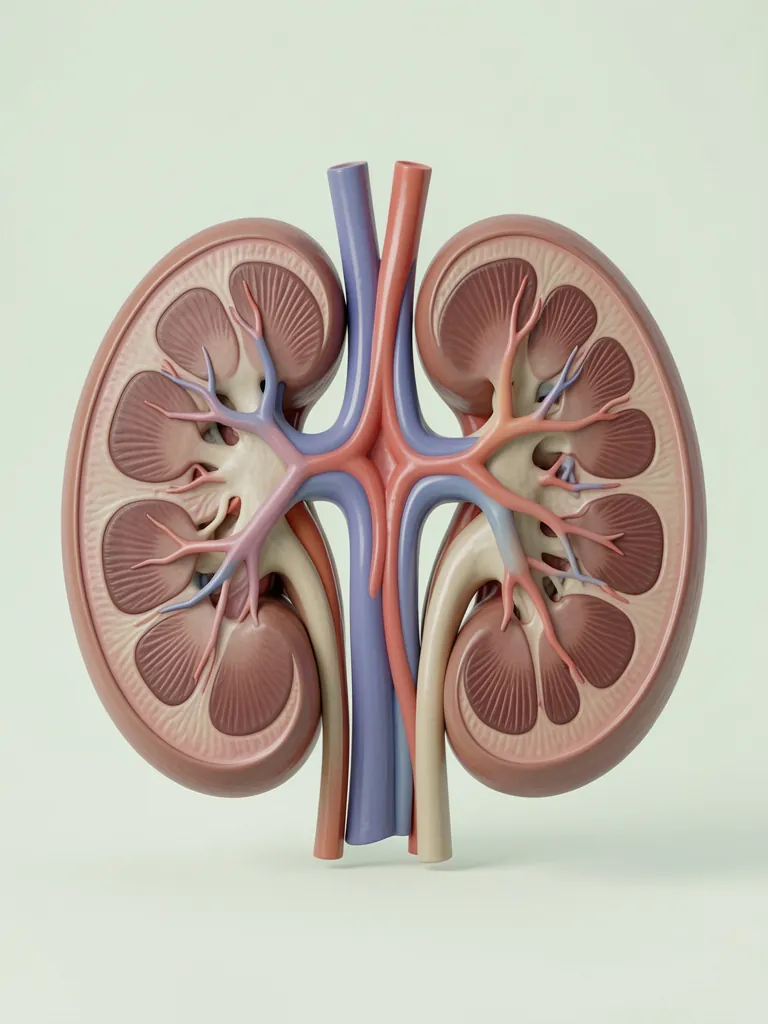
Repeated vomiting or a dramatic drop in how much you are eating and drinking can lead to dehydration. Dehydration shows up as dark urine, passing very little urine, dry mouth, dizziness or fainting. Clinic pages list these as reasons to seek prompt help because dehydration can reduce kidney function quickly.
One clear patient moment I see is when a person fasts for the meal after taraweeh or eats very little at the dawat because they feel no appetite, then they become dizzy the next morning. If your fluid intake is low and you have ongoing vomiting, get medical advice early so we can stop the cycle before the kidneys are affected.
What low blood sugar means if you also take insulin
On its own, the injection is not usually the principal cause of severe hypoglycemia. The risk changes when it is used together with insulin or sulfonylureas. If you are on insulin or a sulfonylurea, that combination requires careful monitoring and often a change in how we manage the other drugs.
If you are using insulin, remember this rule for safety: never stop insulin without your doctor. If you feel shaky, sweaty, confused or very weak, treat low sugar promptly with fast-acting carbohydrate and then tell me so I can adjust your plan. If you wear a glucose meter or a continuous glucose monitor, bring those readings to your visit.
Why appetite suppression can lead to poor nutrition
These injections work partly by reducing appetite. That is useful, but it can backfire when someone stops eating altogether or skips protein. Rapid weight loss can also reduce muscle and bone mass in some people, and the British Heart Foundation notes that poor nutrition is a real risk if intake drops too far.
I will be honest, we do not fully understand why this happens in some people and not others. Some of this is trial and error, and I would rather say that than dress it up. If you are older, frail, or eating only tiny portions, we need to look at protein, small frequent meals, and ways to protect muscle as you lose weight.

What makes me want to see you in the next seven days
Book an appointment soon if you have persistent nausea or vomiting that is stopping you from eating or drinking normally. Also book if you have a new, persistent severe stomach ache that is not improving after a dose change or two, or if you are losing weight much faster than expected and feel weak or dizzy.
Go to emergency now if you have any of these signs: severe upper abdominal pain that radiates to the back, fever with stomach pain, yellow eyes or skin, fainting, confusion, or very little urine output.
- Persistent vomiting or inability to keep fluids down
- Ongoing nausea that prevents normal eating for several days
- Severe, unrelenting upper abdominal pain or pain that moves to the back
- Fever with abdominal pain, or yellowing of eyes or skin
- Fainting, confusion, or very low urine output
What to write down before you come in
- Exact symptoms and when they started, including any vomiting or fainting
- How much you are eating and drinking each day, and if you have noticed dizziness
- All medicines you take for diabetes, especially insulin or sulfonylureas
- Any neck lump, new hoarseness, or difficulty swallowing
- Your recent blood glucose readings if you check at home
- Notes on sleep, recent long fasts such as the meal after taraweeh, and any large social meals where you ate very little
Collect your reports and a short symptom diary
If you decide to come in, bring a short diary of the first two weeks on the injection, noting what you ate, any nausea or vomiting, and your daily fluid intake. Bring your glucose meter readings if you have diabetes and a list of current medicines. This helps me and my team see patterns quickly and make a safe plan.
If you are worried about cost, there are lower cost options for tirzepatide that I discuss with patients, and I will always talk through realistic choices when we meet. In clinic I review whether an injectable is appropriate and which one fits your medical picture.
Questions patients ask me after starting these injections
It’s making me feel sick all the time
Start by telling me how long the nausea has lasted and whether it is worse around meals or at night. Most people notice a reduction in symptoms after the first few weeks or with slower dose increases, but if your vomiting is frequent or you cannot keep fluids down, we need to review it sooner.
How do I know if this pain is dangerous?
Dangerous pain tends to be severe, steady, located high in the abdomen, or it spreads to the back. If pain comes with fever, ongoing vomiting, or yellow skin or eyes, please seek urgent assessment. Do not wait for a routine appointment in those situations.
I’m on diabetes meds too, so am I going to crash low?
If you are taking insulin or a sulfonylurea the risk of low blood sugar is higher when appetite drops. Monitor your sugar more closely for the first two weeks and bring any low readings to my attention. never stop insulin without your doctor, and tell me about any severe low readings so we can adjust safely.
Bring your notes and we will review them together
Bring your short diary, medicine list and recent glucose readings to the appointment so we can make a quick, safe plan together. I have spent over twenty one years treating diabetes and hormone conditions. If you would like a personal assessment, my clinic can review whether an injectable is appropriate and which option is safest for you.

Dr. Rizwan Niazi
Dr. Rizwan Niazi is a consultant endocrinologist and diabetologist in DHA Lahore with more than 21 years of experience. He holds MBBS, MRCP, MCPS and MD Endocrinology, and his clinic work covers medical weight loss, diabetes, thyroid and hormone disorders, and PCOS. He writes these articles to answer the questions patients actually ask him in clinic.