

Losing weight with PCOS is possible. In most women a modest loss of about 5 percent of your body weight often starts to improve ovulation, menstrual regularity and insulin sensitivity. I see this in clinic every week. PCOS does make weight loss feel harder at times because of insulin resistance, appetite signals and sleep or stress patterns, but the first useful goal is small and achievable. Below I will explain why it feels stubborn, how much loss typically helps, what actually works in real life, and when you should see me in person.
In This Article
- How can I lose weight fast with PCOS?
- Can PCOS make it hard to lose weight?
- What is the best diet for PCOS weight loss?
- How much weight do I need to lose to fix PCOS?
- Do GLP 1 medications help PCOS weight loss?
- When to book an appointment for PCOS and weight
- What to write down before your appointment
- Bring your cycle log and one clear goal
- Questions patients ask me about PCOS and weight
How can I lose weight fast with PCOS?
Fast weight loss is possible, but the path depends on what you mean by fast. Very low calorie programmes under medical supervision can produce rapid short term loss. Some patients in clinics have lost over 15 percent of body weight quickly when they joined a supervised very low energy plan, but those programmes need close follow up and a plan for keeping the loss off.
If your priority is fertility or getting regular cycles quickly, a focused plan that aims for steady weekly loss and close monitoring is safer than abrupt dieting. Nine out of 15 women in a small programme ovulated after a targeted plan reached about 10 percent weight loss. That is a real result, but it came from a small study so I treat it with caution and use it only as one part of counselling.

Can PCOS make it hard to lose weight?
Yes and no. PCOS does not make weight loss impossible. I tell patients that the condition creates more resistance in the system, so a generic plan often needs stronger structure to work. A systematic comparison showed no big difference in response to structured interventions between women with and without PCOS. The problem I see in clinic is not inability. It is that insulin resistance, sleep disruption, and appetite signals together make consistency harder.
“My weight just won’t budge no matter what I do” is something I hear a lot. The people who do best with this tend to do one thing differently. They build a plan they can repeat when life is busy, not a plan that works only when everything is perfect. I have watched this go wrong the same way many times. Busy months, weddings, Eid and three straight days of heavy food can blow a carefully counted plan off course unless you build in a reset strategy.
What is the best diet for PCOS weight loss?
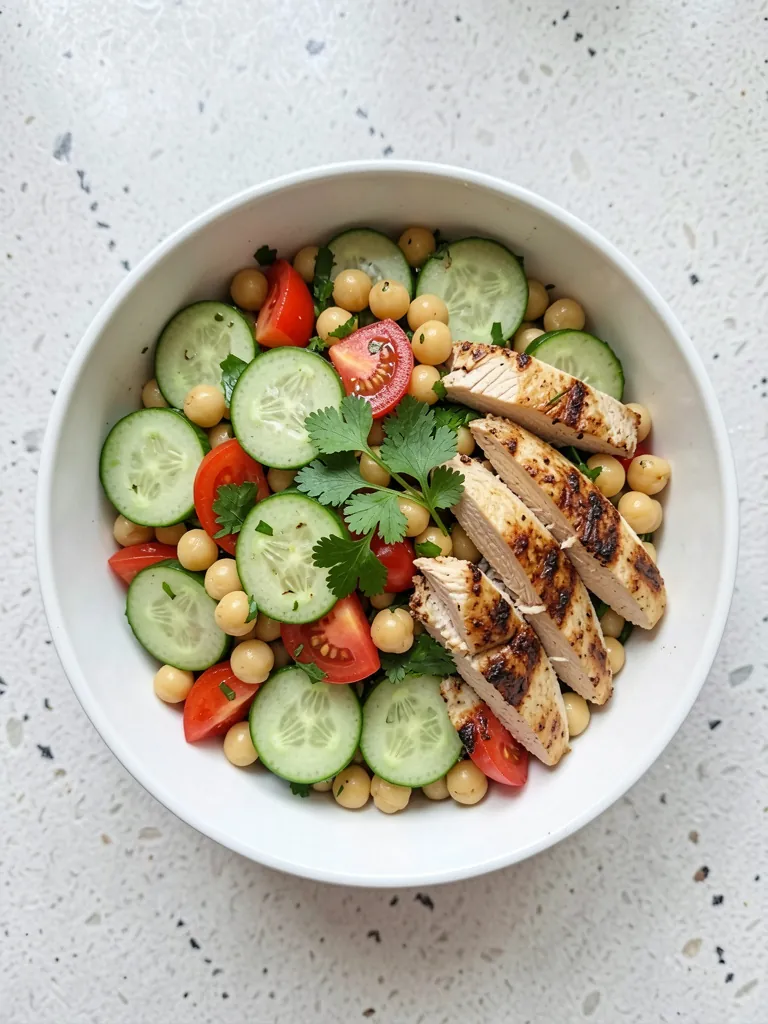
There is no single best diet for everyone with PCOS. The consistent finding across trials is that structure and support matter more than the exact macronutrient split. That means a calorie-controlled plan with clear meal patterns, protein at main meals, and realistic carbohydrate portions often works well, especially when paired with behavioural support such as brief coaching or reminders.
If you have a joint family kitchen or household help cooking with a heavy hand of oil, practical swaps and portion talks are more useful than a strict food rule. I would rather see a slightly imperfect plan you actually follow than a perfect one you abandon by Thursday. Many patients are also pushed into repeated short-term diets by family WhatsApp messages about herbal cures. I will be honest with you. those messages rarely help and they never replace a structured plan.
How much weight do I need to lose to fix PCOS?
Fix is the wrong word to expect. Treat is a better one. The first realistic treatment target I give most patients is about 5 percent of their starting body weight. That amount often improves ovulation, menstrual regularity and insulin sensitivity. Think of 5 percent as a treatment dose rather than a cosmetic number. If you weigh 80 kg, that is not an impossible target and it is a meaningful change for hormones and cycles.
Bigger losses usually help more, and some programmes show greater fertility response around 10 percent. At the same time, larger short-term programmes carry higher dropout and regain risk if there is no maintenance plan. A common frustration I hear is “I can lose a little, then it comes right back.” That is real. The data on lifestyle programmes show wide ranges of loss and dropout. Expect progress in steps and plan for maintenance from the start.
Do GLP 1 medications help PCOS weight loss?
GLP 1 receptor agonists and the newer tirzepatide class are active areas of study for weight in people with PCOS. The evidence is still developing specifically for PCOS outcomes. In general practice these medicines are prescription treatments for weight and metabolic care that a specialist considers when lifestyle alone is not enough.
About the medicines I prescribe at my clinic. Ozempic is a diabetes medication and I use it for blood glucose control. Mounjaro is currently the strongest available weight-loss injection and it is also a diabetes treatment. These options require a careful specialist assessment, discussion about pregnancy planning, and a plan for monitoring side effects. Never stop insulin without your doctor. I assess and prescribe these medicines at my clinic only after a face to face review.

When to book an appointment for PCOS and weight
Book an appointment soon if you have any of the following and want a plan tailored to PCOS and weight.
Go to emergency now if any of the following occur.
- You are trying to get pregnant and want to know whether weight change will help your cycles or ovulation.
- You have had progressive weight gain despite following a reasonable diet and activity plan for several months.
- Your periods are irregular and you have symptoms such as increasing facial hair, sudden weight gain, or fasting glucose or HbA1c changes that worry you.
- You develop severe abdominal pain, fainting, confusion, or a very high blood glucose reading and vomiting.
- You are taking insulin and feel dizzy, confused or have a seizure. Those signs need immediate emergency care.
What to write down before your appointment
- Two to three months of cycle dates and whether you had spotting, heavy flow, or missed periods.
- A list of current medicines and supplements, and any recent blood test results you have, including fasting glucose.
- A realistic three day food pattern that shows what you actually eat on work and non-work days.
- Your sleep and stress pattern, and whether you have noticed big appetite swings or night eating.
- One clear, achievable goal to discuss, for example: lose 5 percent to try to restart ovulation, or improve fasting sugar control.
Bring your cycle log and one clear goal
Bring your cycle dates, recent reports, and the one goal you want me to help with. If your aim is fertility we will include that in the plan from the start. If your aim is reducing abdominal fat or improving insulin resistance we will set a modest first target and build measurable steps. As a Consultant Endocrinologist and Diabetologist in Lahore, this is most of what I do.
Questions patients ask me about PCOS and weight
Can you lose weight with PCOS without medication?
Yes, many people lose weight without medication when they join structured programmes with support. The data show that structured lifestyle programmes improve insulin resistance and menstrual frequency compared with usual care. If lifestyle alone is not working, we discuss other options together.
Will losing 5 percent of my weight help PCOS?
For many women a loss of about 5 percent of body weight is enough to start improving ovulation, hormone markers and insulin sensitivity. Think of that figure as a first clinical target. It is small enough to be realistic and large enough to change symptoms for many people.
Does metformin help with PCOS weight loss?
Metformin is commonly used for insulin resistance in PCOS and it can support weight management in some people, but it is not a standalone solution for weight loss. It is one tool among others and its use depends on your glucose status, fertility plans, and tolerance of the medicine. We always test and monitor when starting any medicine.
I would rather admit the limit of what I know than send you home with false certainty. This part frustrates me too, and I say that as the person holding the prescription pad. If your last attempt left you burned out, you are not alone. The people who do best with these changes tend to plan for real life, not perfection, and they ask for help early when a first plan stalls.
If you want a practical next step, bring two months of cycle dates and any recent fasting glucose report to your appointment. I will look at those with you and help set a first target that matches your fertility, metabolic and family needs. As a Consultant Endocrinologist and Diabetologist in Lahore, I assess these cases personally and welcome you to book a time so we can make a realistic plan together.

Dr. Rizwan Niazi
Dr. Rizwan Niazi is a consultant endocrinologist and diabetologist in DHA Lahore with more than 21 years of experience. He holds MBBS, MRCP, MCPS and MD Endocrinology, and his clinic work covers medical weight loss, diabetes, thyroid and hormone disorders, and PCOS. He writes these articles to answer the questions patients actually ask him in clinic.