I will be blunt. There is no single magic PCOS diet, and crash diets do more harm than good. The plan that most reliably helps weight, menstrual regularity, and insulin resistance is a practical, calorie-conscious way of eating made from high-fiber, low glycemic load foods. In practice that means a DASH or Mediterranean style pattern adapted to local foods, with portion control that can produce a steady energy deficit and modest weight loss so ovulation and insulin handling improve.
In This Article
- What is the best diet for PCOS?
- Can PCOS be cured by diet?
- Is low carb diet good for PCOS?
- How much weight loss helps PCOS?
- What foods should I avoid with PCOS?
- When to book a clinic visit for PCOS symptoms
- What to bring in the two weeks before your appointment
- Bring your reports and one clear goal
- Questions patients ask me after this conversation
What is the best diet for PCOS?
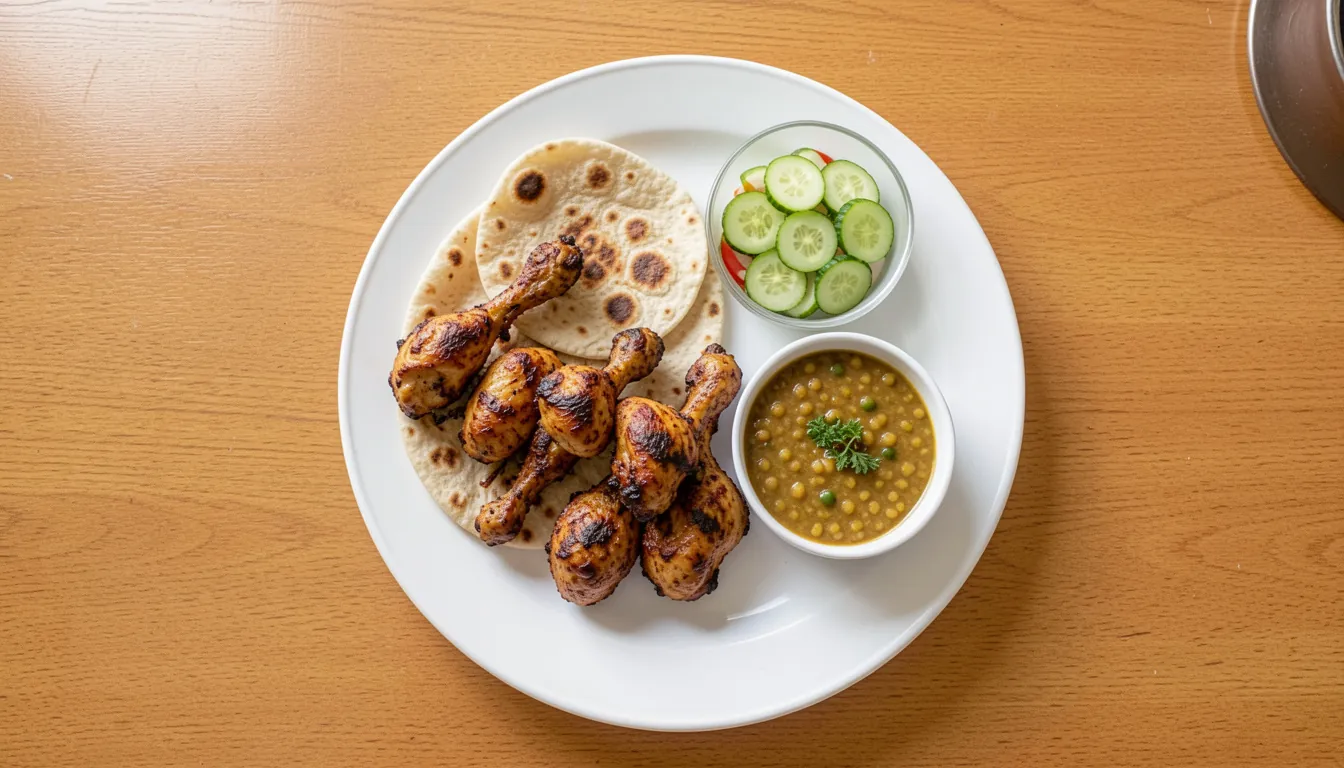
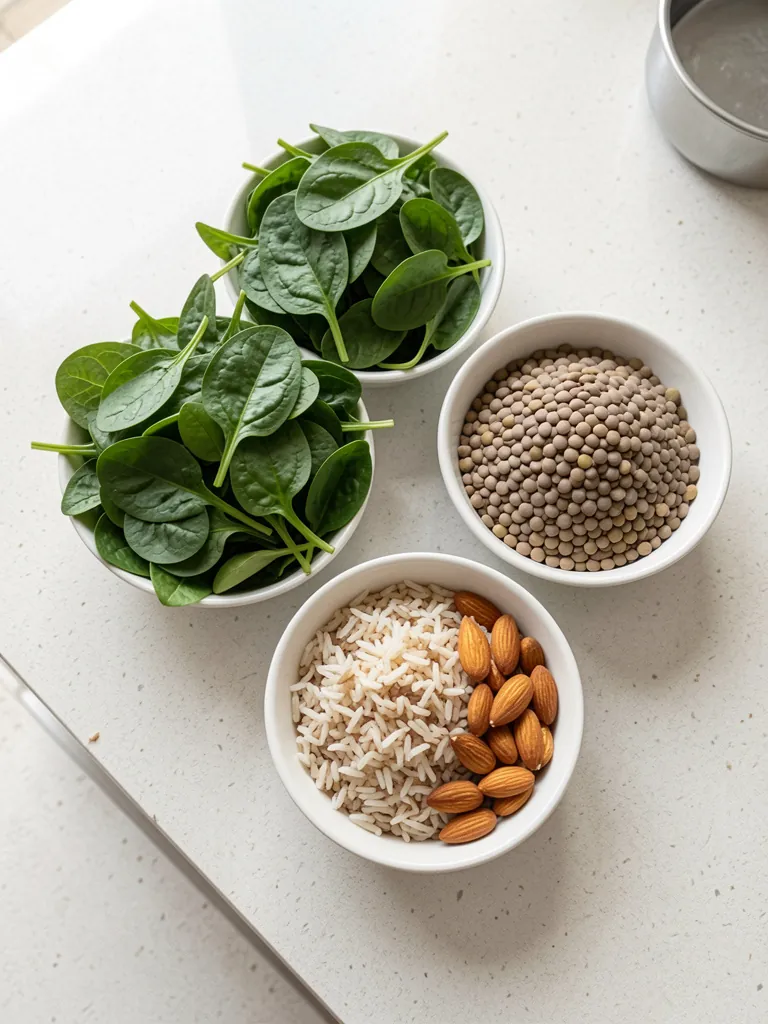
Short answer first. The best diet plan is the one you can keep doing that creates a modest energy deficit while prioritising high-fiber, low glycemic load foods and unprocessed meals. In plain terms, build plates around vegetables, legumes, whole grains, lean protein, nuts, seeds, and a little unsweetened dairy. I see this in clinic almost every week: patients want a list of banned foods and instead they need a simple plate pattern they can follow at home and at family meals.
Among structured patterns, DASH-style and Mediterranean-style templates are practical starting points because they are flexible and fit South Asian cooking. Low-GI choices help post-meal sugar swings and menstrual regularity. If weight is the main issue, a steady calorie reduction is what moves the needle, not a dramatic change in one macronutrient alone.

Can PCOS be cured by diet?
No, diet is not a guaranteed cure. Diet and weight change can improve periods, ovulation, and hormone markers and they make many symptoms better. Patients rarely believe me the first time I say this, because they read dramatic claims online that promise complete reversal.
For many women the right eating pattern will reduce insulin resistance and help menstrual regularity. For others medication will still be needed for irregular cycles, fertility treatment, or to treat a metabolic problem that diet alone cannot control. By the time someone reaches me with this, they have usually already tried three things at home. I will be honest, we do not fully understand why this happens in some people and not others, and that is why clinic testing matters when cycles stay abnormal.
Is low carb diet good for PCOS?
Low carbohydrate eating can help some women, particularly those with strong post-meal glucose rises or pronounced insulin resistance. I see patients who do well on a structured lower carb plan and others who find it hard to sustain because of family meals and social events. If you can keep a moderate carb reduction long term, it may improve insulin and some reproductive outcomes.
That said, low carb is not the only valid approach and it is not automatically better for everyone. If you are trying to conceive, are prone to disordered eating, or are breastfeeding, choose approaches carefully and under supervision. Where medical treatment is needed, I assess and prescribe medicines from a full endocrine perspective. For diabetes I use Ozempic as a diabetes control medication. For weight management where appropriate I may discuss Mounjaro.
How much weight loss helps PCOS?
Even modest weight loss matters. Losing about 5 to 10 percent of your body weight is often enough to restart ovulation and improve insulin resistance in many women who are overweight. The exact number is less important than steady progress that you can sustain.
In clinic I aim for realistic calorie targets rather than an extreme fast. For women with excess weight an energy deficit around 30 percent, or roughly 500 to 750 kcal per day, is often prescribed so the plan is steady and safe. I would rather you walk ten minutes daily than promise me an hour and quit in a week. That keeps progress real and measurable.

What foods should I avoid with PCOS?
Think quality and portion size rather than absolute bans. Patterns linked with worse PCOS are diets high in refined carbohydrates, processed foods, low in fiber, and high in sugary snacks. In contrast, fruits, nuts, seeds, legumes, whole grains, and unsweetened dairy appear protective in the evidence we use in clinic.
Practically, I tell patients to reduce sugary drinks, large portions of fried snacks, and very frequent biscuit or sweet chai rounds at the office. The chai and biscuit round at work and guests arriving with mithai are real tests of any plan. If you live in a joint kitchen where you do not control every meal, focus on portion swaps and where you can add vegetables and lentils rather than trying to be perfect.
When to book a clinic visit for PCOS symptoms
Book an appointment soon if you have any of the following persistent problems or new concerns. I will want to review your history, medication list, and test results so we can decide whether diet alone will be enough or if medicine or further testing is needed.
- Book an appointment soon if you have very irregular periods for six months or more, new excessive hair growth, sudden weight gain, or a family history of early diabetes. Bring any recent blood tests and a record of your cycles.
- Go to emergency now if you are vomiting and dehydrated, have very high fever, are fainting, unable to speak, or have any signs of severe illness.
What to bring in the two weeks before your appointment
- List of current medicines and any over-the-counter supplements you take
- A two week food and symptom diary with portion notes for roti, rice, and snacks
- Recent blood test results if you have them, including fasting glucose or any hormonal tests
- One clear goal for treatment, for example “I want my periods to become regular” or “I want to lose 5 kg”
- Notes on sleep, stress, and physical activity so we can see what else may affect insulin resistance
Fear is a worse motivator than habit, and habit is what I am after with you. This part frustrates me too because patients read extreme plans and then give up. I would rather see a slightly imperfect plan you actually follow than a perfect one you abandon by Thursday.
Bring your reports and one clear goal
Bring the reports, bring your questions, and tell me the one change you are ready to try first. If you are aiming for weight loss, a modest target of 5 to 10 percent is practical and meaningful. I have stopped being surprised by how often the simple act of tracking one meal, such as the evening plate after taraweeh or a wedding dawat, makes the difference between trying and succeeding.
Dr. Rizwan Niazi assesses these cases personally and will work with you to pick the safest, most realistic plan for your goals.
Questions patients ask me after this conversation
What should I eat for PCOS breakfast?
A balanced breakfast that pairs protein with fiber and a slow-release carbohydrate is best. Examples include a small bowl of moong dal chilla with vegetables, or oats cooked with milk and topped with nuts and a few berries. This helps reduce mid-morning cravings and large glucose swings.
Does intermittent fasting help PCOS?
Intermittent fasting may help some people by reducing total calories, but it is not a universal recommendation. If you have a history of disordered eating, are trying to conceive, or become dizzy with long fasts, do not start it without medical advice. For some women the social and family meal timings like sehri and iftar make strict fasting impractical.
Can I eat rice with PCOS?
Yes. Rice is fine in portion-controlled amounts and when paired with protein and vegetables. The rest of your plate matters more than one food. Swapping half the usual portion for extra vegetables or daal keeps the meal lower in glycemic load.
Is keto good for PCOS?
Very low carbohydrate or ketogenic diets can improve insulin resistance in some people, but the evidence is not strong enough to make them the default choice for everyone. They are hard to sustain, and I recommend specialist supervision if you try them, especially if you are pregnant or planning pregnancy.
What if I am lean but still have PCOS?
Lean PCOS still benefits from better food quality and attention to insulin sensitivity. Weight loss is not the goal for lean patients. Instead focus on regular meals with protein and fiber, sleep, and activity. If cycles remain irregular despite these changes, we test hormones and consider medical options.

Dr. Rizwan Niazi
Dr. Rizwan Niazi is a consultant endocrinologist and diabetologist in DHA Lahore with more than 21 years of experience. He holds MBBS, MRCP, MCPS and MD Endocrinology, and his clinic work covers medical weight loss, diabetes, thyroid and hormone disorders, and PCOS. He writes these articles to answer the questions patients actually ask him in clinic.