

If you’re stuck choosing between Ozempic vs Mounjaro vs Wegovy, you’re asking the same question I hear in clinic almost every week, “Which one actually works better for weight and sugar?” Here’s the direct answer: Mounjaro leads to more weight loss over time and also lowers HbA1c (your 3 month average sugar) slightly more. Ozempic is a type 2 diabetes control medicine that also often helps with weight as a secondary effect, and it has a daily pill option. Wegovy is a weight loss brand name people ask about, but in my clinic I assess and prescribe Ozempic (for diabetes) and tirzepatide as Mounjaro.
In This Article
- Which is better for weight loss: Mounjaro or Ozempic?
- How much weight do you lose on Mounjaro compared to Ozempic?
- What are the side effects of Mounjaro vs Ozempic?
- Is Ozempic approved for weight loss?
- Does Ozempic have a pill?
- Can kids take Ozempic?
- Can you take Mounjaro and Ozempic together?
- The Readings That Mean Call Me This Week
- What to Track for the Two Weeks Before Your Appointment
- How I Help You Choose Without Regret
Which is better for weight loss: Mounjaro or Ozempic?
Mounjaro is the stronger option for weight loss. I’ll say it plainly because I don’t like wasting your time when you’re already stressed about your reports, your clothes not fitting, and the cost.
In real world data comparing people on these medicines, the weight loss gap keeps widening over time. Mounjaro users lost 2.4 percentage points more at 3 months, 4.3 at 6 months, and 6.9 at 12 months compared to Ozempic users. That “widening” pattern matches what I see in clinic when someone sticks with treatment and titration is done gradually.
For blood sugar, both help a lot. Mounjaro lowers HbA1c a bit more than Ozempic, so if your A1c is still high even after trying tablets, I often consider tirzepatide early, especially when weight is also a major problem.
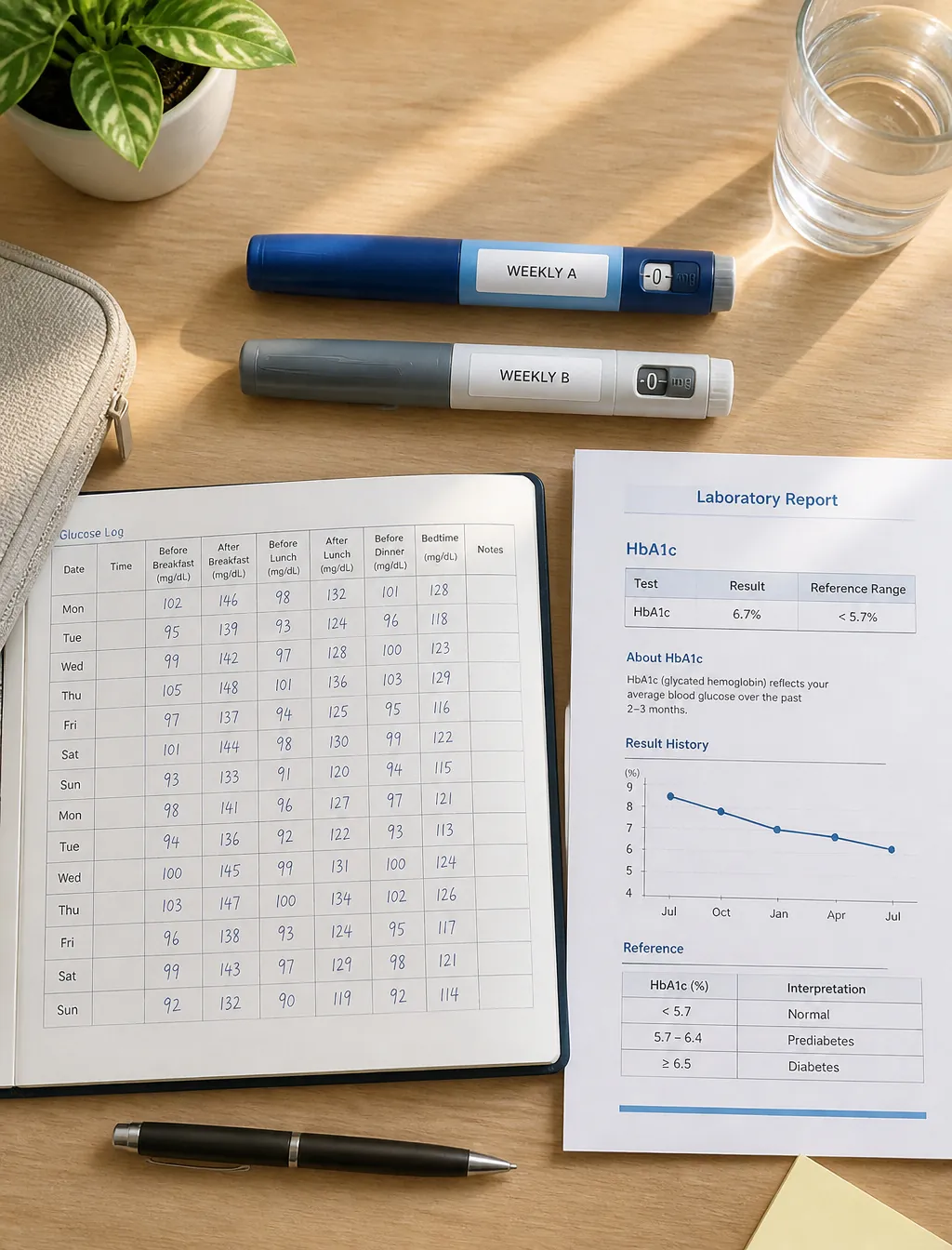
When people ask me why Mounjaro often feels “stronger,” I use a simple analogy. Ozempic works through one gut hormone signal (GLP 1). Mounjaro works through two (GLP 1 and GIP). Think of it like opening a door with one key versus using two keys that turn together. The result for many people is better appetite control and better metabolic effect, but it can also mean you feel side effects more during dose increases.
| Feature | Ozempic (semaglutide) | Mounjaro (tirzepatide) | Wegovy (semaglutide) |
|---|---|---|---|
| Main role | Type 2 diabetes control (weight change is secondary) | Strongest available weight loss injection today, and it also treats type 2 diabetes | Weight loss medicine people ask about |
| How it works | GLP 1 agonist | GLP 1 and GIP agonist (dual action) | GLP 1 agonist |
| Blood sugar (HbA1c) | Lowers HbA1c significantly | Lowers HbA1c slightly more than Ozempic | Not the focus of why people seek it |
| Weight loss outcomes | Less than Mounjaro on average in comparisons | More than Ozempic on average, and the gap grows by 12 months | Often discussed for weight, but my clinic focuses on options we prescribe after assessment |
| Form | Once weekly injection, plus a once daily pill option | Once weekly injection only | Injection |
| Age | Adults only | Approved for children age 10 and up (for type 2 diabetes) | Not part of my clinic’s prescribing options |
If you are ready to talk about starting one, see weight loss injections in Lahore.
How much weight do you lose on Mounjaro compared to Ozempic?
This is the number people hold onto, especially after hearing a friend say, “I took Ozempic and lost 5 lbs, but my friend lost 20 on Mounjaro. Why?” I get the emotion behind that. You’re paying, you’re nauseated, you’re skipping naan at dinner, and you still feel the scale isn’t moving.
People on Mounjaro lost about 20% of their body weight, while those on Ozempic lost about 14%. That’s not a promise for any one person, but it’s a useful expectation setting tool when we’re choosing a medicine for obesity plus type 2 diabetes.
Over 80% of Mounjaro users hit a 5% weight loss goal, compared to two-thirds of Ozempic users. In clinic terms, that matters because 5% is often where people start noticing their sugars settle, their knees hurt less, and their clothes fit better.
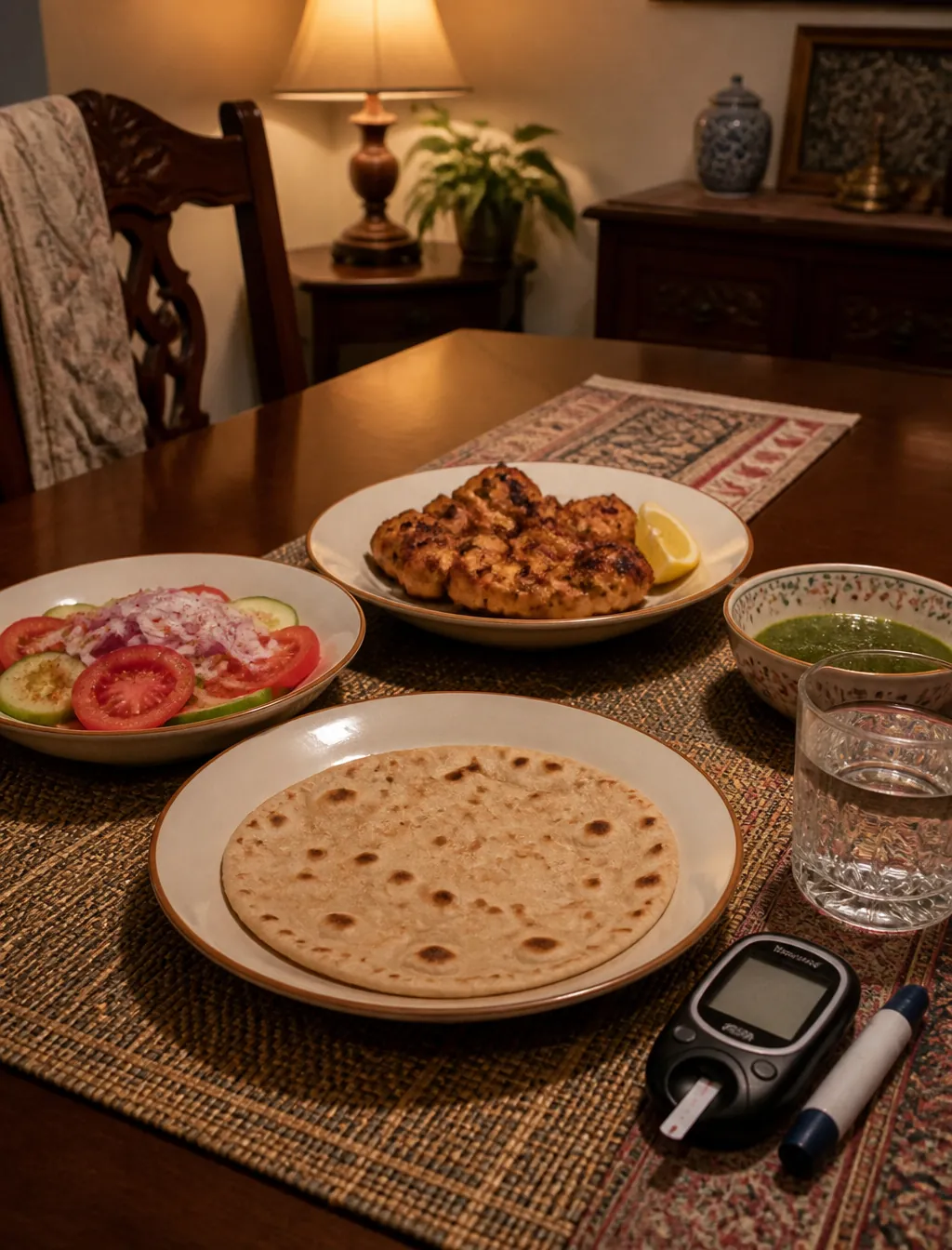
I also remind you of something the internet skips. Faster weight loss can mean muscle loss if protein intake is poor, especially in our desi pattern of “roti and chai, then a big dinner.” If we use a stronger medicine, I keep a close eye on food quality, strength work, and hydration so the weight you lose is the weight you actually want to lose.
What are the side effects of Mounjaro vs Ozempic?
The side effects overlap a lot. Nausea, vomiting, bloating, and that uncomfortable “food sitting” feeling are common reasons people message me in week one or week two saying, “Mounjaro is making me vomit every day, I can’t eat anything.” I hear you. It’s scary and it’s miserable.
Mounjaro can feel more intense at higher doses for some people, likely because of the dual hormone action. That does not mean you should push through anything severe. It means we respect titration and we adjust the plan like adults, instead of pretending everyone tolerates the same schedule.
Both medicines slow stomach emptying. That’s part of why they help sugar after meals, but it’s also why greasy iftar foods can backfire with sudden nausea. During Ramadan, I often ask people to monitor how they feel after sehri and iftar, and to keep portions smaller so the stomach isn’t overloaded.
One more safety point I never want you to miss. Low sugar (hypoglycemia) risk goes up when these injections are used with insulin or sulfonylureas. If you are on insulin, never stop or change insulin on your own. I adjust it only after looking at your glucose readings, sometimes including pre Fajr checks when you’re fasting.
Is Ozempic approved for weight loss?
No. Ozempic is approved for type 2 diabetes control. Many people do lose weight on it, and I monitor that closely, but I don’t position Ozempic as a weight loss injection in my practice because that is not its primary role.
This is where people feel misled when coverage or access gets tricky. If a medicine is being used mainly for weight loss rather than diabetes, it can be harder to justify and sustain. Medicine does not have a neat answer here yet, and I would rather tell you that than pretend.
If weight is the primary goal and you also have type 2 diabetes or significant metabolic risk, I usually discuss tirzepatide options. I still assess you properly first. Please don’t self start from an online seller.
Does Ozempic have a pill?
Yes. This is a real advantage for some people, especially if you have a strong needle fear or you live in a joint family where privacy is hard and you don’t want questions about injections.
I’ll also be honest about the tradeoff I see. A daily pill is only helpful if you can take it consistently. Some patients tell me, “Ozempic pill is hard to take, I forget to take it.” If adherence is poor, a once weekly injection can be simpler in real life.
Earlier in my career, we leaned more toward tablets first for longer. The evidence moved, and so did we. For many people with high A1c and obesity, earlier use of these injections is now common, as long as we do it safely and with proper follow up.

Can kids take Ozempic?
No. Ozempic is approved only for adults.
Mounjaro is approved for children age 10 and up for type 2 diabetes. For parents reading this, the “why” is simple. Approval follows where safety and growth related data exists. When I treat a child or teen with type 2 diabetes, I monitor growth, eating patterns, and family routines very closely. It’s never only about the injection.
If you’re caring for a child with diabetes, please don’t try to copy an adult’s plan from social media. Bring your child in so I can review reports, meal patterns, and any fasting practices, including school timing and sports.
Can you take Mounjaro and Ozempic together?
No. Please don’t combine them. I know some people try it out of desperation and then say, “I took both for a week and my stomach exploded.” That is exactly the kind of avoidable suffering I don’t want for you.
There’s no added benefit that justifies the risk. If one option is not working well enough, the safer approach is that I reassess the diagnosis, your eating pattern, your activity, your sleep, and your dosing titration history. Then, if needed, I switch medicines under supervision. That is very different from stacking two similar gut hormone injections together.
Also, if you’re on thyroid medicine or insulin, never stop those medicines without speaking to me. I see people do this when nausea hits, and it creates bigger problems than the nausea itself.
The Readings That Mean Call Me This Week
Here is what I tell my own patients. Most situations can wait for an appointment. A few cannot.
- Book an appointment soon if your sugars are staying above your targets despite weight loss, your nausea or bloating is making you skip meals regularly, you are fasting in Ramadan and your readings are swinging widely between sehri and iftar, or you have kidney disease and you’re losing weight quickly so I can monitor your kidney function.
- Go to emergency now if your reading crosses 300 and you are vomiting or confused. Stop reading this article and go. Everything else can wait. That cannot.
What to Track for the Two Weeks Before Your Appointment
If you bring me good information, I can usually make a better decision faster between Ozempic vs Mounjaro, and I can often reduce side effects by fixing patterns, not by guessing.
- Your fasting sugars before Fajr (or before breakfast on non fasting days)
- Two post meal readings on most days, especially after your biggest roti or rice meal
- Your latest HbA1c report (the lab page, not just a photo of the number)
- What happens to nausea week by week, including what foods trigger it most (often fried iftar foods)
- Your current medicines list, especially insulin or sulfonylureas, plus thyroid medicine if you take it
- Hydration and urine frequency, since vomiting and low intake can dehydrate you
- Your walking routine. I would rather you walk ten minutes daily than promise me an hour and quit in a week
How I Help You Choose Without Regret
By the time you reach me, you’ve usually already read ten articles and watched five reels. You still feel unsure because the decision is personal. It depends on whether your main problem today is high HbA1c, weight that is not moving, needle fear, cost stress, or side effects that are making you stop and restart.
If you take one thing from this article, let it be this. We choose based on your priority and your tolerance, then we commit to gradual dose escalation, hydration, and realistic food patterns. That is how people do well on these medicines, not by chasing the biggest name online.
I also make space for the emotional part, because it’s real. “My sugar is still high even though I lost 10 pounds” is a sentence I hear often. Weight loss helps, but your sugar control is still a separate target we measure with HbA1c and daily glucose. When those two don’t match yet, it doesn’t mean you failed. It means I need to adjust the medical plan, and you need a plan you can actually live with at wedding dinners and family daawats.
These injectables are prescription medicines. If you want, come in with your reports and we’ll decide calmly, safely, and without guesswork.

Dr. Rizwan Niazi
Dr. Rizwan Niazi is a consultant endocrinologist and diabetologist in DHA Lahore with more than 21 years of experience. He holds MBBS, MRCP, MCPS and MD Endocrinology, and his clinic work covers medical weight loss, diabetes, thyroid and hormone disorders, and PCOS. He writes these articles to answer the questions patients actually ask him in clinic.