

I see this in clinic every week. Gestational diabetes means your blood glucose is higher than expected and was first noticed during this pregnancy. What happens next is usually a clear plan: structured changes to meals and activity, regular home glucose checks, and a clinic review to see if lifestyle steps are enough or if medication, including insulin, is needed. It often feels sudden, especially when you felt fine, but most of the time the condition is manageable and we plan for postpartum testing because the risk for future diabetes remains.
In This Article
- Why a normal pregnancy can still turn up gestational diabetes
- What your glucose test is actually telling you
- What to eat when the report says gestational diabetes
- When diet is not enough and insulin enters the picture
- Why postpartum testing still matters after delivery
- When your readings make me want to see you this week
- What to write down before your appointment
- Bring your glucose log to the appointment
- Questions patients ask me after a gestational diabetes diagnosis
Why a normal pregnancy can still turn up gestational diabetes
Pregnancy changes your hormones in a way that makes insulin work less well. The short way I explain it to patients is this: pregnancy raises the demand on insulin, and if your pancreas cannot keep up, blood glucose rises. That is why many people ask me in clinic, “I feel fine, then why am I being told I have gestational diabetes?” The answer is that the condition is often silent and is found by routine tests rather than by symptoms.
Medicine does not have a neat answer here yet, and I would rather tell you that than pretend. Most of my patients are surprised when I tell them that their everyday energy and normal weight do not rule the diagnosis in or out. It is common, not a moral failing.
To put the numbers simply, gestational diabetes is common enough that public health agencies track it. In global analyses it affects about fourteen percent of pregnancies overall. In parts of our region the figures are higher, so screening is routine and expected rather than exceptional.

What your glucose test is actually telling you
When you have blood taken for a glucose test it is a snapshot designed to catch elevated blood sugar that rarely causes clear symptoms. The tests are built on decades of work showing that even modest elevations matter for the baby and the delivery. That is why you were asked to have the test even if you felt well.
One important point I say to every patient is this: one abnormal screen prompts a conversation, not a lifetime label. Your clinician will look at the full picture, including repeated readings and how your numbers change after meals. I will be honest, we do not fully understand why this happens in some people and not others, and that uncertainty is why we test and follow trends rather than assuming.
What the test tells me is whether we start with a lifestyle plan and home monitoring, or whether we need to consider medication. The target numbers and the exact thresholds are something we discuss at clinic because guidelines and practices are specific and change with new advice.
What to eat when the report says gestational diabetes
A common reaction is, “They only told me to cut sugar, that is not a plan.” I agree. Telling someone to stop sweets is not enough. Food becomes a tool to spread carbohydrate across the day, avoid large blood sugar spikes, and keep your baby growing at a healthy rate.
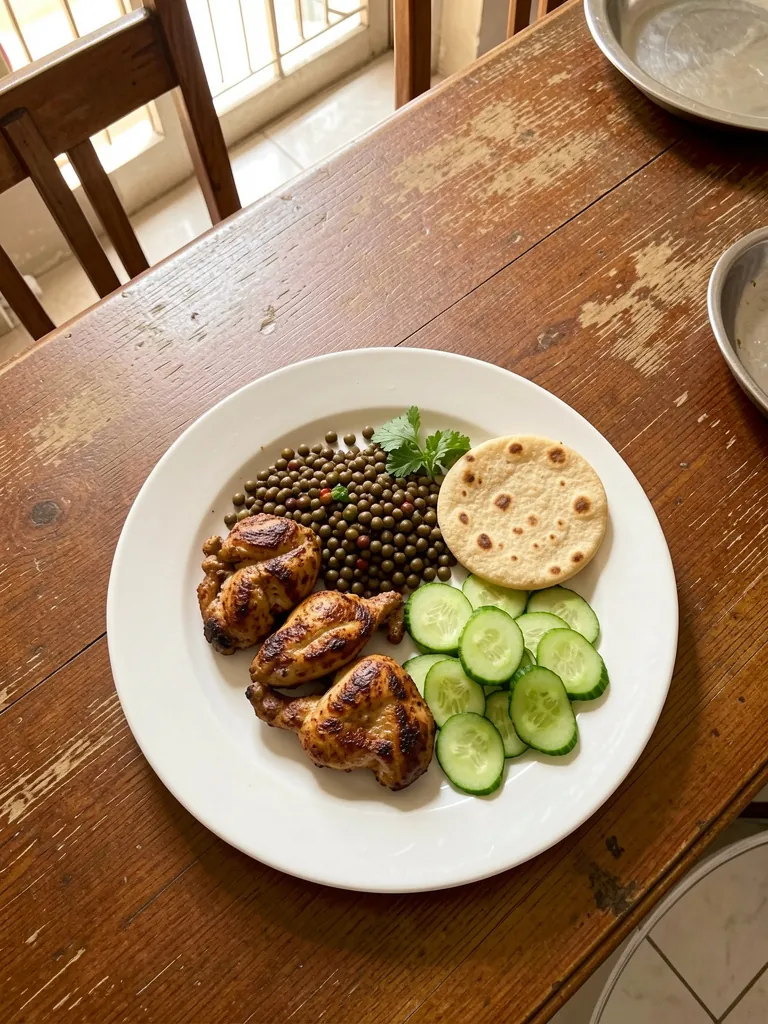
In practical terms I ask patients to focus on the plate most likely to change the numbers eaten with family. If you can only change one meal, change the one you eat with family, not the one you eat alone. For many of my patients in Pakistan that means smaller portions of white rice, a bit more dal and vegetables, and reversing the usual order by having protein and salad first so the roti or rice raises sugar less.
Wedding dinners, guests bringing mithai, and the family WhatsApp group forwarding a herbal cure are real obstacles. I tell patients to plan one realistic swap they can do at those events. For Ramadan or Sehri and iftar, timing matters and we make a plan that fits the fast if you are choosing to fast. Household helpers cooking with a heavy hand of oil is another real-life barrier; ask for a lighter oil measure or a separate plate with less ghee.
When diet is not enough and insulin enters the picture
Diet and activity manage many cases, but some people need medication. A frequent question is, “Do I have to take insulin now?” My answer in clinic is simple. We start with the least invasive step that keeps your glucose in range. If your home checks show persistent high readings despite those changes, I will discuss medication options. Insulin is a commonly used and safe option in pregnancy when it is needed.
I will say this plainly: never stop insulin without your doctor. Any change in medicines must happen under supervision. If we start insulin, I start low and increase gradually until your readings come into range. Insulin in pregnancy is a tool that protects the baby and reduces delivery risks, not a sign of failure.
Most of the fear around insulin comes from stories rather than clinic reality. I care more about what your readings do over a month than what any single morning said. That perspective helps avoid panic and keeps the focus on steady improvement.
Why postpartum testing still matters after delivery
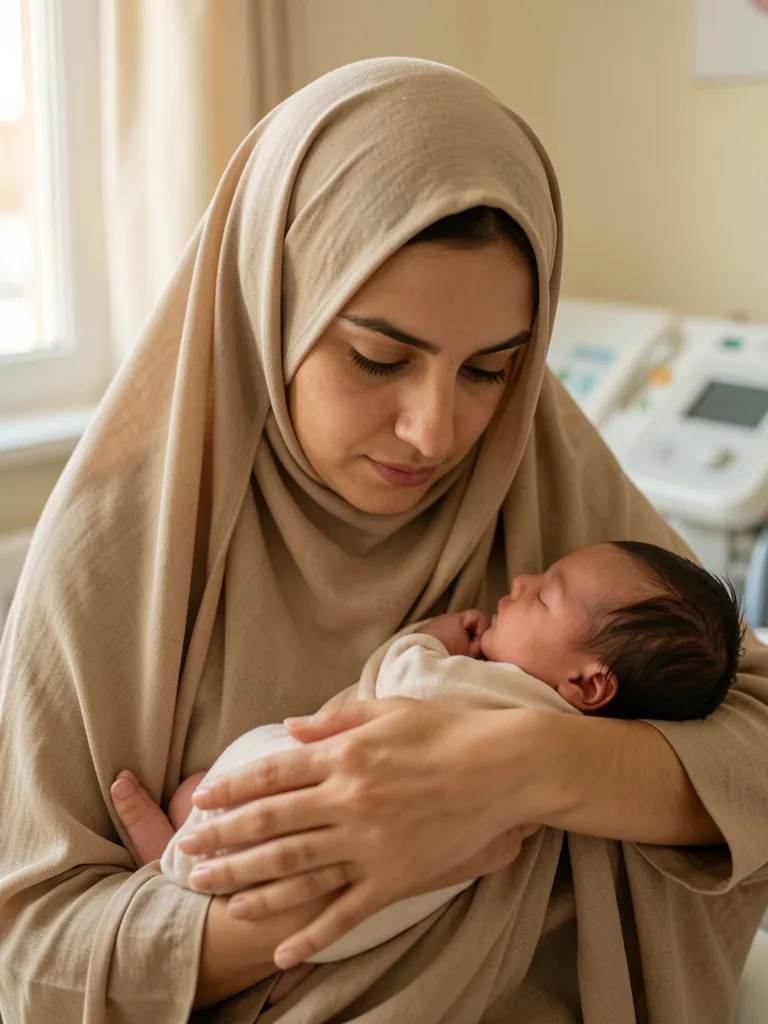
Many patients ask, “Will this go away after delivery?” Often it does improve once the pregnancy hormones reduce, but the diagnosis is also a signal. It tells me that your metabolism was pushed in a way that could increase the chance of diabetes later. That is why postpartum follow-up testing is not optional; it is part of the plan even when delivery goes well.
One useful way I explain this is to separate two goals. In pregnancy our immediate goal is to protect the baby and the delivery. After delivery the goal is to reassess and reduce long-term risk. I cannot promise a timeline for prevention, but I can promise we will check and adjust.
When your readings make me want to see you this week
When someone sits down with this exact worry, here is where I start. There are two patterns that make me ask to see you soon. One is repeated high home readings after you have tried the diet and activity plan. The other is any worrying symptoms that suggest unstable sugar control or a complication.
If you have symptoms such as persistent vomiting, confusion, fainting, or very low readings with loss of consciousness, those are emergency signs and you should seek urgent care. For any pattern of steady high readings despite following the plan, book an appointment so we can review your log and decide whether medication is needed.
Book an appointment soon if:
Go to emergency now if:
- You have repeated high home glucose readings despite following the diet and activity plan
- You notice the baby moving less or you have new, worrying pregnancy symptoms
- You have severe vomiting and cannot keep fluids down, or you become confused or faint
- You have a very low glucose reading with loss of consciousness or seizures
What to write down before your appointment
When families come in together, this is usually their first question. The short list I want on your phone or on paper helps me make a decision quickly and avoids three visits to clarify the same point.
- Home glucose log showing the time and result for at least one week, especially fasting and one- or two-hour post-meal readings
- A note of what you ate for the two highest readings, including portion size and whether you were sitting or walking afterward
- Any medicines you take, including vitamins and herbal remedies from WhatsApp or family suggestions
- Weight record and any recent illnesses such as vomiting or infections
- Three direct questions you want answered in the appointment
Bring your glucose log to the appointment
What surprises people most is how ordinary the answer is: I need to see your numbers and understand the pattern. Bring the log, bring a short list of recent meals that matched your high readings, and bring any notes about events such as a long drive where you missed medication or cold storage problems for insulin.
If you are worried about costs, ask about generic testing strips and cheaper follow-up options. The important thing is accurate, honest records. I would rather see a patient who reports honestly than a tidy set of numbers that hide skipped checks.
I have spent over twenty one years treating diabetes and hormone conditions. If you would like a personal review of your readings and a plan that fits your household, I assess these cases personally and will help you choose the next safe step.
Questions patients ask me after a gestational diabetes diagnosis
I feel fine, then why am I being told I have gestational diabetes?
Many people have no symptoms. The tests are designed to find high blood glucose that does not cause obvious feelings. Finding it early lets us protect your baby and plan treatment before complications develop.
Did I eat too many sweets and cause this?
No single meal causes gestational diabetes. Pregnancy hormones make insulin work harder, and that is the usual reason it appears. Blame does not help. We focus on what to do next, not on guilt.
Do I have to take insulin now?
Not always. We usually start with structured diet, activity and home monitoring. If those steps do not keep your numbers in range, I will discuss medication options and start treatment under supervision. Never stop insulin without your doctor if we begin it.
Will this go away after delivery?
Often blood glucose returns to normal after the baby is born, but the diagnosis means you are at higher risk later on. A postpartum test is an important check to make sure your metabolism has returned to the expected range.
What if I hear a family member or a WhatsApp message about a herbal cure?
Such remedies are common in our community. I do not recommend them as replacements for monitoring or prescribed treatment. If you try anything new, tell me so we can watch for interactions or unexpected effects.

Dr. Rizwan Niazi
Dr. Rizwan Niazi is a consultant endocrinologist and diabetologist in DHA Lahore with more than 21 years of experience. He holds MBBS, MRCP, MCPS and MD Endocrinology, and his clinic work covers medical weight loss, diabetes, thyroid and hormone disorders, and PCOS. He writes these articles to answer the questions patients actually ask him in clinic.