

I want to answer the question I hear most in clinic when feet start to tingle: are the nerves damaged and what can be done. About 40% to 55% of neuropathy cases in two population screening studies were linked to diabetes, yet the problem you feel at night can come from several causes. In plain terms, diabetic neuropathy is nerve damage that commonly causes burning, tingling or numbness in the feet, often worse at night. The useful steps are clearer glucose care where it helps, protecting the feet, and asking about proven pain medicines rather than relying on supplements alone.
In This Article
- What are the first signs of diabetic neuropathy?
- Can diabetic neuropathy be reversed?
- What is the best treatment for diabetic neuropathy?
- Does alpha-lipoic acid help diabetic neuropathy?
- When should I worry about diabetic neuropathy?
- When to see me about nerve pain
- What to track before your appointment
- Check your feet tonight
- Questions patients ask me about diabetic neuropathy
What are the first signs of diabetic neuropathy?

The first signs are often sensory. People tell me “my feet burn at night” or “why are my feet tingling” and that is usually the start. Burning, stabbing or electric pain, pins and needles, and a gradual loss of feeling are typical. Night worsening is common and is why sleep disturbance is an early reason people seek help.
One pattern I see in clinic almost every week is this. Patients will bring a recent glucose printout and say “my sugar is fine but my feet hurt.” Normal routine readings do not guarantee that nerves are fine. Symptoms deserve reporting even when a single sugar number looks reasonable.
Can diabetic neuropathy be reversed?
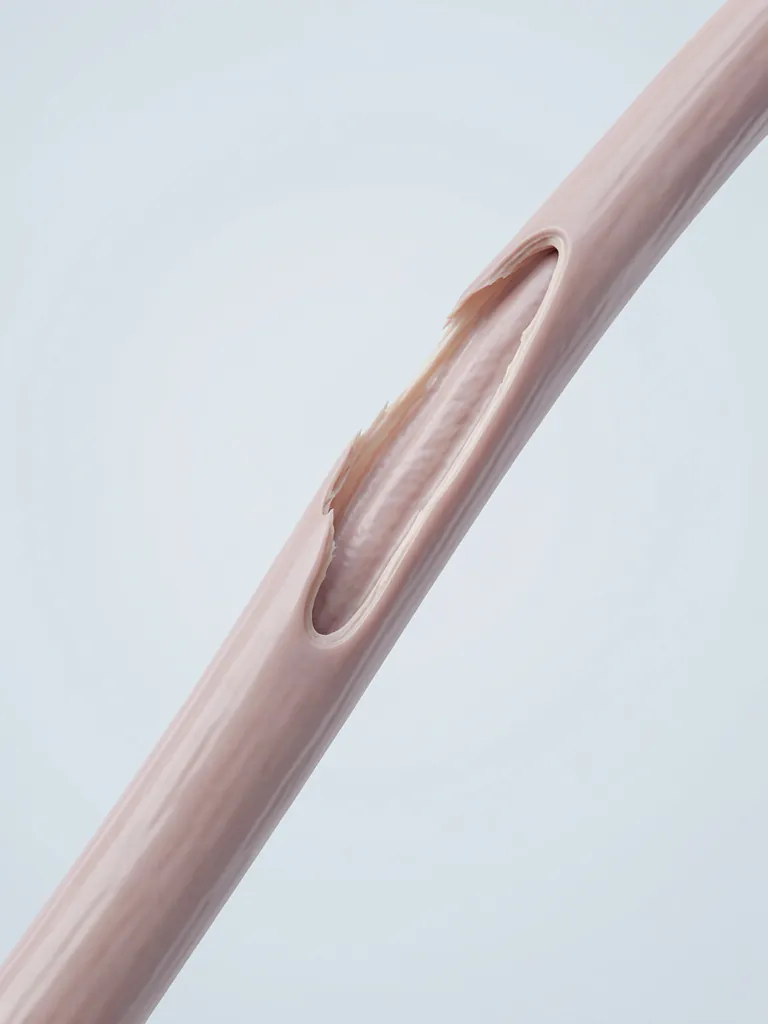
I will be honest. Sometimes early nerve symptoms improve when the underlying cause is corrected, but established damage does not always fully reverse. Better glucose control clearly helps prevent or slow neuropathy in type 1 diabetes. For type 2 diabetes the benefit is less consistent once neuropathy is established, so improving sugar remains important but not a guaranteed cure.
Earlier in my career the standard advice was different. The evidence moved, and so did we. That matters because many patients expect an overnight recovery after a single change and then feel let down when pain persists.
What is the best treatment for diabetic neuropathy?

If your main problem is burning pain, the clearest evidence supports medicines aimed at pain relief. In recent summaries, drugs such as pregabalin and duloxetine are among the most consistently supported first-line options for painful diabetic peripheral neuropathy. That is the point where I stop home remedies and consider a prescription, especially when pain affects sleep or walking.
Medicine choice, dosing and monitoring belong in clinic. I do ask patients to start a symptom diary before we change anything, because knowing whether the pain wakes you at 3am, how long it lasts, and how it affects walking helps me pick the right option. I have watched this go wrong the same way many times. Patients leave with a prescription and no plan for side effects or follow up, and then stop it because of dizziness or sleepiness.
Does alpha-lipoic acid help diabetic neuropathy?
Alpha-lipoic acid is a common question at my desk because family WhatsApp threads often recommend it. The short answer is that the evidence is mixed. Some trials and pooled analyses show modest nerve function or symptom changes, but large trials have had neutral primary results.
For example, a long trial followed people taking 600 mg for four years and did not meet its primary composite endpoint. That tells me nerves do not recover overnight and that alpha-lipoic acid should not be described to patients as a cure. If you use it, tell me so we can review safety and expectations, and never let it replace treatments that have clearer benefit for your symptoms.
When should I worry about diabetic neuropathy?
You should be more concerned when numbness replaces pain or when new weakness appears. Numb feet remove protective sensation and raise the risk of unnoticed injury and ulcers. New asymmetric symptoms, rapid progression, bladder or bowel changes, repeated falls, or signs of infection are reasons to widen the workup because diabetes is only one possible cause of nerve damage.
Most of my patients are surprised when I tell them this. If a wound on the foot does not heal, or the area becomes warm, red or swollen, do not wait. These signs change this from a routine follow up into an urgent problem.
When to see me about nerve pain
Book an appointment soon if any of the following apply to you.
- You have burning pain that disrupts sleep or limits walking, or your daily activities are affected.
- Symptoms are getting steadily worse over weeks, or they are asymmetric rather than the usual length-dependent pattern.
- You use metformin or have a diet risk for vitamin B12 deficiency and you notice new numbness, so testing and review are needed.
- You have a new non-healing sore on a foot or signs of redness, warmth or swelling around a wound.
Go to emergency now if any of these are true.
- You have a spreading area of redness or swelling on the foot, fever, or the wound is draining pus. Any of these can mean infection that needs prompt care.
- You suddenly cannot walk because of weakness, or you have a fall and cannot stand up, or you are vomiting and confused during severe high sugar episodes. If you take insulin, never stop insulin without your doctor and seek urgent help.
What to track before your appointment
- Keep a two week symptom diary noting when the pain wakes you, what it feels like, and how it affects sleep or walking.
- Photograph any sore, blister or discoloured skin on the feet and note when it appeared.
- Bring a list of current medicines, including metformin and any supplements you take.
- Bring recent glucose logs and the latest HbA1c report if available.
- Note any falls, new weakness, bladder changes or recent chemotherapy or thyroid problems that could explain nerve symptoms.
Check your feet tonight
Look for cuts, blisters, redness, warmth, or a sore that will not heal. If you find any of these, protect the area, do not walk barefoot and show it to your doctor sooner rather than later. People rarely realise how small a blister can become the start of a larger problem. If you are unable to bend and see the soles, ask a family member to help or use a mirror.
Checking before sehri and before sleep can become a simple habit. Fruit chaat assumed to be automatically safe is a real family example I hear, and checking sugar before Fajr is a common ritual that can pair well with a short foot check. If you notice reduced sensation, increase how often you inspect the feet and ask for a focused clinic review.
Questions patients ask me about diabetic neuropathy
Can diabetic neuropathy affect sleep?
Yes. Nighttime burning is common and a major reason people seek treatment. Treating the pain directly often restores sleep, which then improves mood and daytime function.
Is diabetic neuropathy permanent?
It can be long lasting, but earlier action increases the chance of improvement. I cannot promise you a timeline. What I can promise is that we will check and adjust the plan based on your response.
What vitamins help diabetic neuropathy?
Vitamin B12 helps only if a deficiency is present, and metformin users are a higher-yield group to test. Routine vitamin use without testing is not a proven strategy to reverse nerve damage.
Bring the reports, not just the questions
Bring your glucose logs, the latest HbA1c, a list of medicines and photos of any foot sores when you come. If the pain wakes you at 3am, write down how often and how long it lasts so I can judge whether we should start a pain medicine or consider other options. My training and society memberships sit in diabetes and thyroid medicine, and this question lives right in the middle of both. If you would like a focused assessment I review these cases at my clinic and will guide the testing and treatment personally.

Dr. Rizwan Niazi
Dr. Rizwan Niazi is a consultant endocrinologist and diabetologist in DHA Lahore with more than 21 years of experience. He holds MBBS, MRCP, MCPS and MD Endocrinology, and his clinic work covers medical weight loss, diabetes, thyroid and hormone disorders, and PCOS. He writes these articles to answer the questions patients actually ask him in clinic.