
I hear versions of the same question in clinic all the time: you are peeing a lot, you are thirsty, but your blood sugar is normal. Diabetes insipidus is not the sugar diabetes most people think of. It is a problem with the hormone vasopressin or with the kidney’s ability to concentrate urine. The classic signs are very large volumes of clear urine, constant thirst and waking at night to pass urine. Doctors confirm it by measuring urine and blood, and then by supervised testing that separates central causes, nephrogenic causes, and primary excessive drinking. Treatment depends on the cause.
In This Article
- What is the difference between diabetes insipidus and diabetes mellitus?
- What are the first signs of diabetes insipidus?
- How is diabetes insipidus diagnosed?
- What causes diabetes insipidus?
- What is the treatment for diabetes insipidus?
- When urine volume and thirst need a doctor’s check this week
- What to track before your clinic visit
- Bring your urine and medicine list to the appointment
- Questions patients ask me about diabetes insipidus
What is the difference between diabetes insipidus and diabetes mellitus?
Start with this simple correction: diabetes insipidus and diabetes mellitus share the word diabetes, but that is where the similarity ends. Diabetes mellitus is about high blood sugar. Diabetes insipidus is about water balance. In insipidus the problem is with vasopressin, the hormone that tells the kidney to concentrate urine, or with the kidney not listening to that hormone.

In clinic I see patients who heard the word diabetes and assumed they had a blood sugar problem. One common line I hear is, “They said diabetes but my sugar is normal.” That confusion delays the right tests. If you are already taking insulin or thyroid medicines, please do not stop them. Never stop insulin without your doctor.
What are the first signs of diabetes insipidus?
The classic symptoms are polyuria, polydipsia and nocturia. You pass very large amounts of pale, watery urine, you feel thirsty most of the time, and you wake at night to urinate. Patients come in saying things like “I pee every 20 minutes,” “I’m thirsty all the time, even at night,” or “Why is my urine so clear?” Those phrases are the red flags I listen for first.
I have stopped being surprised by how often this happens. Nine times out of ten the real issue turns out to be something simpler, but when the 24-hour urine volume is above a clear threshold, the workup must follow. If an adult is passing more than about three to three and a half litres in 24 hours, and the urine is very dilute, that is when we start diagnostic testing.
How is diabetes insipidus diagnosed?
Diagnosis begins with two simple checks: measure the 24-hour urine volume and the urine osmolality [this measures how concentrated the urine is]. Healthy people can concentrate urine to above 800 mOsm/kg when water is withheld. In diabetes insipidus the urine often stays below 300 mOsm/kg. Those two numbers together make the problem clear in many cases.
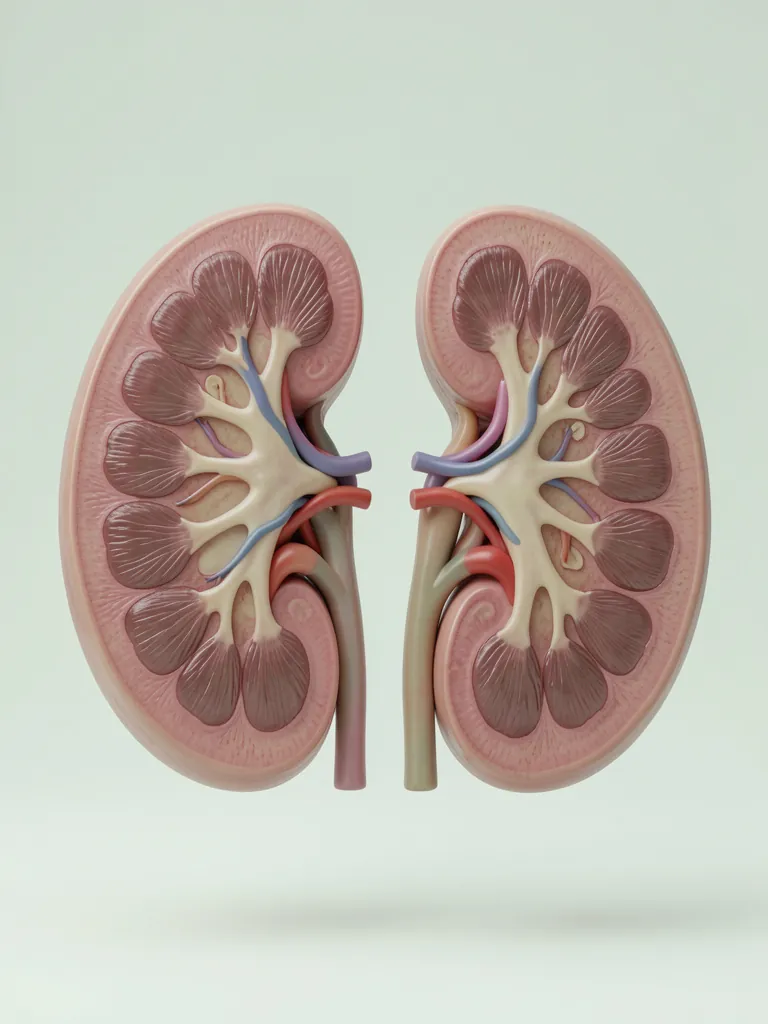
The next step is supervised testing. The water deprivation test looks to see whether the body can “tighten the tap” when water is restricted. That test is still central, but there are more accurate options for difficult cases, such as copeptin-based strategies or hypertonic saline stimulation. These tests require supervision because deliberate dehydration can be dangerous. If the urine fails to concentrate, a desmopressin challenge can show whether the problem is central. A rise in urine osmolality of more than 50 percent after desmopressin supports complete central diabetes insipidus.
What causes diabetes insipidus?
There are three broad groups I consider. Central diabetes insipidus is due to insufficient vasopressin production. Nephrogenic diabetes insipidus is when the kidney does not respond to vasopressin. Primary polydipsia is behavioural excessive drinking that overwhelms the system. I always do a medicine review and blood tests for sodium and calcium.

In adults the common triggers for nephrogenic diabetes insipidus include lithium exposure and high calcium. Up to one in five people taking lithium may develop impaired urinary concentration. In infants and children, inherited nephrogenic diabetes insipidus is rare but serious. In that setting a urine osmolality below 200 mOsm/kg together with normal or high serum sodium makes the diagnosis probable and early genetic testing is often recommended.
What is the treatment for diabetes insipidus?
Treatment follows the cause. Central and pregnancy-related cases usually respond to desmopressin. Nephrogenic diabetes insipidus is managed differently: we review and often stop or change the offending medicine where possible, and we use dietary and supportive measures to reduce urine volume. Behavioral approaches are used for dipsogenic or primary-polydipsia cases.
For congenital nephrogenic diabetes insipidus, supportive measures are important. Families are advised to ensure free access to fluids for the child, because restricting water can cause dehydration, hypernatremia and poor growth. Dietary guidance often includes reducing salt intake to about six grams a day and limiting protein to under one gram per kilogram, with dietetic support. Regular kidney ultrasound every two years is recommended to monitor for urinary tract changes caused by chronic high urine flow.
When urine volume and thirst need a doctor’s check this week
If these problems are new or getting worse, I want a clear set of numbers and symptoms before the appointment. The list below shows what makes me pick up the phone and book you in.
- Book an appointment soon if you are passing about 3 to 3.5 litres or more in 24 hours, your urine is very clear, or you wake several times at night to urinate. Also book if you start these symptoms after starting a medicine such as lithium or after a recent pregnancy.
- Go to emergency now if you have confusion, severe weakness, vomiting, or signs of dehydration. If you or your child show rapid weight loss, inability to keep fluids down, or altered mental state, seek emergency care immediately.
What to track before your clinic visit
When someone sits down with this exact worry, here is where I start. The short list below makes the first consultation efficient and safe.
- Approximate 24-hour urine volume. If you cannot measure, note whether you are drinking and passing urine much more than usual, and how many times you get up at night.
- How clear the urine looks and whether it changes during the day.
- A list of current medicines, especially lithium, antipsychotics, diuretics and any calcium supplements.
- Any recent pregnancy, head injury, or brain surgery history.
- For children: growth records, wet diapers count, and any episodes of dehydration or poor weight gain.
Bring your urine and medicine list to the appointment
I will ask for the simple tests we use in clinic: a urine osmolality, a serum sodium, and a clear record of medicines and symptoms. If you have already had a urine collection or a serum sodium, bring those reports. Most of my patients are surprised when I tell them how important the medicine list is. When someone has new thirst after a medicine change, I have watched this go wrong the same way many times.
Medicine changes are a medical decision. If a drug such as lithium is implicated, do not stop it on your own. Treatment direction follows diagnosis. I will explain what we try first, what we expect to happen, and how we reassess.
Questions patients ask me about diabetes insipidus
Is diabetes insipidus serious?
It can be. Left untreated, diabetes insipidus may cause dehydration and high sodium in the blood, which are medical emergencies. The danger is greater in infants, older adults, and anyone who cannot drink freely. Most cases are manageable when identified early.
Can diabetes insipidus be cured?
It depends on the cause. Some forms are reversible or controllable with treatment and stopping a trigger medicine. Other types, especially inherited nephrogenic forms, require long-term management rather than a one-time cure.
When should I see a doctor for frequent urination and thirst?
See a doctor when the symptoms are persistent, when you wake multiple times at night, when your urine is very clear and large in volume, or if you feel dizzy or cannot keep up with fluid losses. For infants, failure to gain weight and frequent wet diapers are immediate reasons to seek specialist review.
I will be honest, we do not fully understand why this happens in some people and not others. Some of this is trial and error, and I would rather say that than dress it up. The biggest mistake I see is starting six changes at once. If you collect the few items I asked for above and bring them to the clinic, we will make a clear plan together.
Bring your urine and medicine list to the appointment
Bring the urine result, the list of medicines and a note of how much you are drinking and peeing in 24 hours. That small set of facts usually points us in the right direction, and then I order the supervised tests we need. Dr. Rizwan Niazi assesses these cases personally and can help decide the right tests and the safest treatment path.

Dr. Rizwan Niazi
Dr. Rizwan Niazi is a consultant endocrinologist and diabetologist in DHA Lahore with more than 21 years of experience. He holds MBBS, MRCP, MCPS and MD Endocrinology, and his clinic work covers medical weight loss, diabetes, thyroid and hormone disorders, and PCOS. He writes these articles to answer the questions patients actually ask him in clinic.